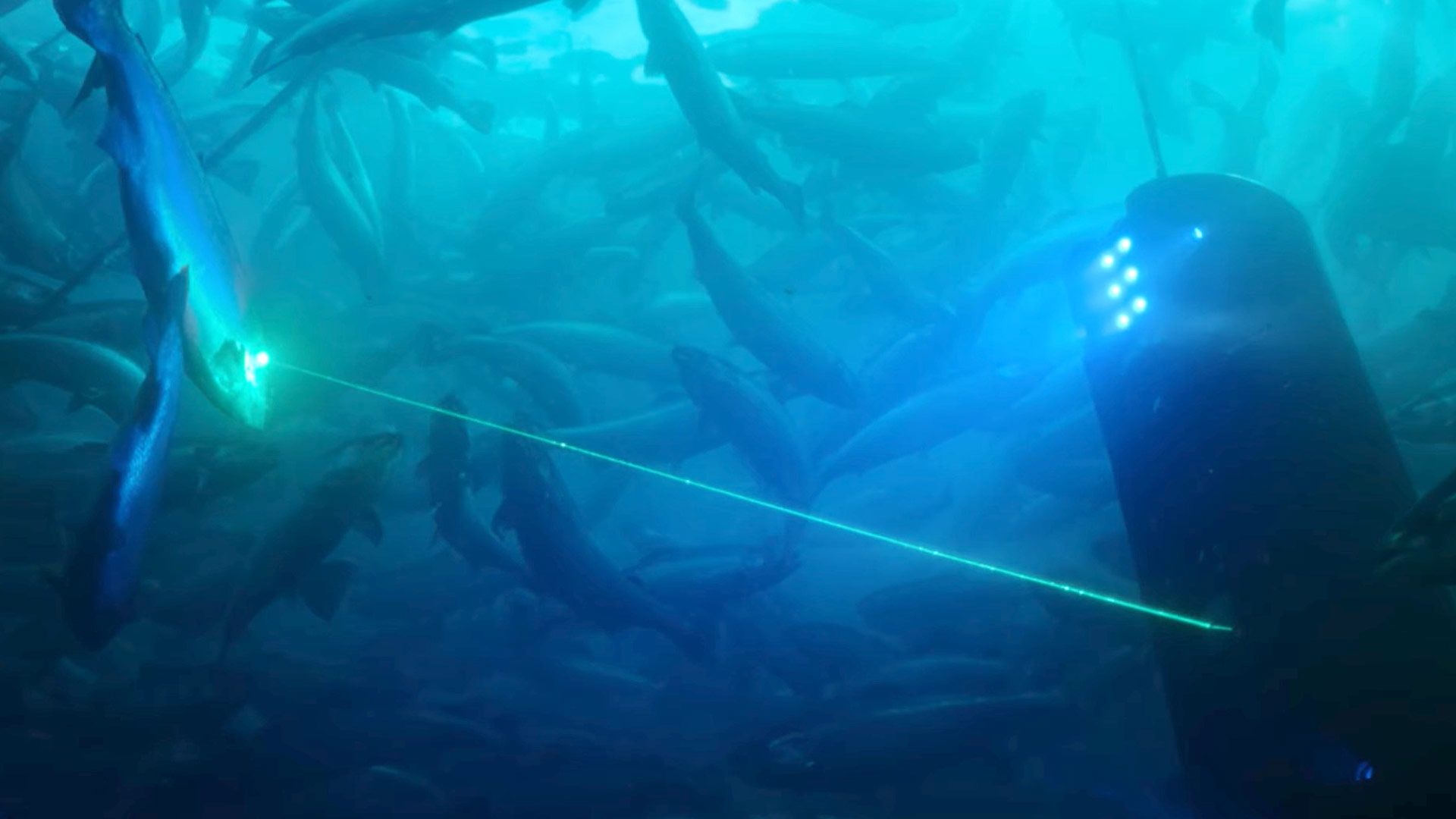
Submarine AI laser robots have been a surefire success for Norwegian salmon farmers, according to the most recent annual report from the aptly named Stingray Marine Solutions. The Oslo, Norway-based firm now has over 3,500 units deployed around salmon pens along the Norwegian coast, protecting over 112 million fish. Stingray deployments are up by about 1,000 over the last year. This operation has grown to become one of the largest commercial AI deployments in Scandinavia.
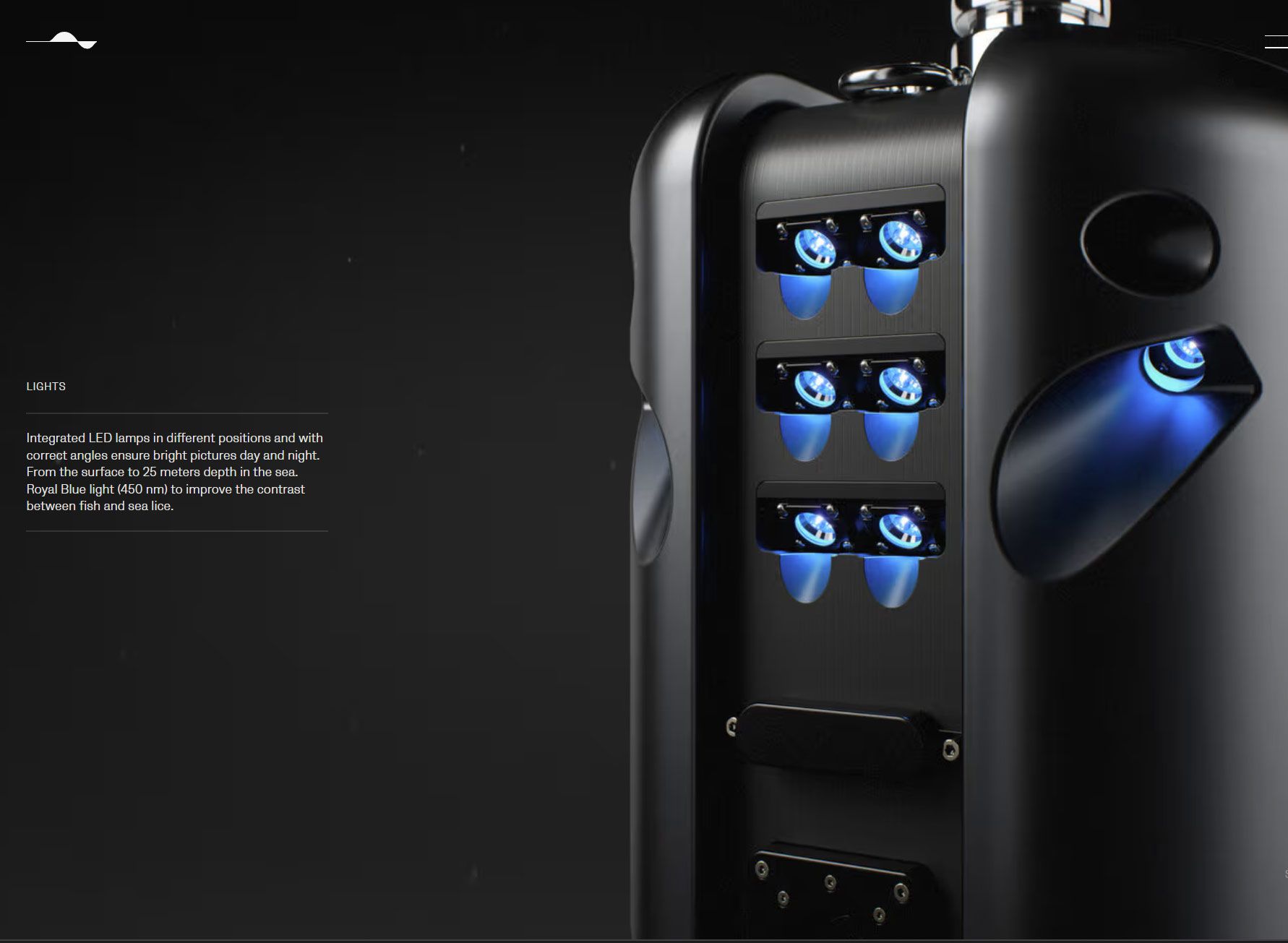
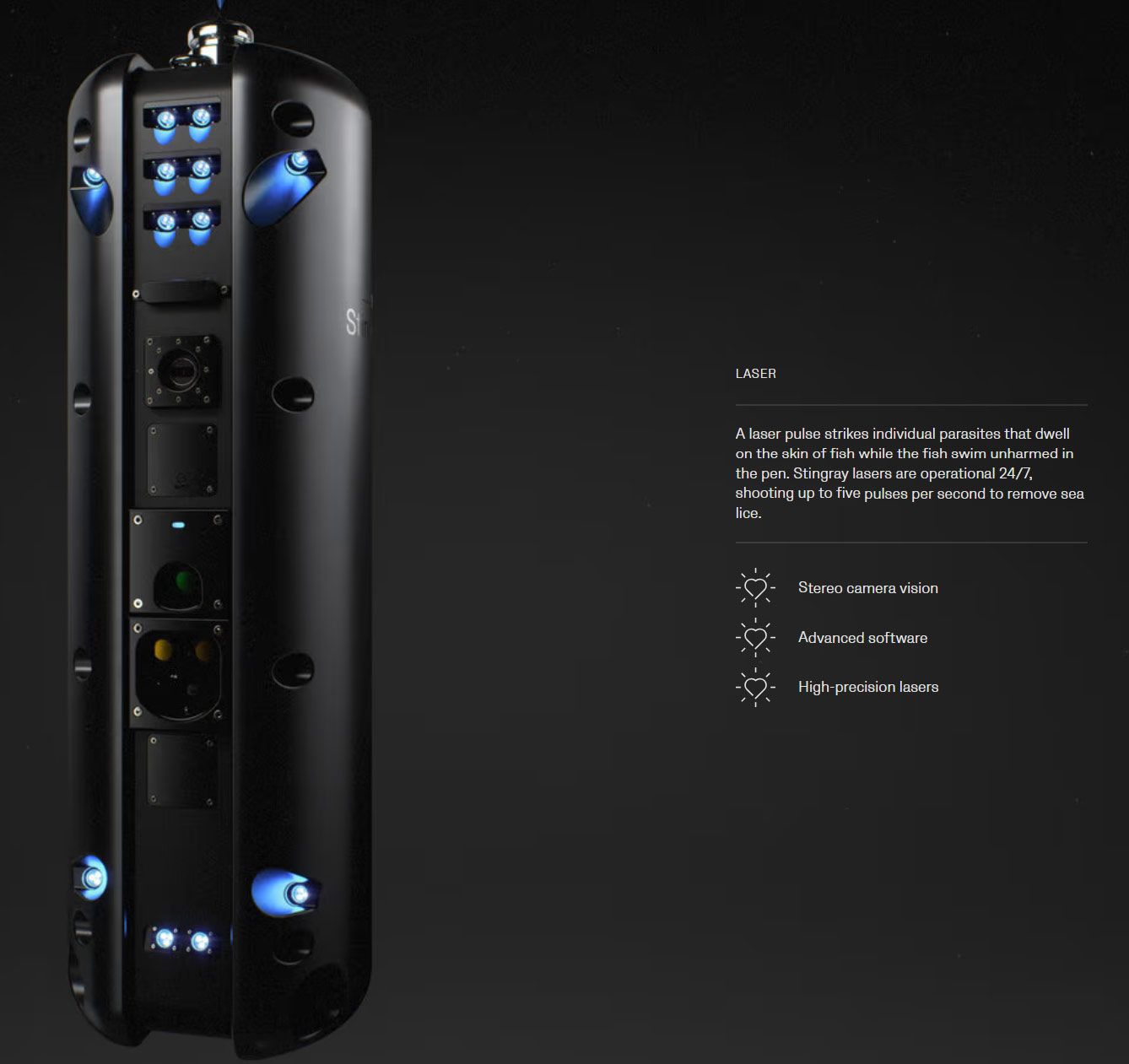
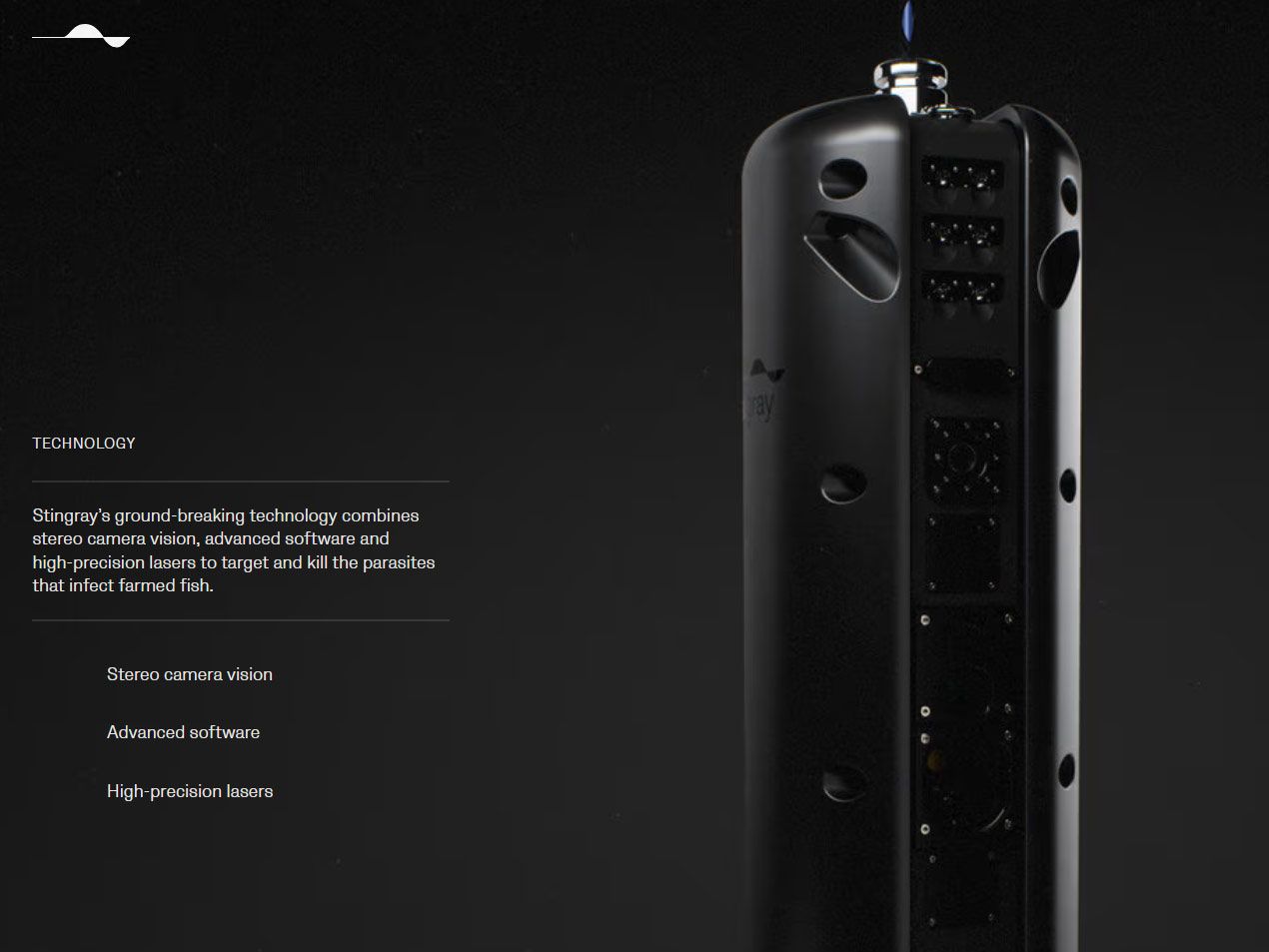
These high-tech AI-enhanced submarines protect 20-25% of farmed salmon in the country, according to the latest figures. Using this high-tech AI laser solution to ‘optically delouse’ the salmon means fish don’t have to be passed through harsh chemical baths to prevent infestations of these tiny parasitic crustaceans. The result is improved salmon growth and welfare, and consistently cleaner fish exhibit reduced mortality.
The video above shows a behind-the-scenes peek at the 250-employee-strong Stingray operation. There’s some colorful laser action with two Stingrays seen zapping away in a salmon pen included in the clip. They use AI to recognize and target the sea lice.
Sea lice are a big problem for fish farmers, with the control of these parasites being a central challenge for the industry. Traditionally, measures such as chemical treatments were used to help control the buildup of sea lice. However, while chemicals can treat a large number of fish simultaneously, they can be bad for the environment, can stress fish, lice can develop resistance, and the introduction of any kind of poison or toxin into food production isn’t usually good for humans either.
In contrast, the Stingray AI laser system identifies and targets only sea lice, works continuously 24/7 as the fish go around normally in their pens, and avoids any chemical introduction or resistance issues. The reduction in sea lice around the farming area is better for other wild fish populations nearby, too.
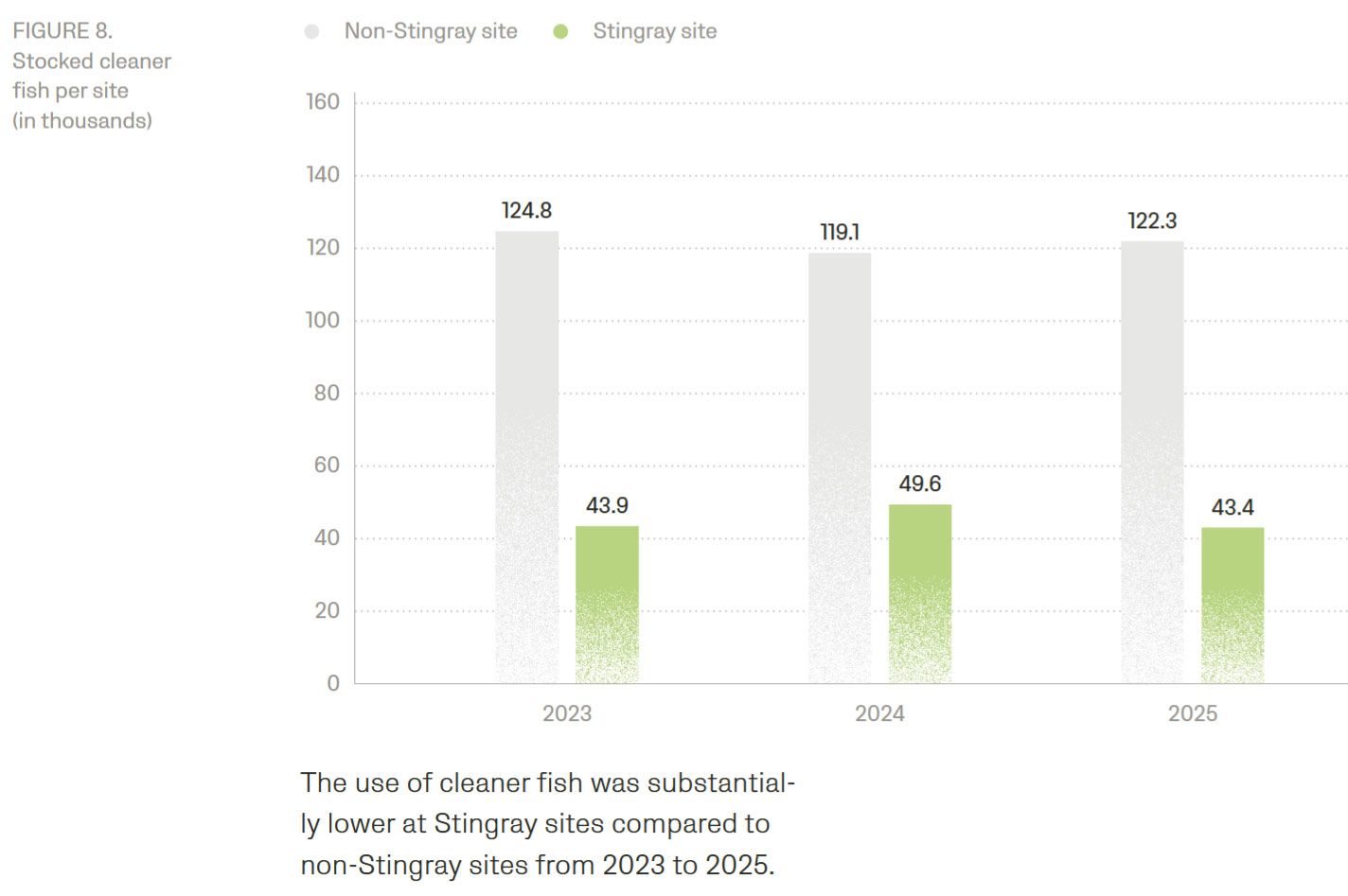
Solutions like Stingray do have a few drawbacks. Primarily, fish farming businesses might look sheepishly at the up-front costs of deployment. Moreover, it might be best used as a preventative measure, keeping localized lice populations low. The Stingray’s range is limited now by its deployment in the salmon pens, so lice can gather in darker, murkier corners and outside their patrol area.


