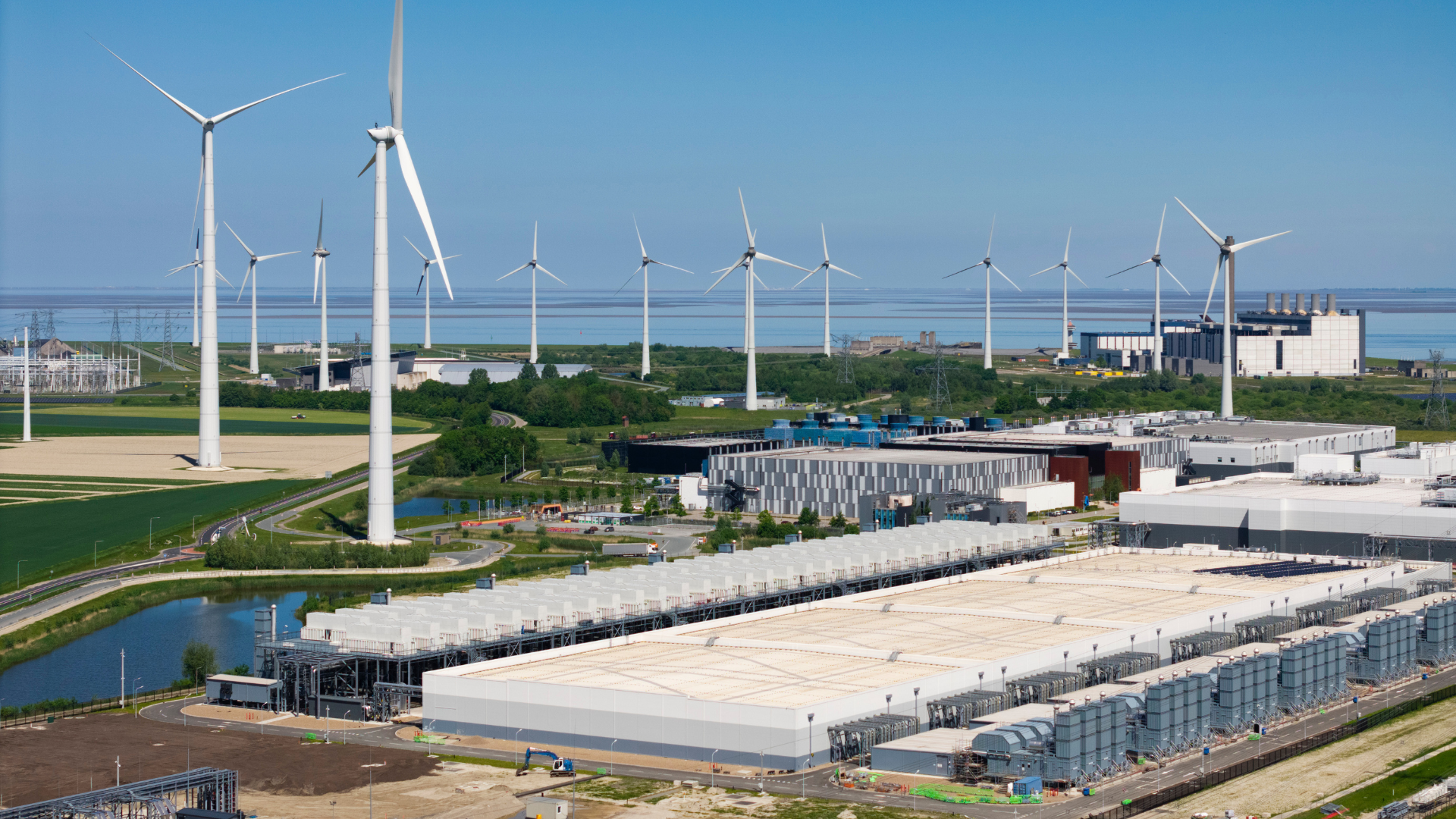
The AI data center build-out is pushing electricity grids across the globe, with many regions facing demand from projects that would exceed the current peak load that each system could support. According to the International Energy Agency’s (IEA) World Energy Outlook 2026 report, a total of 120GW of capacity is currently available across all types of data centers across the globe, with another 120GW expected to be completed by the end of the decade, 75% of which would be dedicated to artificial intelligence. Aside from that, it’s also tracking 93 large “AI factories” that are either under construction or being expanded via satellite imagery. It estimates that the capacity for these sites grew from under 2GW to 17GW in just two years, and that they’re expected to hit a total of 50GW upon completion, the equivalent of adding a second Great Britain to power demand.
- The data center cooling state of play
- The custom AI ASIC state of play
- America’s AI chip rules keep changing — and the rest of the world is paying the price
- GTC 2026: Ian Buck press Q&A transcript — VP of Hyperscale and HPC speaks out on shelving CPX and shipping LPU decode this year
- Demand for data center CPUs has surged, and AI agents are responsible
This massive power consumption is one of the reasons for the opposition against their construction in communities, with residents blaming them for increased utility prices. However, the IEA says that its analysis “does not yet show a clear relationship between growth in data center capacity and increases in electricity prices.” It noted that if a data center uses existing capacity and pays for its share of the cost, then it could potentially lead to lower utility bills for all customers. However, if the grid operator is required to upgrade its system to accommodate the large consumer, then it could also lead to increased monthly bills if the costs are spread across all users.
Emissions are another issue that the IEA has raised. Renewable energy dominates data centers’ power purchase agreements at nearly 50%, but actual power generation puts coal- and natural-gas power sources closer to 60%. This is likely due to the need for reliability, with the latter kicking in when the former cannot deliver the power that the data center needs. Aside from that, a few projects are deploying their own power, like Elon Musk’s Colossus 2 in Southaven, Mississippi, with about 180GW planned or under construction in the U.S. So, even though renewable energy is growing to accommodate demand, it’s also expected that coal- and natural-gas emissions from data centers will rise by 70% by 2030.
Investments in AI data centers are expected to hit $32 trillion by 2050, putting the infrastructure spending for the industry larger than railways, electrification, and the internet, combined. Despite that, the IEA says the grid remains a significant bottleneck — renewable power plants take between one and five years to complete, which is around the same time that some massive data center projects take if they do not face an extended moratorium, while transmission works can take three to five times longer. This is probably one of the reasons why some AI hyperscalers are choosing to put jet engines on their sites instead, although these are also facing shortages, especially in turbine blades.