AI & ML
A Novel BVH-accelerated Dynamic Ray-Tracing Channel Model for Vehicular Communication Systems
arXiv eess.SP0 views
arXiv:2611.07311v1 Announce Type: new Abstract: Accurate and efficient channel modeling is critical for evaluating the sixth-generation (6G) networks, while dynamic ray-tracing (DRT) remains bottlenecked by its reliance on channel coherence time. To address this limitation, this paper proposes a novel bounding volume hierarchy-accelerated DRT (BVH-DRT), which introduces a mechanism shift from a time-driven update in DRT to a spatial-driven update. The proposed channel model clusters complex scatterers using the BVH method as pre-processing to establish a geometric coherence distance guided by transceiver kinematics, so that the ray update intervals in BVH-DRT can be autonomously adjusted to reduce the complexity. Furthermore, the non-stationary channel impulse responses are generated to evaluate delay-Doppler (DD) domain waveforms, including orthogonal time frequency space (OTFS) and orthogonal delay-Doppler division multiplexing (ODDM). Validations in vehicle-to-vehicle (V2V) scenarios demonstrate that BVH-DRT achieves spatial-temporal consistency with measurements and commercial software while significantly enhancing computational efficiency. Additionally, bit error rate (BER) evaluation highlights the severe impact of high-dynamic channels on waveform performance. The proposed framework is important for designing reliable communications and robust sensing in 6G networks.
Source:https://arxiv.org/abs/2611.07311PreviousFew-Shot Beam Selection for Embodied AI via In-Context Learning and Conformal PredictionNextSharp Minimum-Rate Guarantees for Power-Based Discrete RIS Design
Related posts

Why Europe's Freezer Hacks Spread So Far, So Fast
0Dark Reading
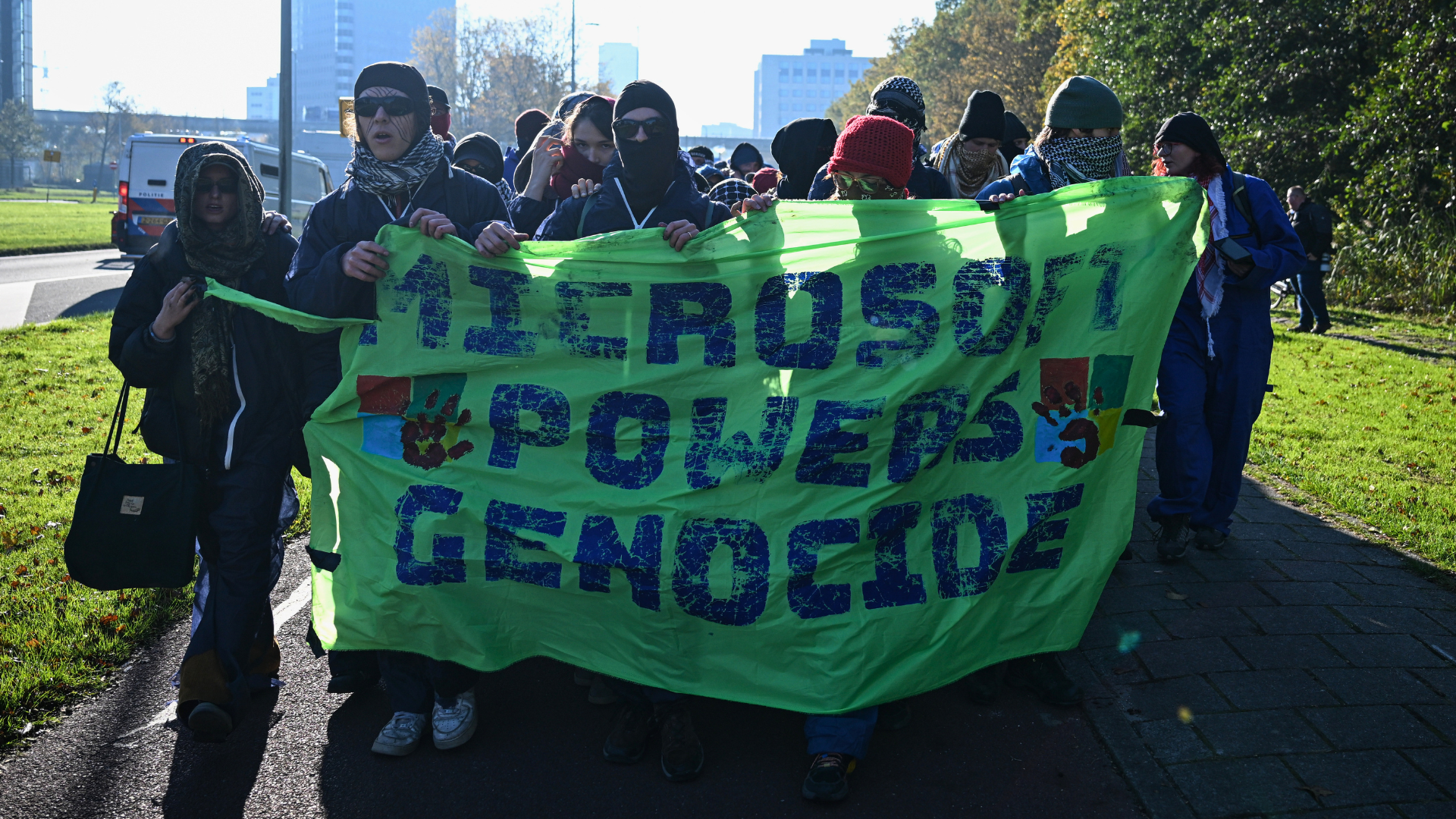
Protesters storm Microsoft AI data center construction site
0Tom's Hardware

The Download: a humanoid cleans house and Samsung builds for the AI boom
0MIT Technology Review

How Remedy designed Control Resonant’s wildest mission: ‘Anything kind of goes’
0The Verge

Four prompts that make AI images look like real photos (tested on Nano Banana and GPT Image)
0dev.to
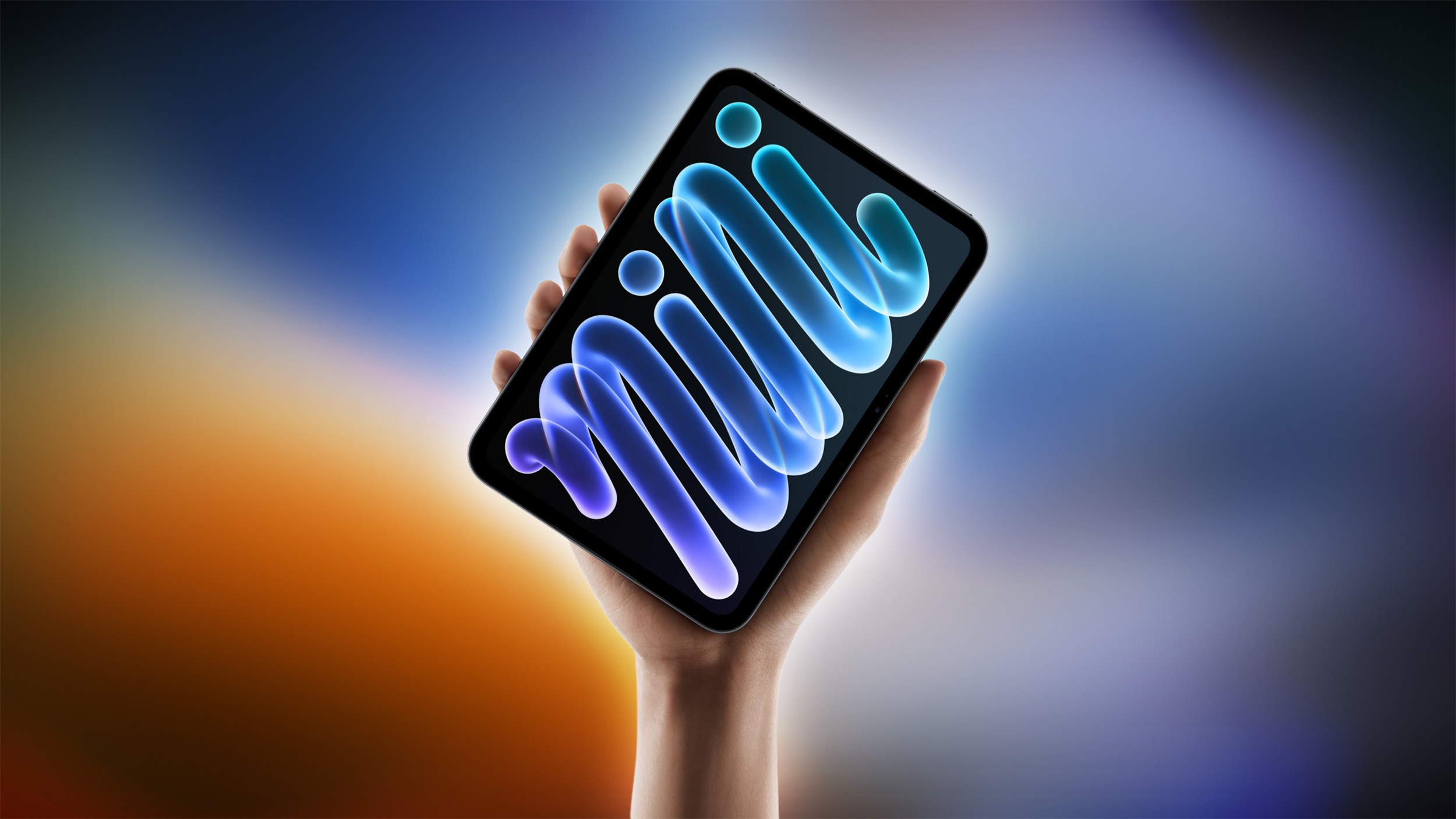
OLED iPad Mini, M6 iMac, and New MacBook Pros Available From Today
0MacRumors