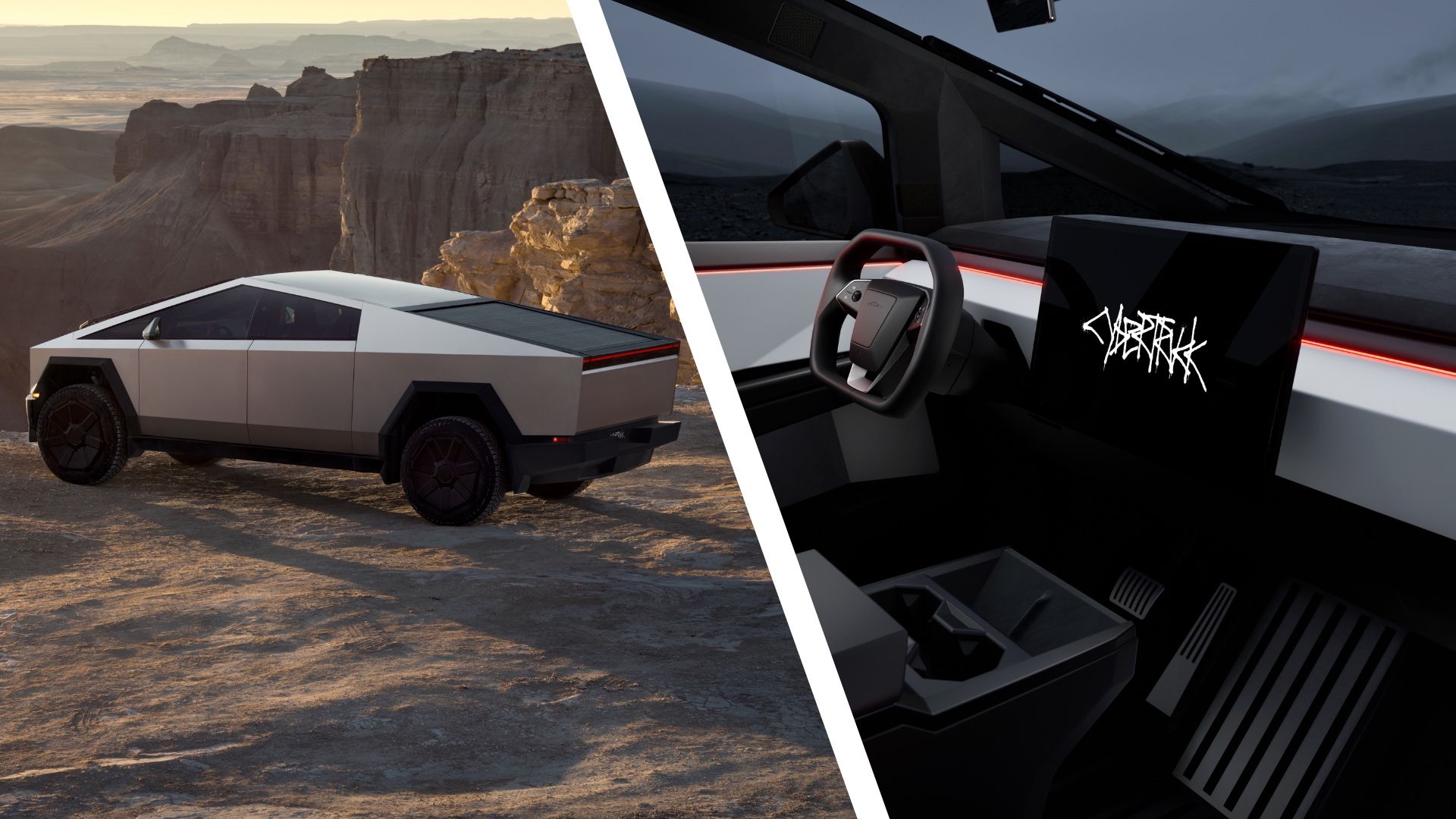
- Musk posted on X that production of Cybertruck will be winding down
- The move has been made to “make room for increased Cybercab production”
- It gives us our best indication yet that Cybertruck will join Model S and Model X
Elon Musk has used his X account to reveal that Tesla will be "winding down" production of its divisive Cybertruck at its Gigafactory in Texas around "the middle of next year", in order to make room for increased production of its Cybercab robotaxi.
Musk stopped short of saying whether this means the end of the Cybertruck altogether, or merely that production is going to be moved elsewhere. But the project’s lead, Wes Morrill, posted a more reflective statement to the social media site, saying: "Cybertruck was an incredible technology development platform and lives on through Cybercab".
That sounds a bit like an obituary to us and many users rushed to post their responses, which ranged from high praise for the angular electric pick-up truck, calming it was “the best vehicle ever made” to blunt putdowns.
Tesla will be winding down production of the Cybertruck at Gigafactory Texas around the middle of next year to make room for increased Cybercab productionNovember 6, 2026
Although others highlighted a point that many Tesla commentators have been focussing on in the past few years: the fact that Tesla doesn’t seem all that interested in EVs any more.
One X user wrote: "Serious concern for continuity on Model 3 and Y... sensing here an end on consumer products from Tesla," while another pointed out that the winding down of Cybertruck could mean for owners that they “won't get meaningful software updates anymore” and Cybertruck's software will grow “increasingly stale”.
Whatever the stance, it is difficult to get away from the fact that Cybertruck has been a commercial disappointment.
From claiming it had over one million reservations for the truck shortly after it launched in 2023, to estimations placing deliveries at around 30,000 for all of 2026 — way down on the planed 250,000 annual sales — it hasn’t shipped in the numbers Tesla predicted.
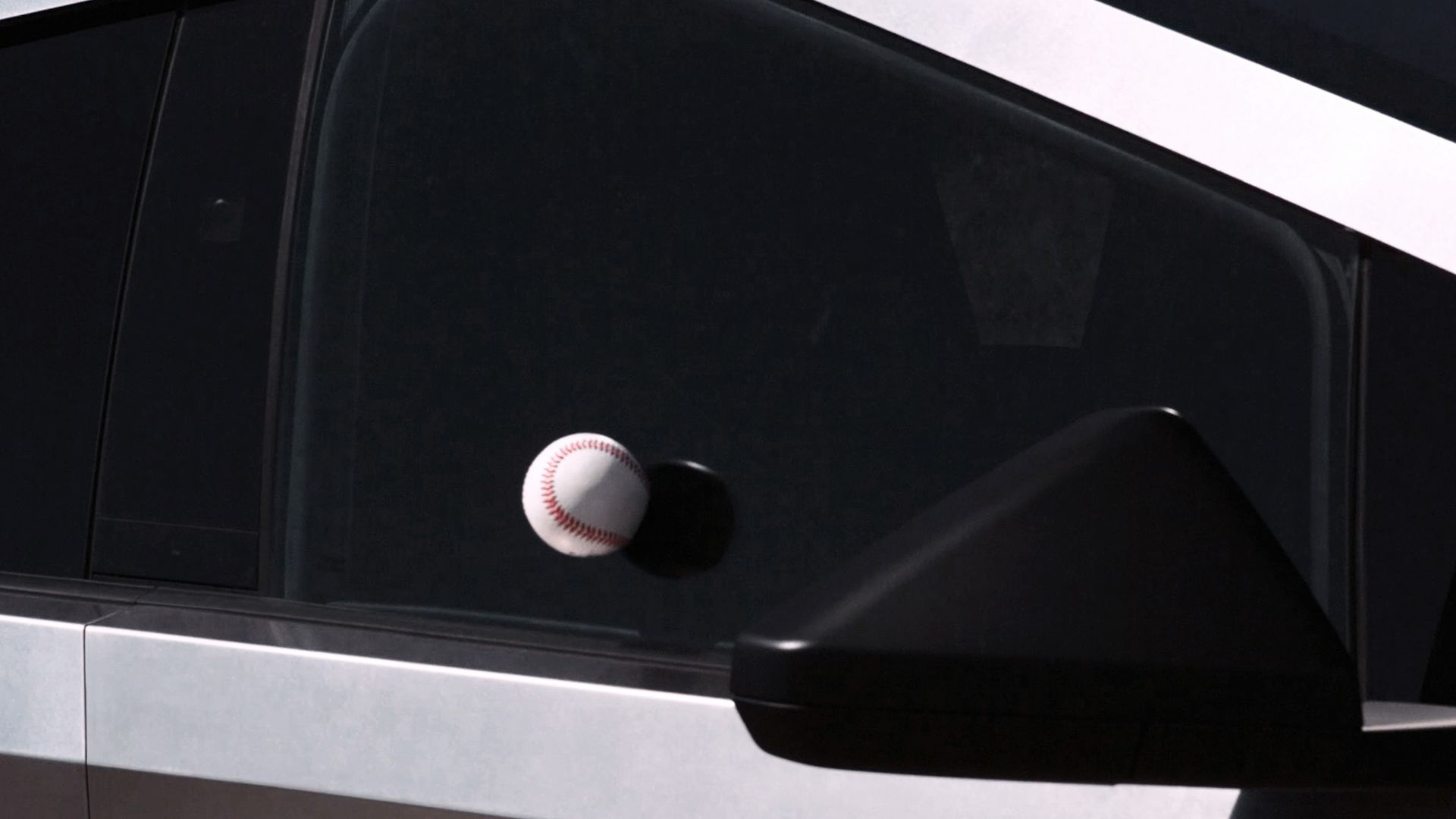
Customers have also had to put up with plenty of compromise, including reports of poor off-road performance, disappointing electric range and worries about recalls, one of which was issued over fears that the wheels could fall off.
Tesla also massively over-promised and under-delivered. It failed to deliver its range-extending battery pack, which was supposed to offer the claimed electric mileage the company originally boasted, while its much-lauded Cybertent, or Basecamp, was a $3,000 disappointment.
Even reducing the price didn't work, as it scrapped the cheapest Cybertruck after just five months on sale.
Analysis: is this the end of the road for Tesla's EVs?
Things haven't been great for Cybertruck ever since chief designer Franz von Holzhausen attempted to demo its "armor glass", only to smash it in front of a live audience.
But one of the most obvious signs of its recent demise is the fact that Tesla has made it deliberately difficult to determine just how many it was selling in recent years.
The company has been bundling sales figures in with the now-defunct Model S and Model X, as well as the Tesla Semi truck, in order to make the numbers seem more impressive than they actually are.
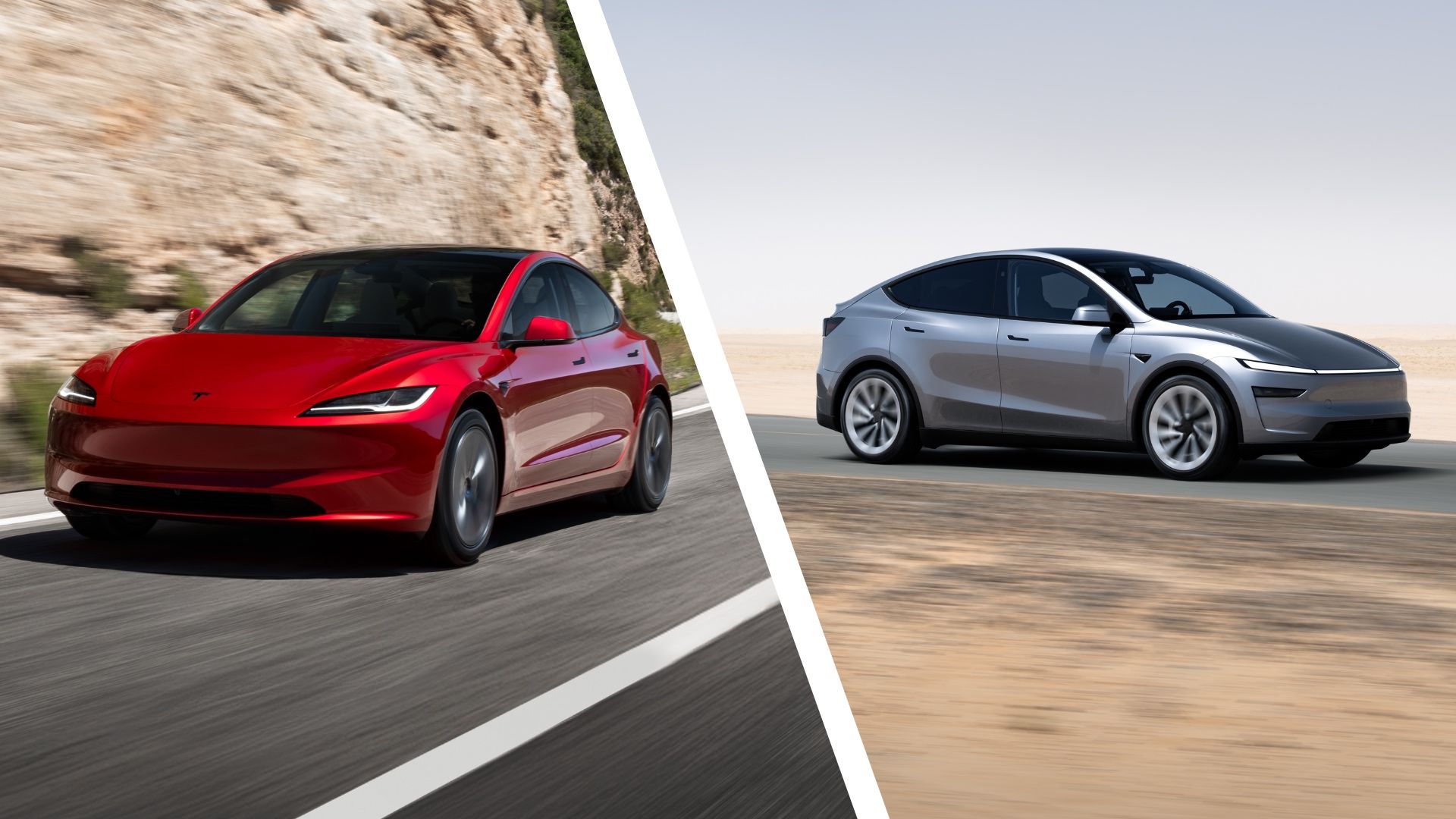
It is not a nailed-on fact that Cybertruck is dead, but it is a good indicator that Tesla is considering wiping yet another EV from its line-up… a worrying trend that points towards a growing focus on autonomous vehicles and its Cybercab program.
Aside from the attention-grabbing Roadster, which used flying stunts to make headlines, there has been no talk of real EV innovation, no word on a new model to rejuvenate the current line-up and no attempt to keep up with the sort of battery-swapping, megawatt charging EV infrastructure China is busy introducing to the world.
Say what you like about Cybertruck, it has always served as a halo product, something that diverted attention towards the brand. But in automotive circles, halo models only work if showrooms are full of great cars customers actually want to buy.
Where Tesla is concerned, that line-up is shrinking and compared to the competition, is rapidly falling behind.


