AI & ML
From Choirs to Solos: Reducing Multi-Cell Cooperation via Pinching Antennas
arXiv eess.SP0 views
arXiv:2611.07901v1 Announce Type: new Abstract: This article investigates the potential of the pinching-antenna system (PASS) to reduce multi-cell cooperation requirements. Flexible pinching-antenna (PA) placement can enhance desired channel gains and reduce the required transmit power, which consequently alleviates inter-cell interference and the need for cooperative transmission. A two-cell PASS is considered, where the cooperation cost is quantified by the number of additional base station-user data associations. The cooperation cost is minimized subject to user signal-to-interference-plus-noise ratio requirements and individual transmit-power constraints. Joint PA placement and transmission designs are developed using alternating optimization and second-order cone programming, while low-complexity zero-forcing-based alternatives are also proposed. Numerical results demonstrate that PASS substantially reduces cooperation requirements compared with the conventional fixed-antenna system. These findings highlight the potential of PASS to transform cooperative multi-cell ``\emph{choirs}'' into independent ``\emph{solos}''.
Source:https://arxiv.org/abs/2611.07901PreviousSparse Bayesian Sensing for Antenna Arrays with Per-Element Gain, Phase, and Position ErrorsNextSpatial Reuse in Multi-Cell Pinching-Antenna Systems
Related posts

I’ve reviewed almost every Android foldable this year — here’s how the iPhone Duo compares
0The Verge

Physicl raises $10M to make the digital world real enough for robots
0TechCrunch

Kubernetes, mark II? Why Google’s giving away gVisor, a code sandbox used by Anthropic and OpenAI
0The New Stack

AI helps find better recipes for 3D-printing titanium parts
0Phys.org Tech

Newly-developed paint could keep your home cooler and lower energy bills
0Phys.org Tech
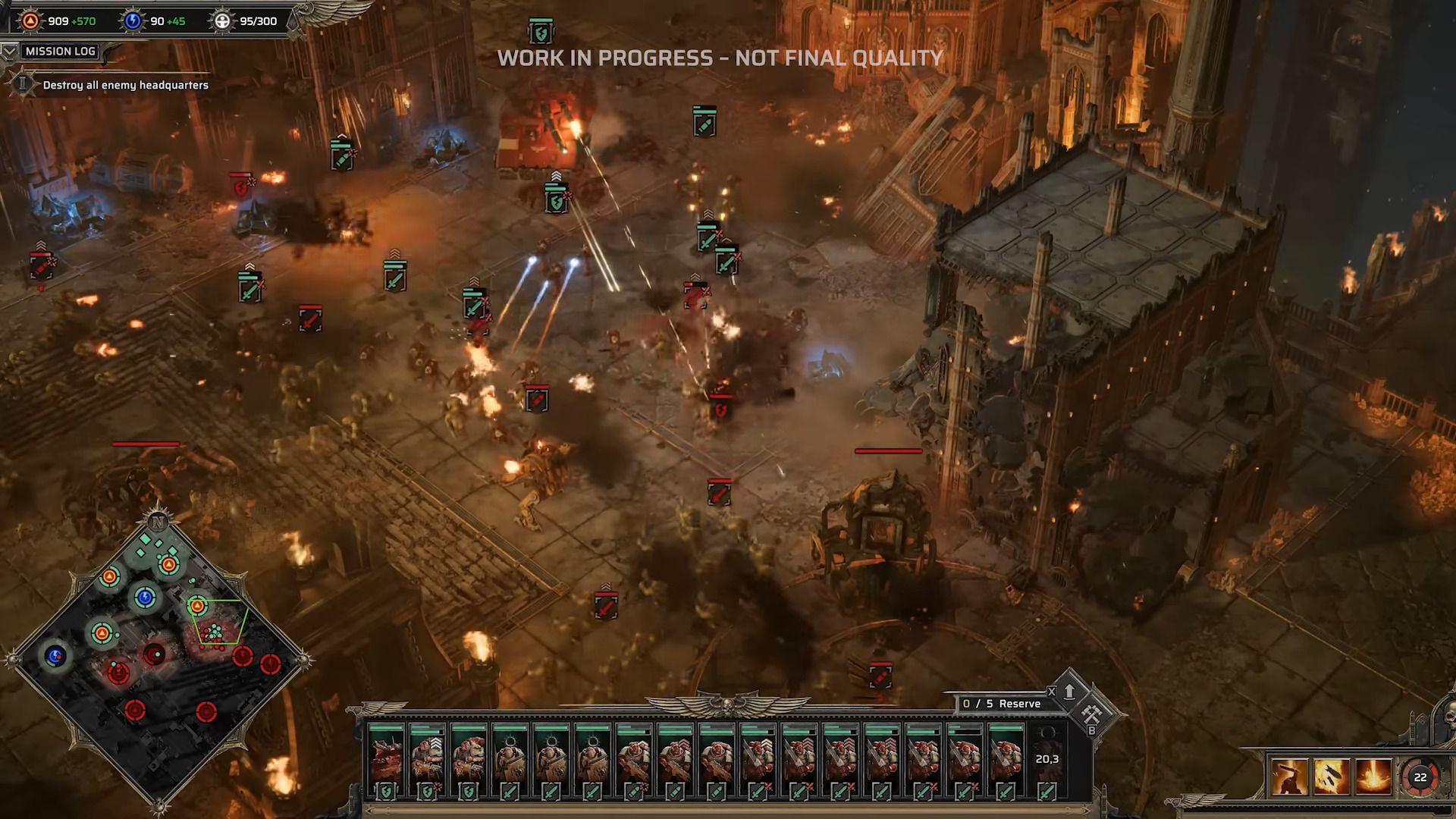
Warhammer 40,000: Dawn of War 4 creative director explains how core 40K tabletop features like ‘Armor of Contempt’ were adapted to the RTS — ‘It’s not the same mechanic, but it does kind of the same t
0TechRadar