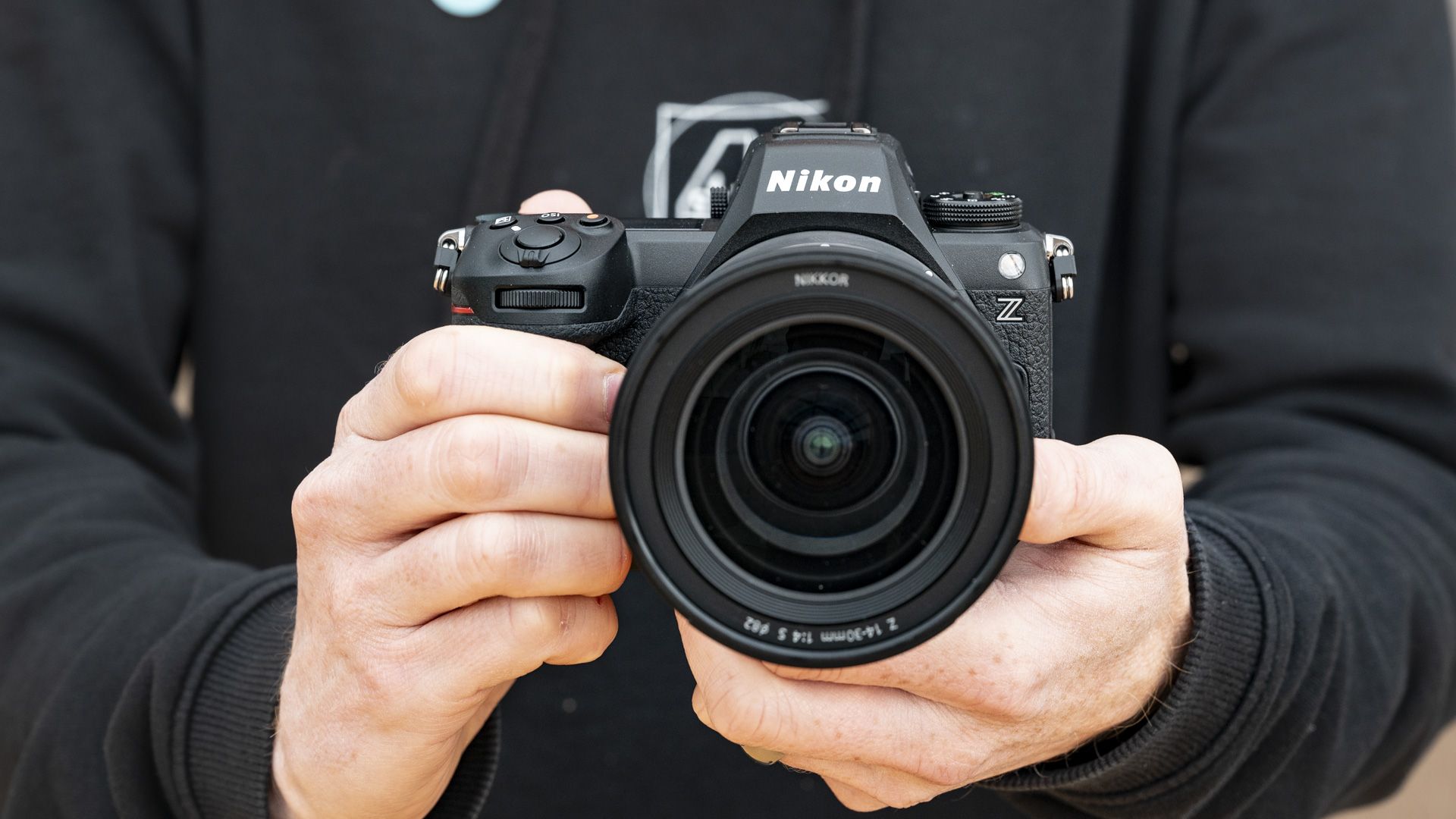
Fierce competition defines today's camera market, and the Sony A7 V sits right at the top. Its snappy autofocus, fast frame rates, and intuitive handling make it a phenomenal all-rounder, though your ideal camera will always depend on your specific shooting style and budget.
To cover every base, we haven't limited this guide to mirrorless models. You'll find recommendations for every experience level, from approachable entry-level picks like the Canon EOS R10 to stand out compacts and DSLRs. Whittling our shortlist down to a handful of select entries was tough, so we've also included several worthy runners-up at the end.
With 15 years of experience testing virtually every major release on the market, the TechRadar team puts each camera through extensive field testing before it makes the cut. No matter which option you pick, you can count on capturing phenomenal stills.
Why you can trust our judgement
Every camera that we've included in this guide has been thoroughly tested by our team of expert reviewers – do check out the Meet the team section below for the low-down on each person, because they are a fab and knowledgeable bunch. We've set a testing standard for the team, too, so you can rest assured that our review process is fair regardless of who is taking the lead.
☑️ 100s of cameras reviewed
☑️ 15 years of product testing
☑️ Over 16,000 products reviewed in total
☑️ Nearly 200,000 hours testing tech
We test every camera in genuine shooting scenarios, focusing on how well it performs for stills photography. We look deeper than just image quality, assessing factors such as handling, autofocus performance, and battery life. We also look at how well each camera adapts to different styles, including portraits, landscapes, and street scenes.
Then, we factor in long-term usability and value for money. Whether you're buying your first mirrorless camera or upgrading to a full-frame powerhouse, the models we recommend have all proven themselves in the field. Our review scores are based on the independent, first-hand experience of our testers. The aim is always to give a clear and honest picture, giving you the relevant information to make an informed choice.
Our recommendations are all based on first-hand feedback. We also compare each camera against its competitors in the same price bracket to help you find the most capable photography tool for your needs and budget. Whether you’re just beginning your camera journey or are a veteran photographer, the models in this guide have all earned their place.
Black Friday 2026
Black Friday discounts are already rolling in thick and fast – and they'll peak on November 26 through to November 29. So, if you've been considering an upgrade or want to take your first steps into the world of photography, now's the best (and most budget-friendly) time.
We expect the seasonal sales to continue into December, too, though they might not be as showstopping. Check out the widgets in our shortlist to find the biggest and best savings on today's best cameras.
The best full frame hybrid overall
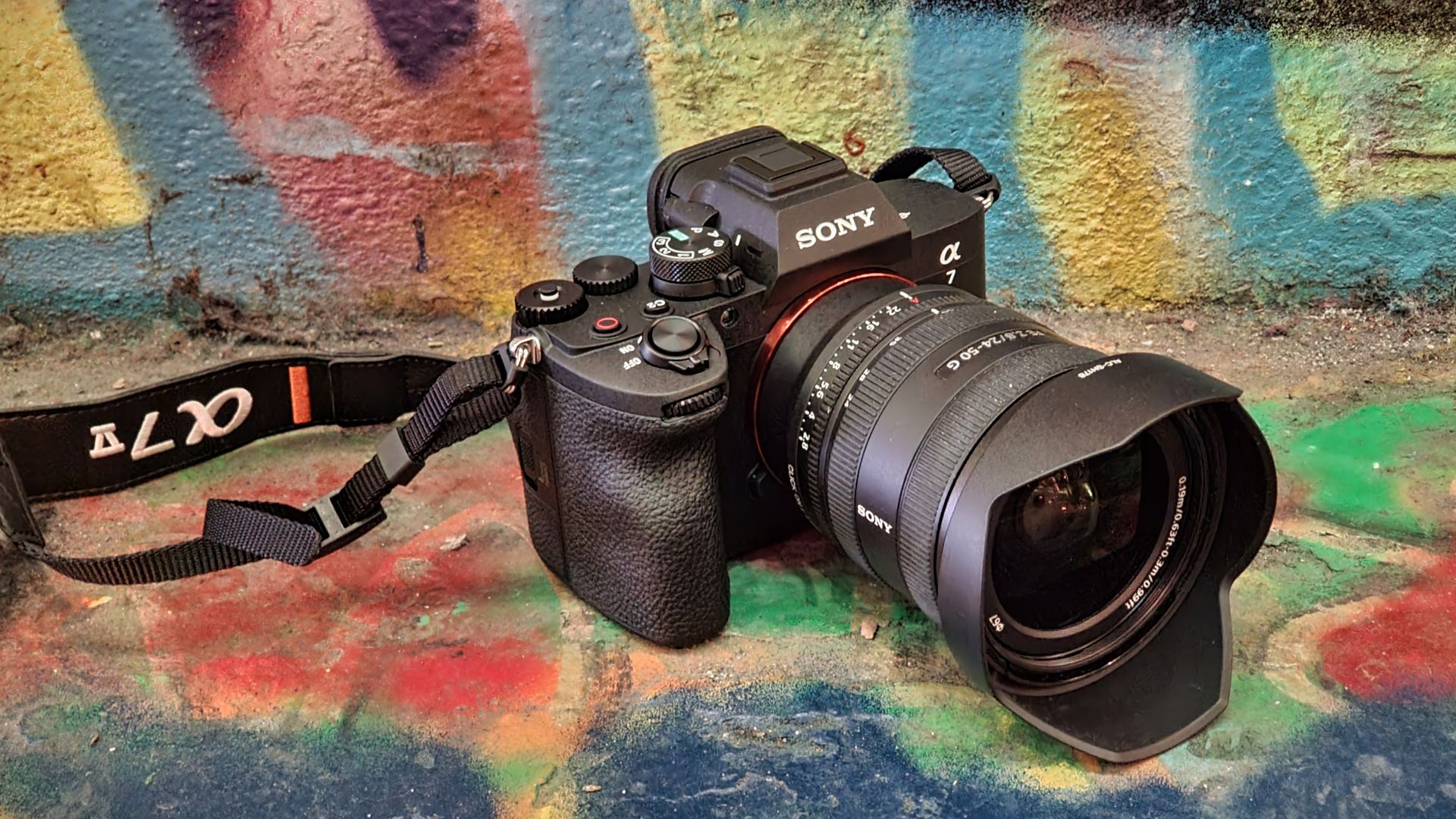
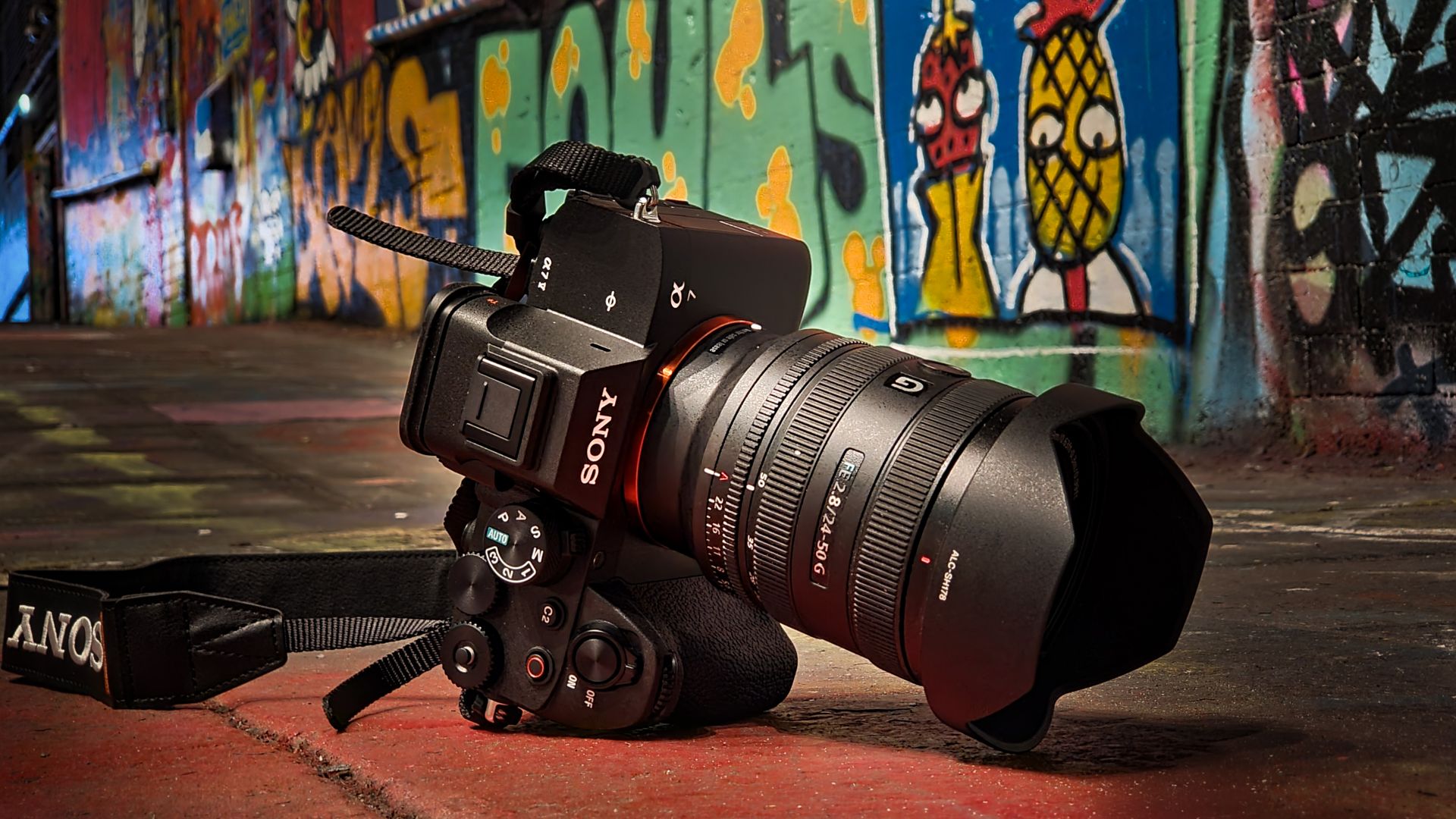
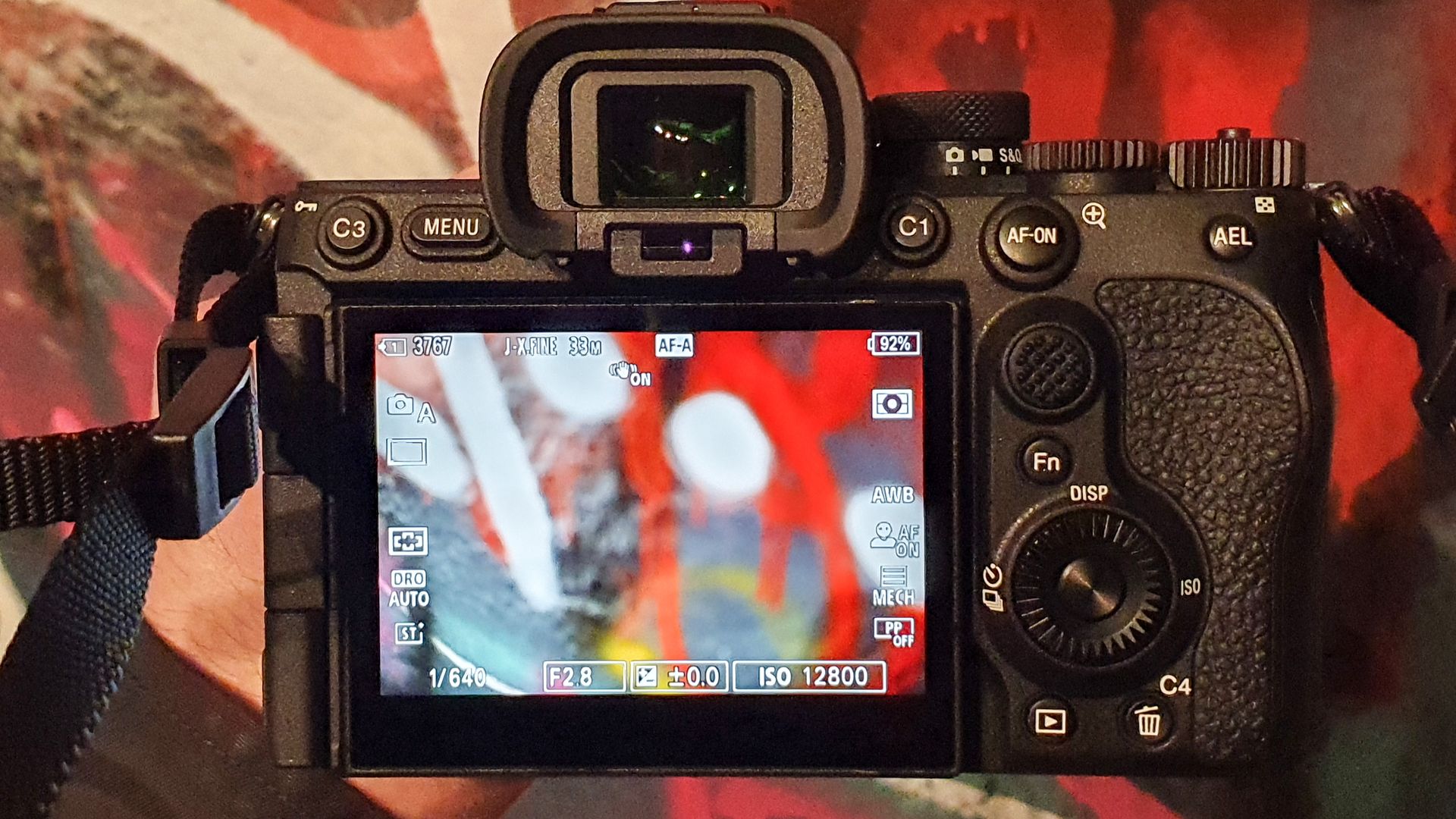
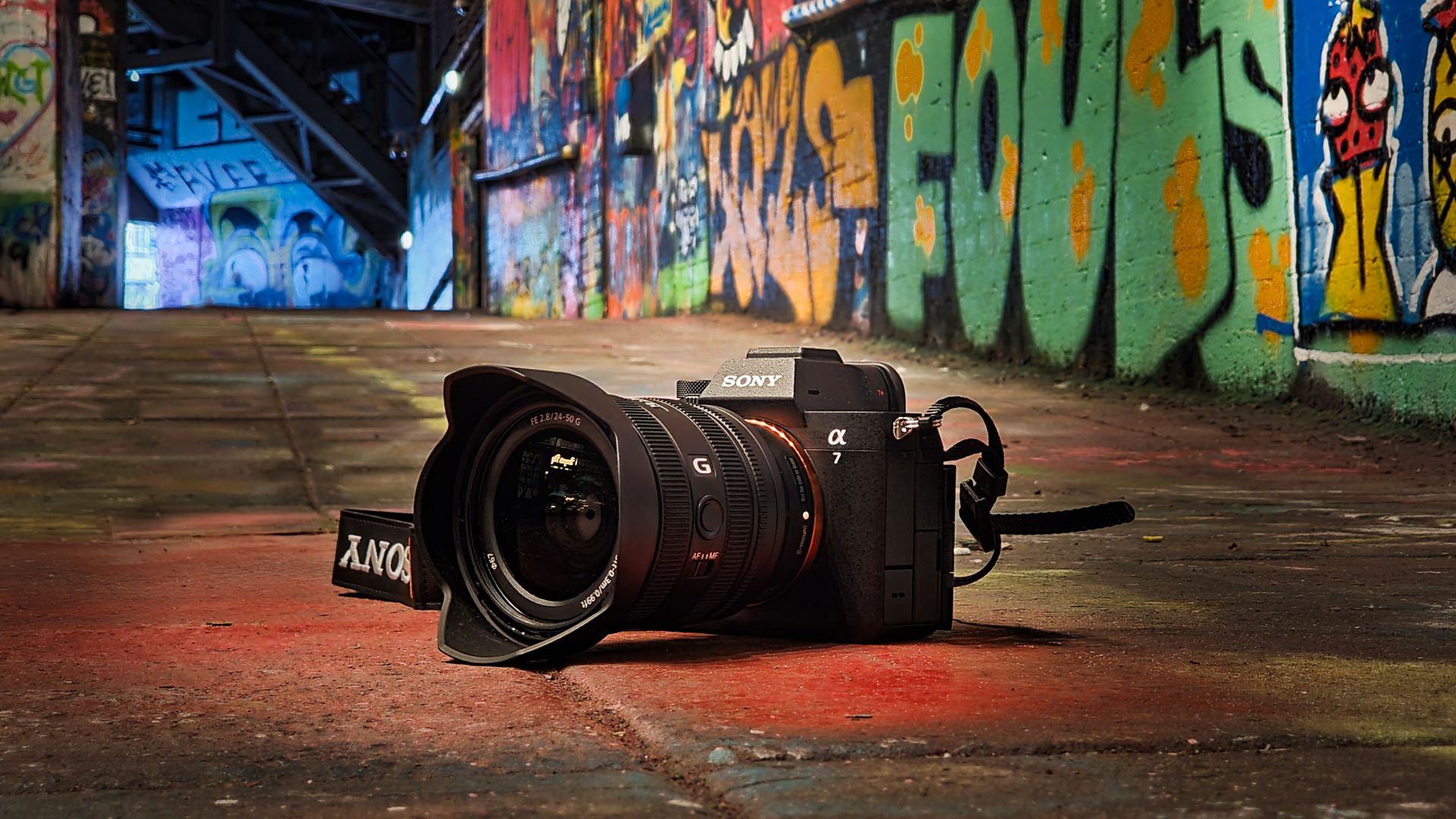
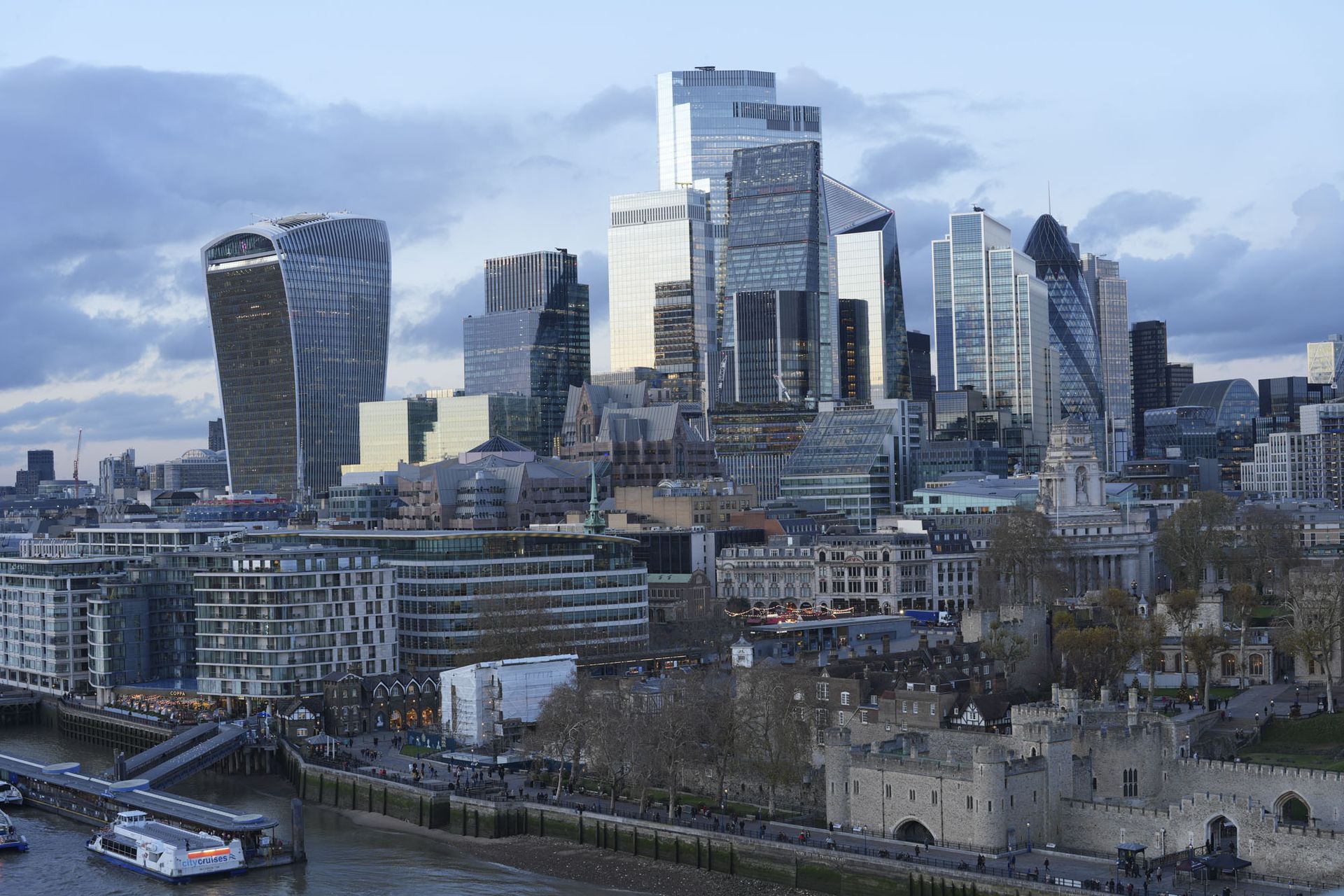
Sony A7 V sample images

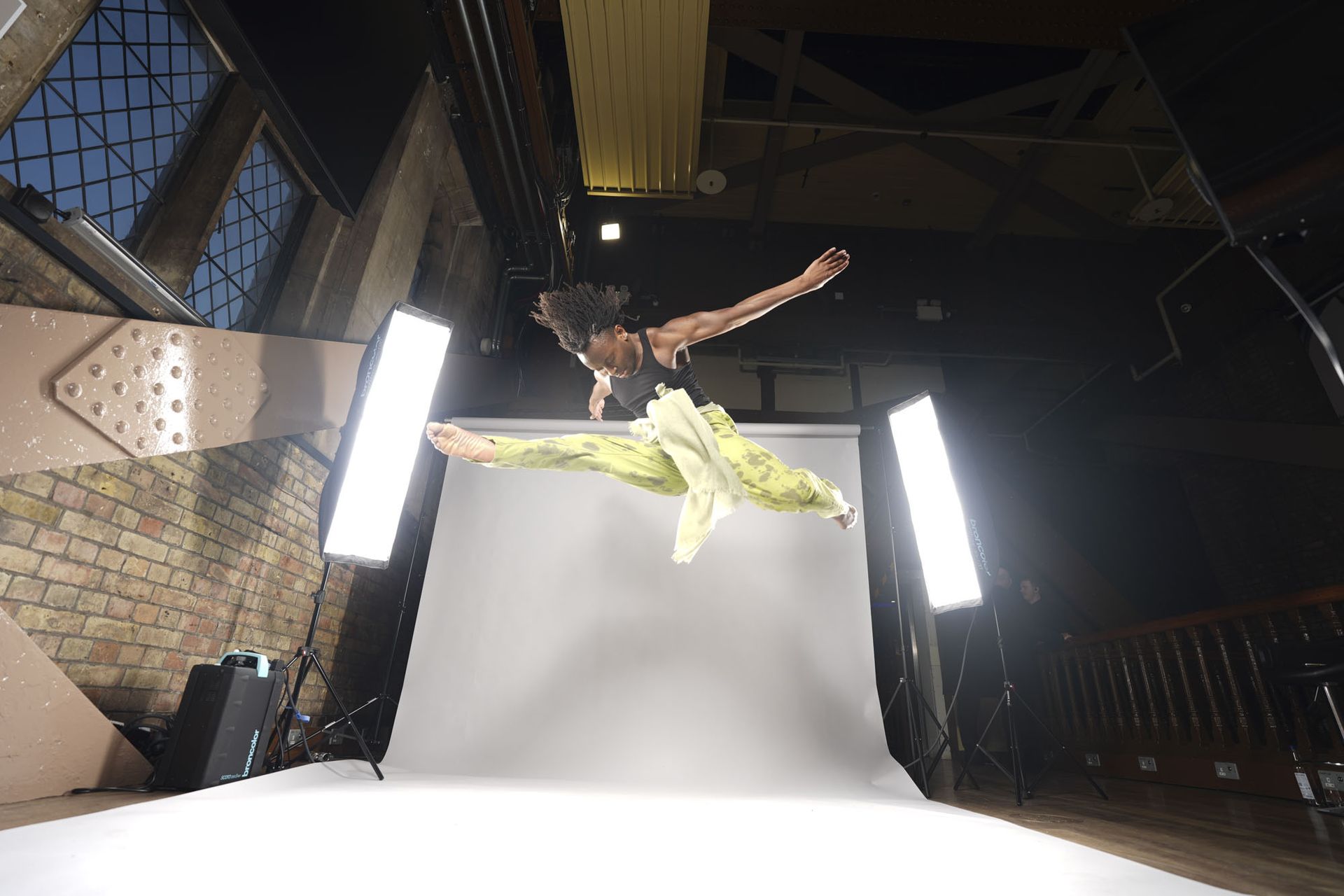


✅ You photograph still and moving subjects: The Sony A7 V utilizes superb subject detection autofocus and high-speed frame rates, meaning it can handle a wide range of subjects.
✅ You want stellar battery life: The A7 V outshines rivals with class-leading battery life.
❌ You want high-resolution video: Despite more pixels than the Nikon Z6 III, the A7 V only shoots 4K video, while the Canon EOS R6 III shoots open gate and the A7 V does not.
❌ You don't need the speed: The slower and older A7 IV has the same 33MP resolution and costs much less, so it could be a good alternative if you're a simple stills shooter.
Things got seriously interesting as the sun set for 2025, with Canon and Sony announcing their mid-range full-frame cameras to take on Nikon. And it's the Sony model, the A7 V, that has taken Nikon's crown in this stills-focused guide, supplanting the Z6 III thanks to its higher resolution 33MP stills with what Sony says is an incredible 16EV dynamic range.
Like the Nikon model, it also has a partially stacked sensor for higher readout speeds than its predecessor, making it an all-round speedier performer, with continuous shooting up to 30fps. Autofocus performance has seen a boost, too. In fact, Sony has rolled its AI autofocus chip and processor into one all-new chip for its slickest performance yet, which also results in the best battery life, easily beating rivals.
True, the EVF feels a little dated, but the upgraded 3.2-inch vari-angle screen with 2.1m-dot resolution is lovely. And Sony has doubled down on 4K video quality here rather than matching Canon's 7K (with open gate recording) and Nikon's 6K. It really is a fascinating match-up between the Sony A7 V, Canon EOS R6 III, and Nikon Z6 III, the latter of which is older and now costs much less. But, overall, for stills-focused shooters, the A7 V has the edge. It continually surprised us with its speed and quality.
Read our in-depth Sony A7 V review
Top alternatives...
- Canon EOS R6 Mark III – The closest rival to the A7 V with a similar feature set; on paper, Sony wins with its partially stacked and better dynamic range, but the EOS R6 III shoots 7K open-gate video.
- Nikon Z6 III – the Z6 III is a superb all-rounder with lower-resolution 24MP stills, highly detailed 6K video, and a much lower price tag.
The best mirrorless camera for beginners
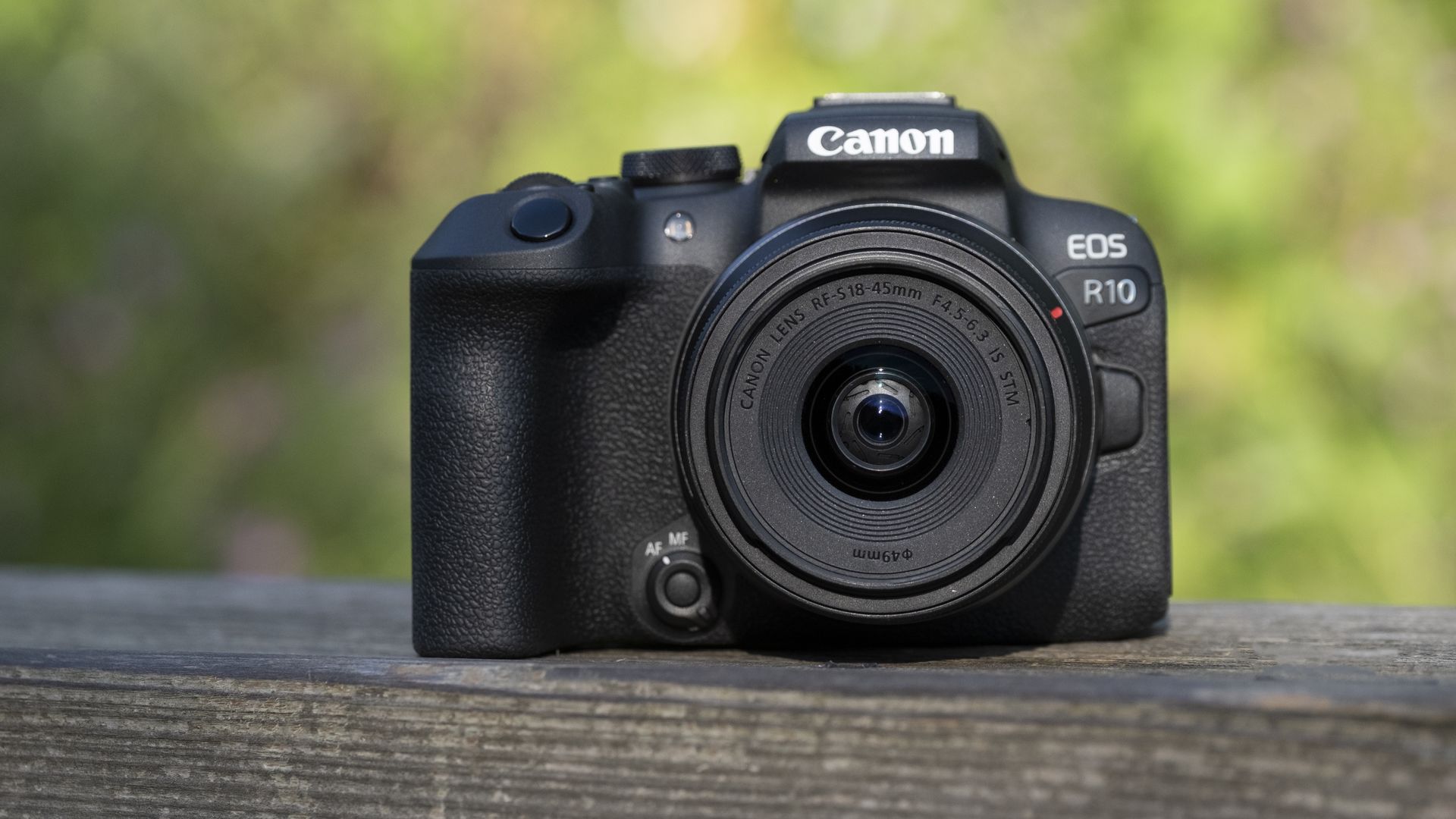
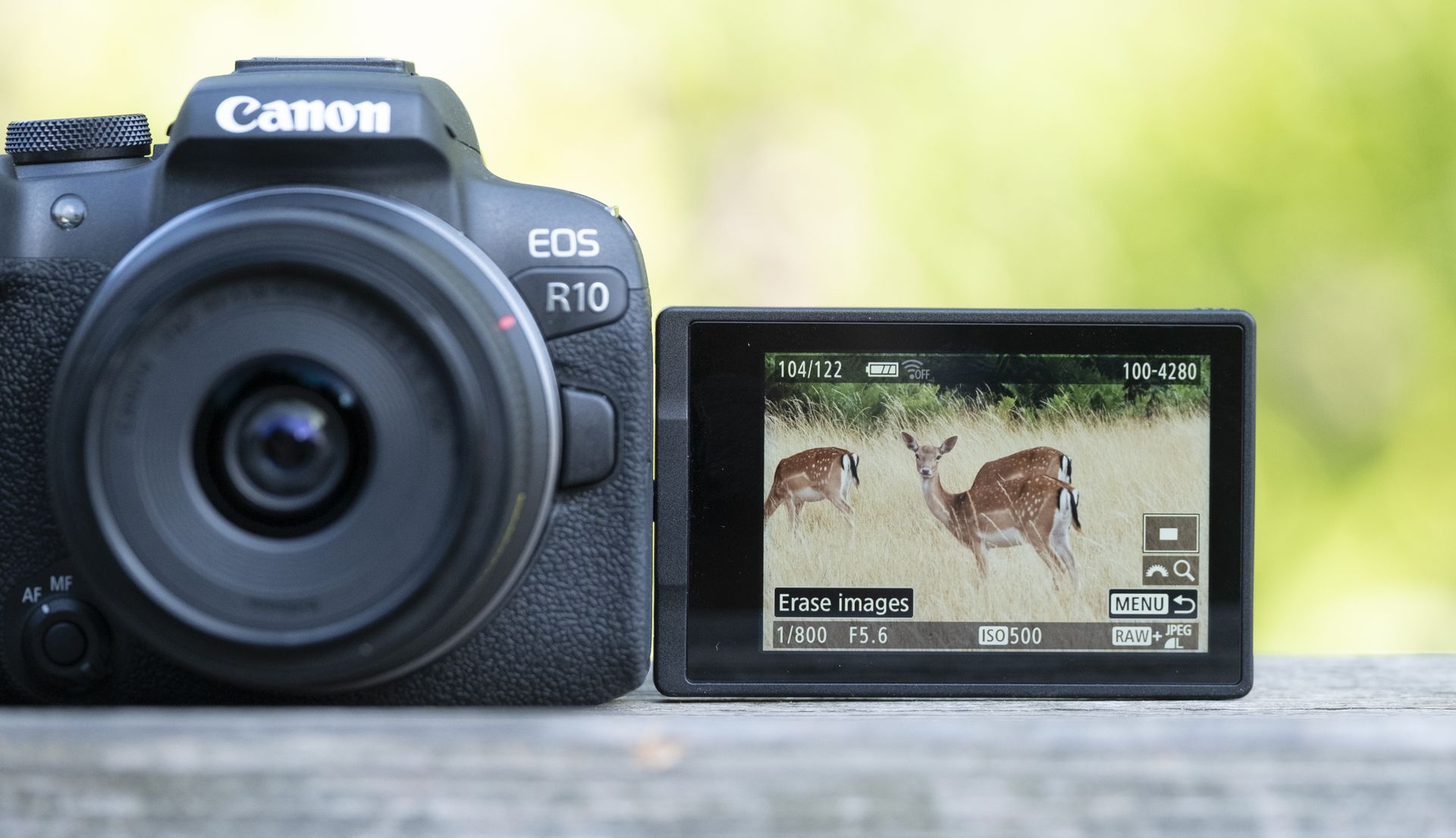
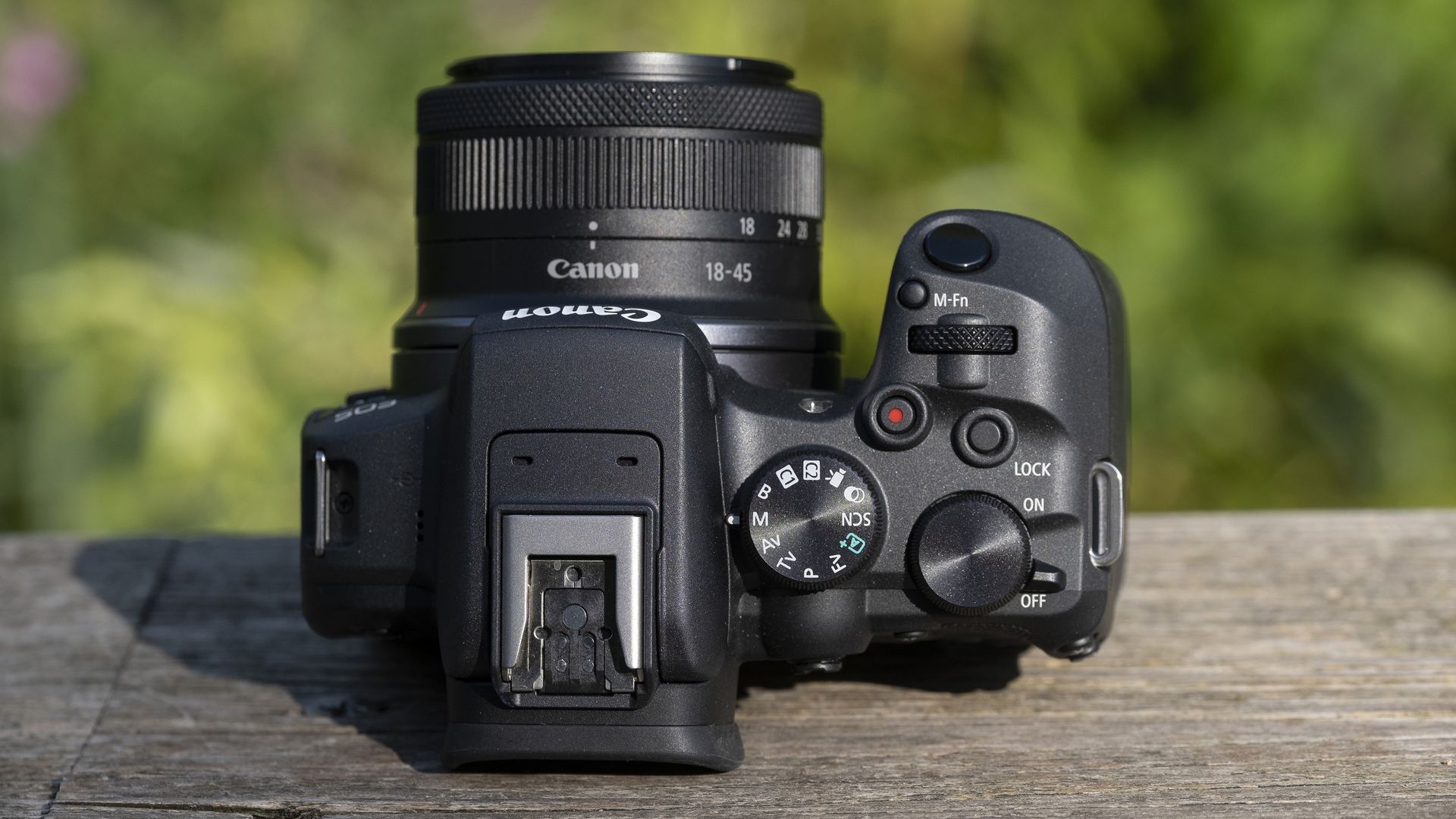
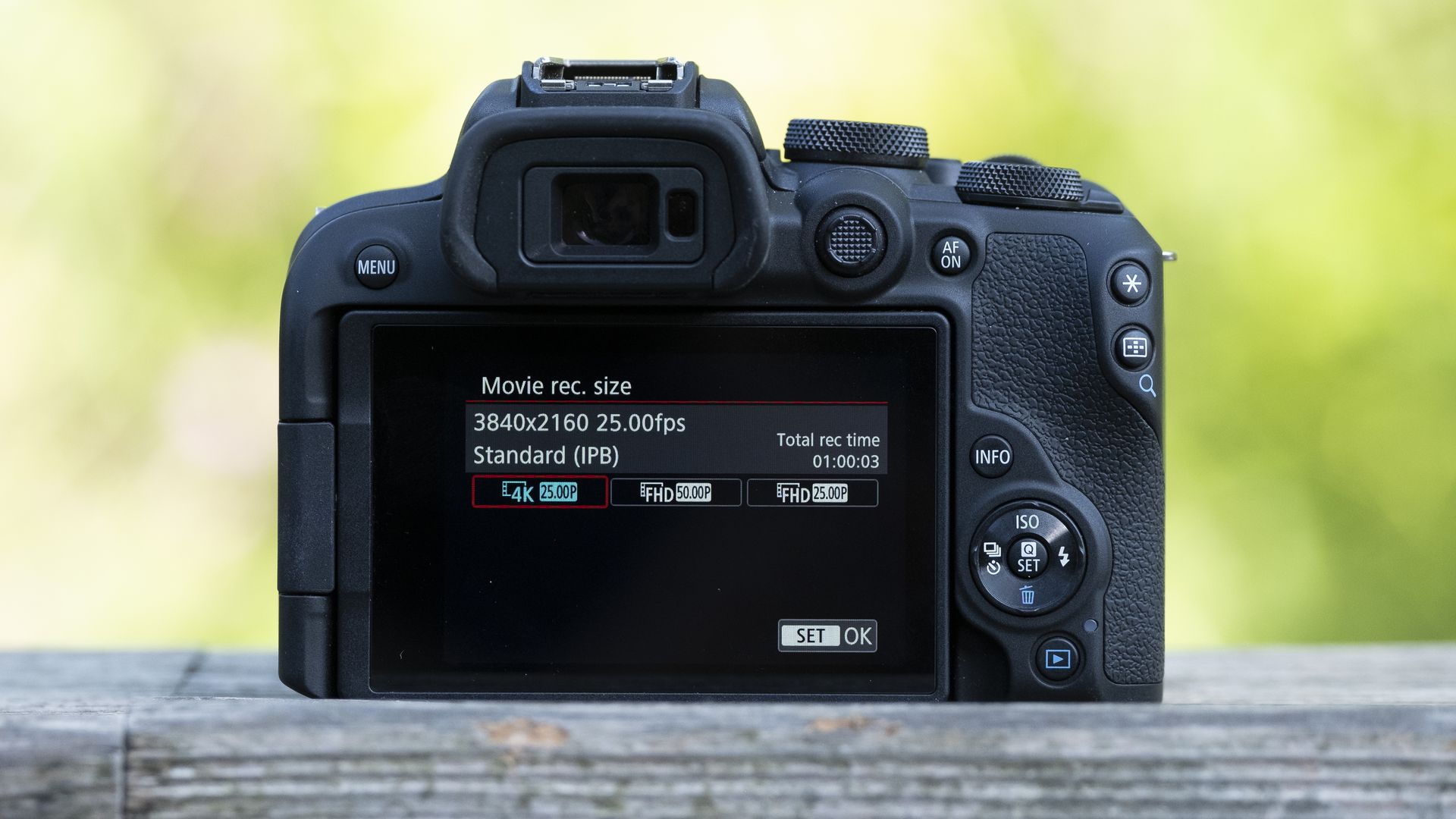
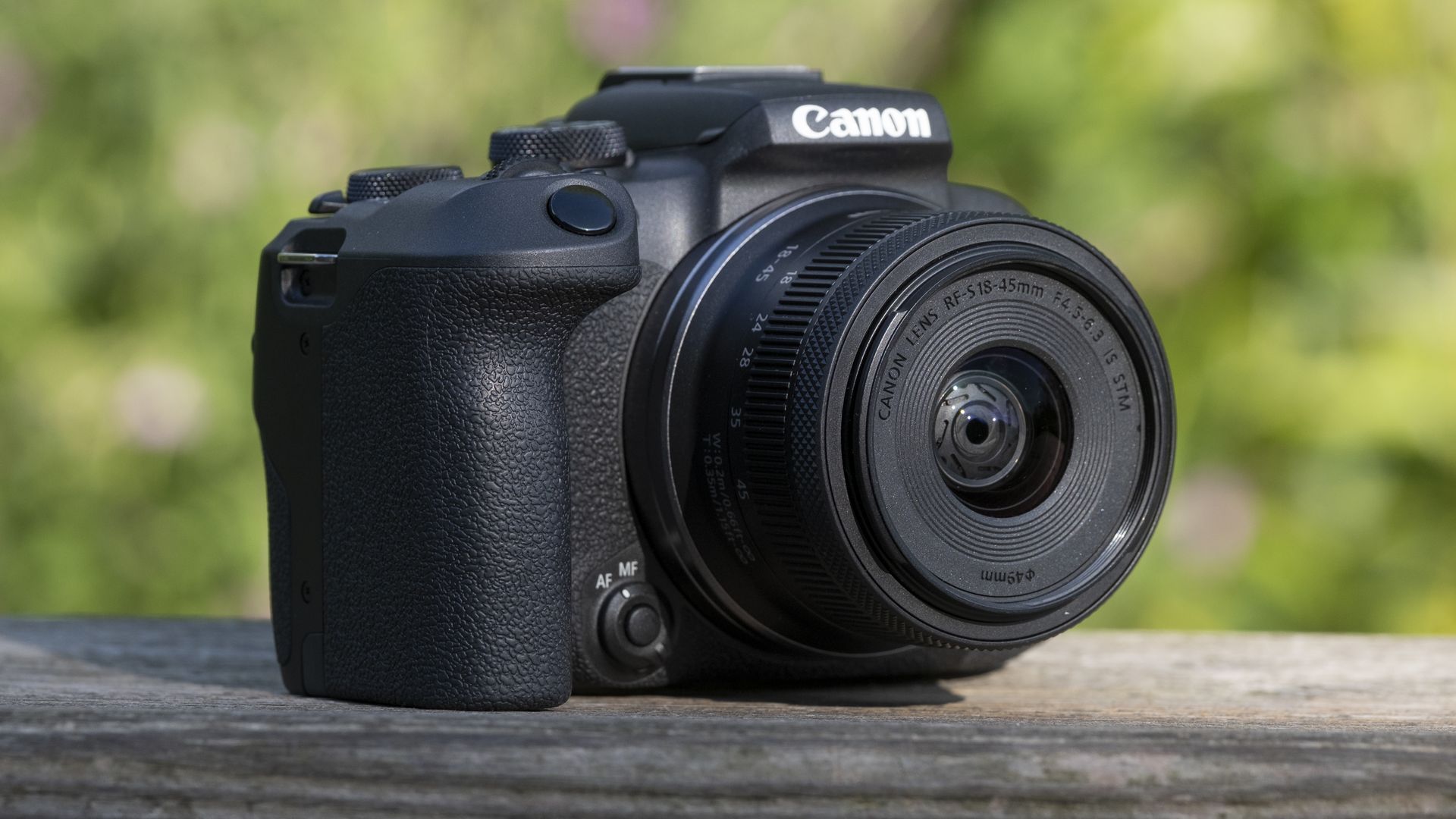
Canon EOS R10 sample images

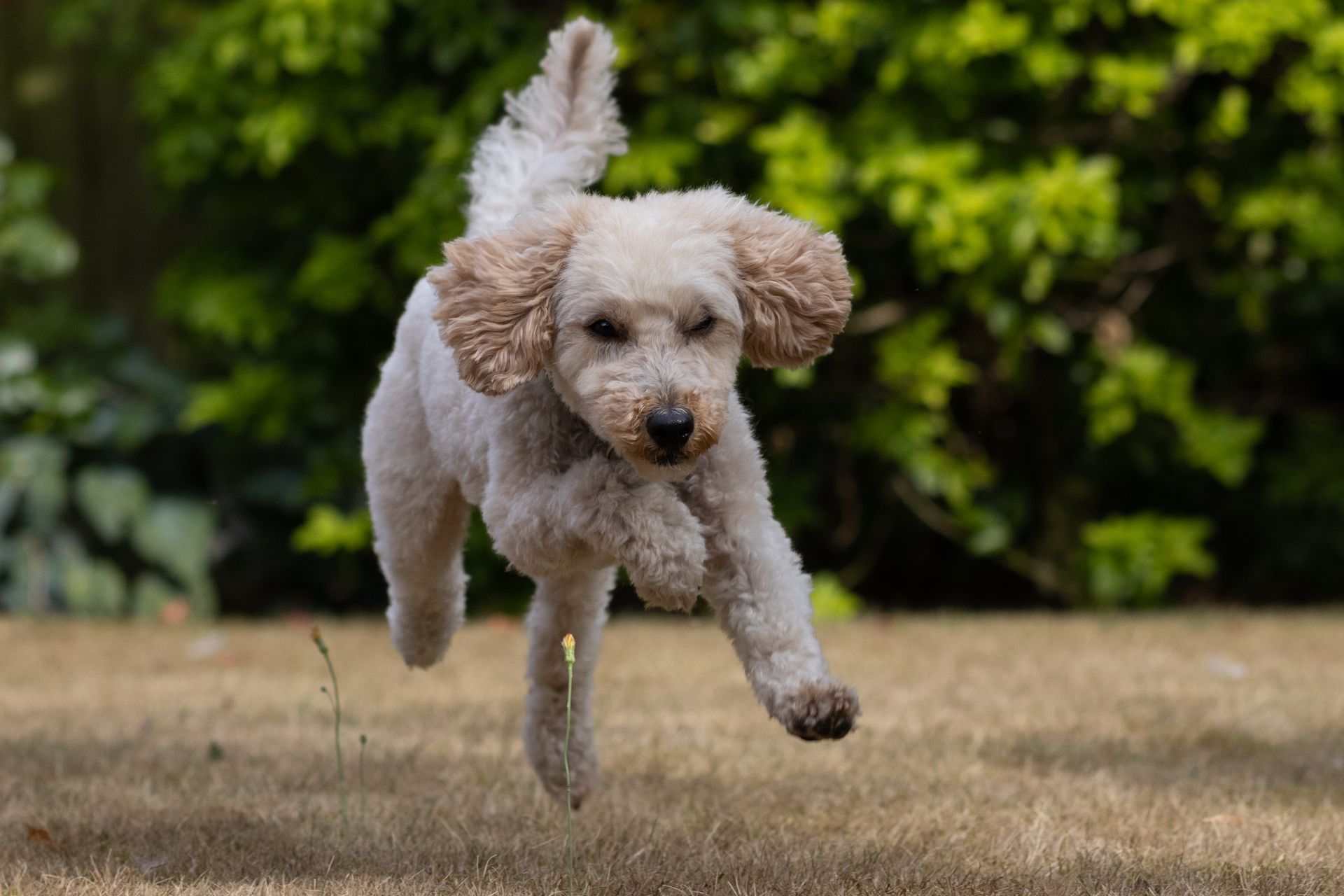
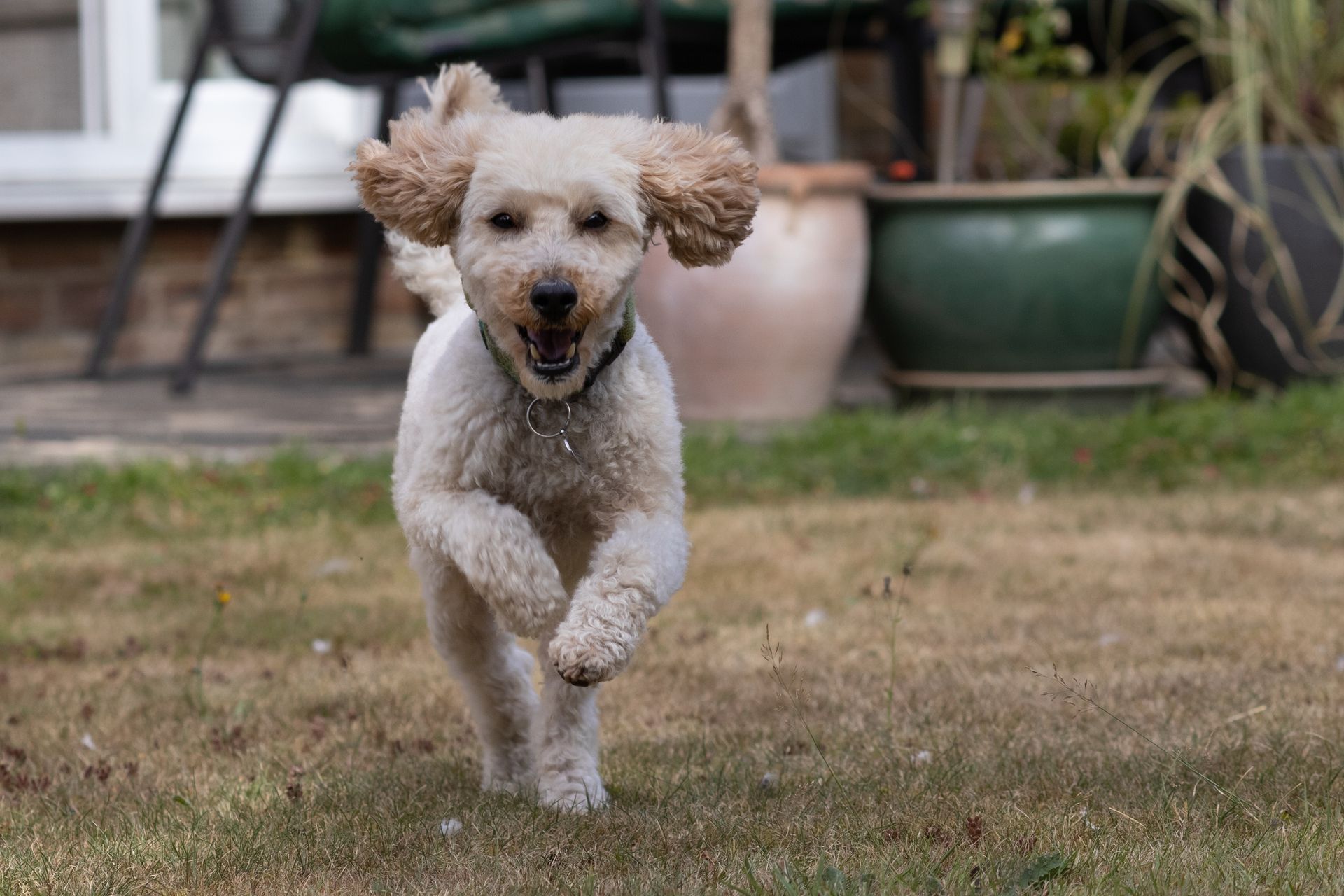
✅ You're shopping for your first camera: Powerful autofocus, good handling, and strong burst speeds put the R10 at the top of the pile for beginners.
✅ You need an affordable sports camera: Its burst speeds and autofocus make the R10 worth the price if you're looking to shoot moving subjects.
❌ You need a wide choice of native lenses: Right now, the EOS R10's main weakness is a lack of native lenses for Canon's RF mount.
❌ You'll be mostly shooting video: No headphone jack for monitoring audio, nor any in-body image stabilization to keep things steady. This isn't a vlogging camera.
It isn't the cheapest option for beginners, but we think the Canon EOS R10 is the best camera for those starting their photographic journey. Spiritual successor to Canon's popular mid-range DSLRs, the EOS R10 has two standout skills: impressive subject-tracking autofocus and speedy 15fps burst shooting, which was previously unheard of at this price. Both combine nicely to make the EOS R10 a versatile little camera for shooting all kinds of subjects, from portraits to speeding pets.
During our autofocus testing, which we conducted on cats, deer, and a rapid cockapoodle, the R10 found and tracked subjects' eyes very well, with 15fps burst speeds producing a decent hit rate.
While it isn't a compact camera, the EOS R10 is lightweight at 429g and has a deep grip that makes it well-balanced in the hand with all kinds of lenses. Unfortunately, the EOS R10 doesn't yet have many native lenses (just two at the time of writing) and lacks in-body image stabilization. But if you're happy to buy some of the many full-frame RF lenses that work well with the camera, or adapt old ones using an EF-EOS R adapter, then it's a versatile sidekick that's ideal for fledgling snappers.
Read our in-depth Canon EOS R10 review
Top alternatives...
- Nikon Z50 II – Nikon's APS-C camera is a superb all-rounder, with lower-resolution 20MP stills but Canon-beating performance.
- OM System PEN – There's a lot to love about the PEN, starting with an affordable price tag and a 20.4MP sensor, and it's incredibly fun to shoot with.
The best pro camera for stills
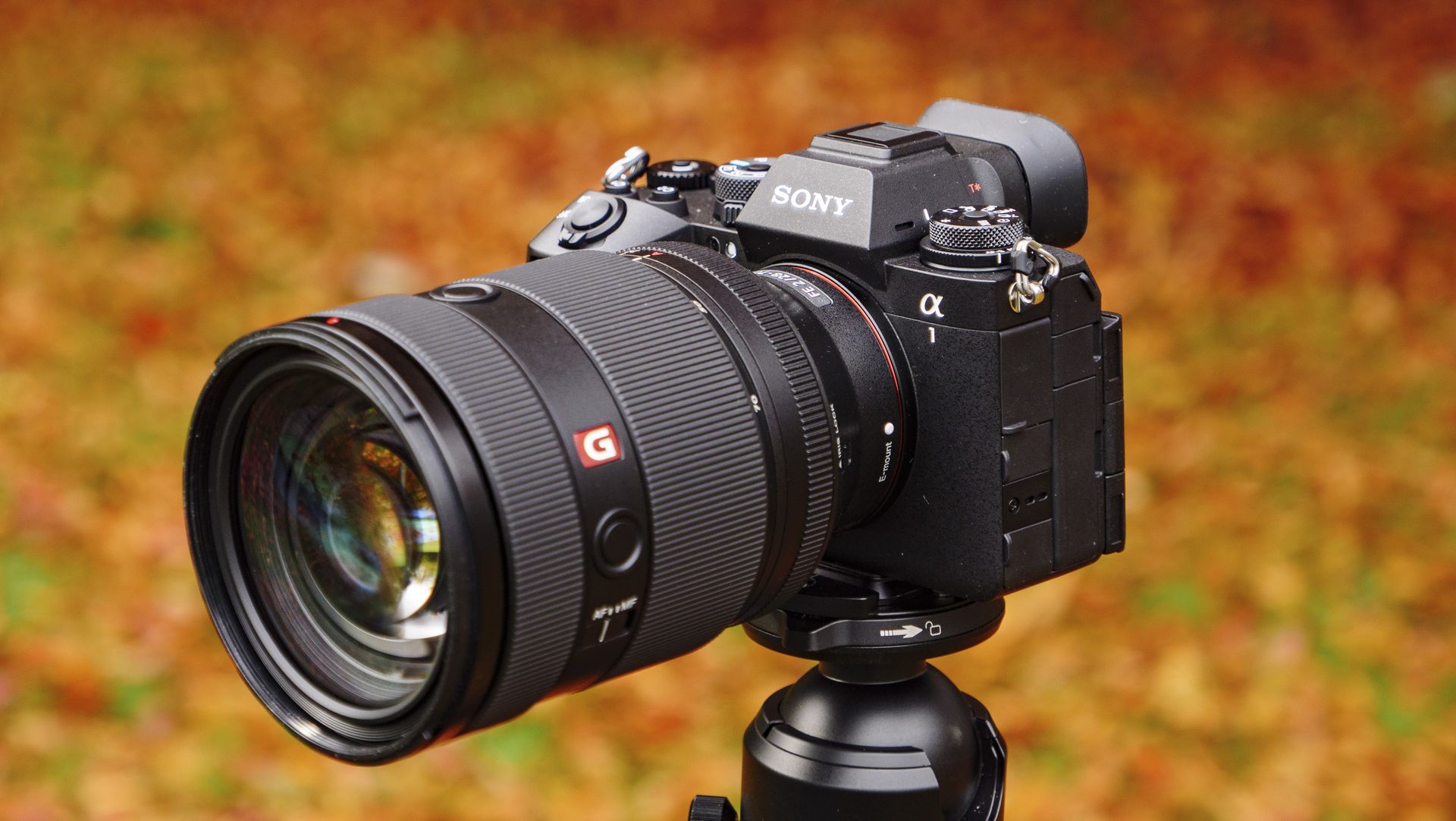
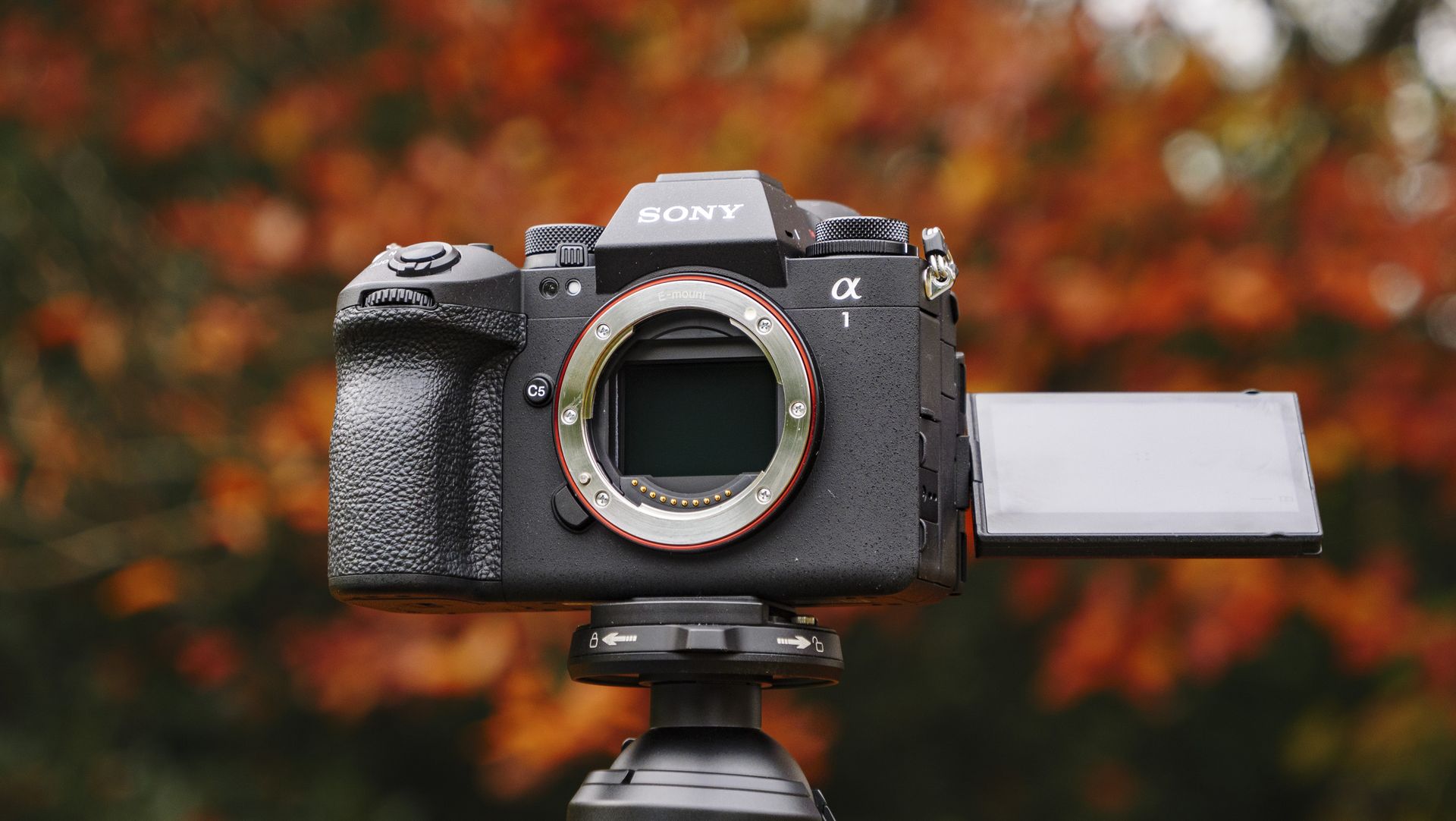
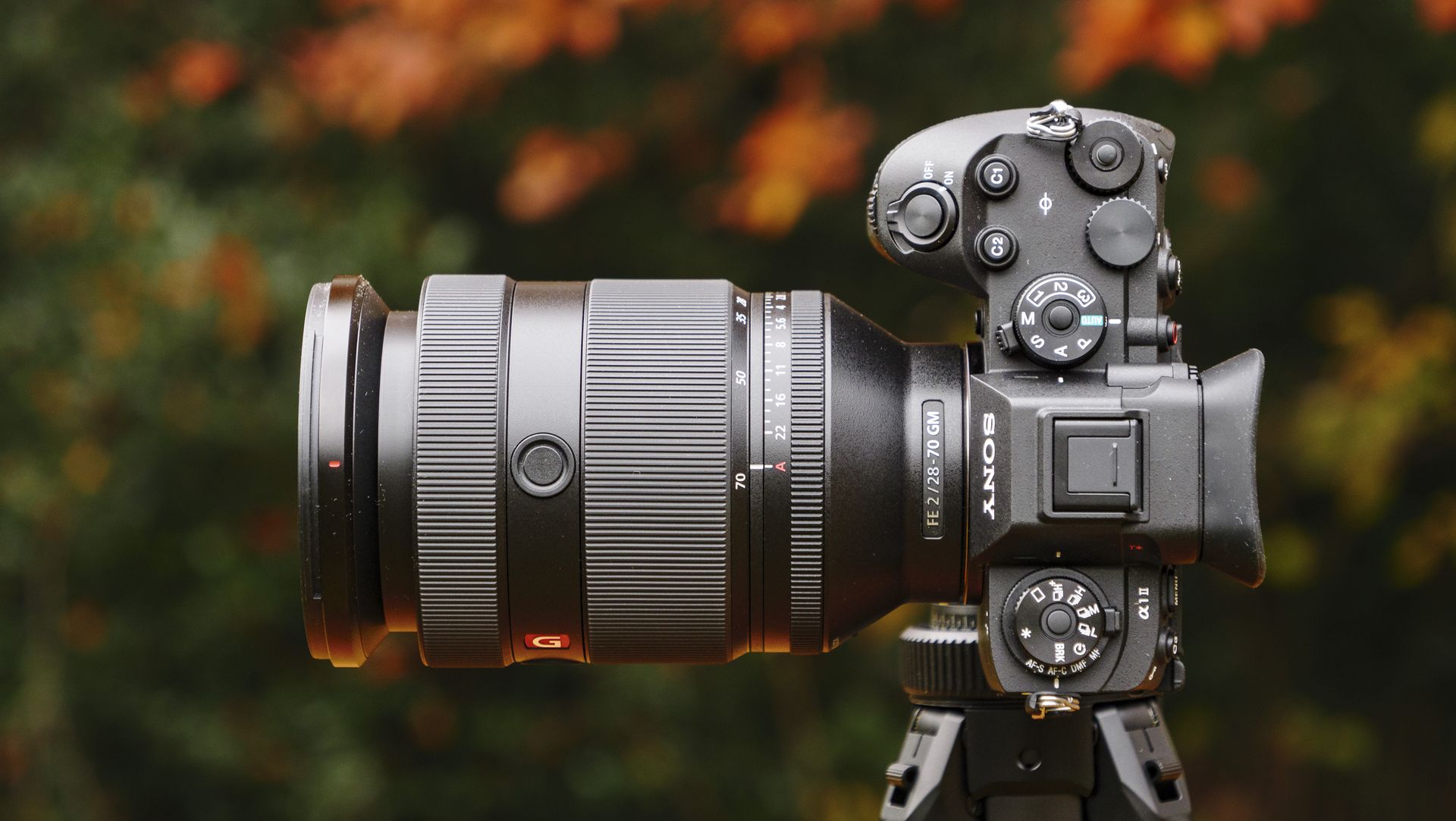
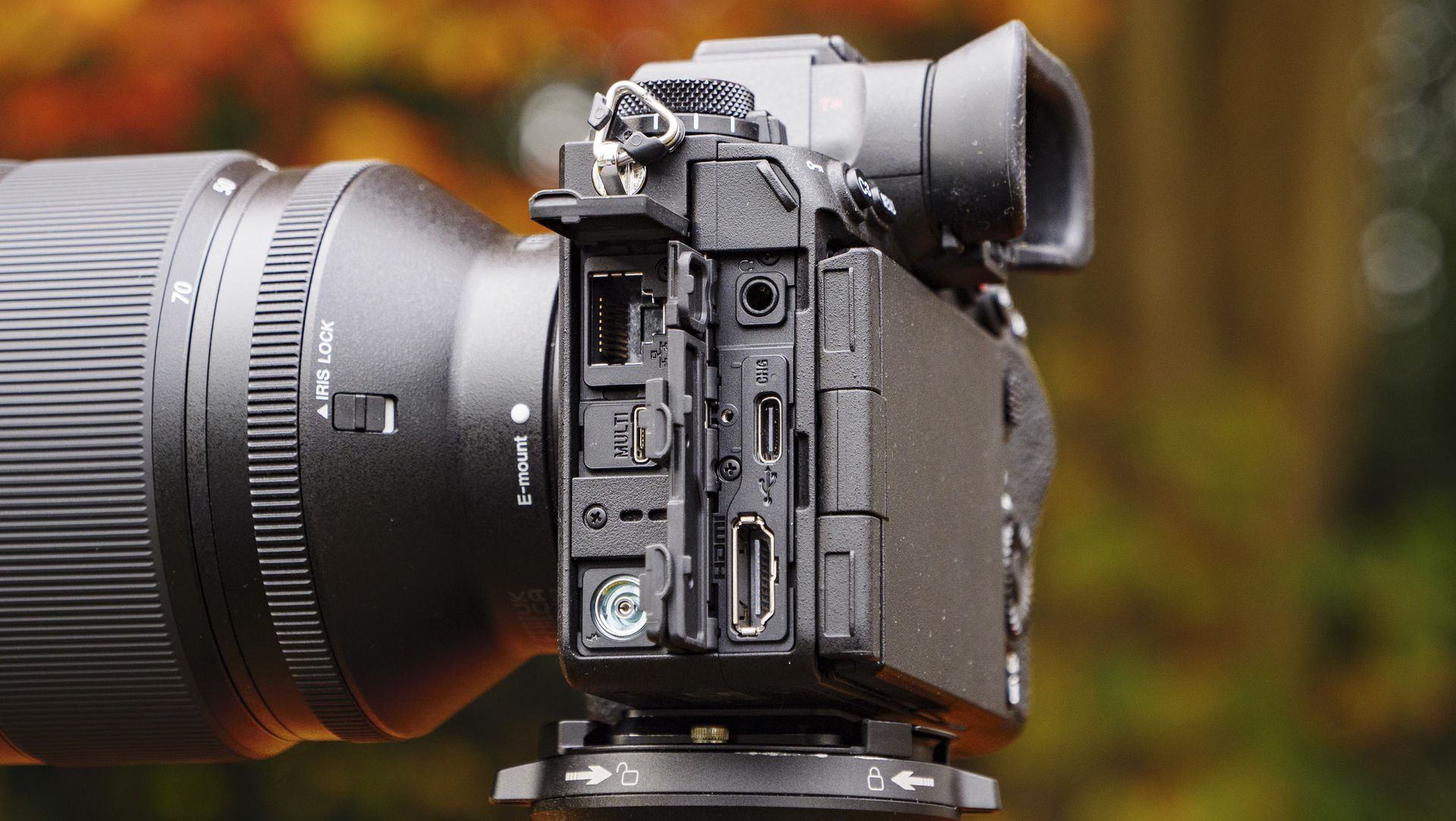
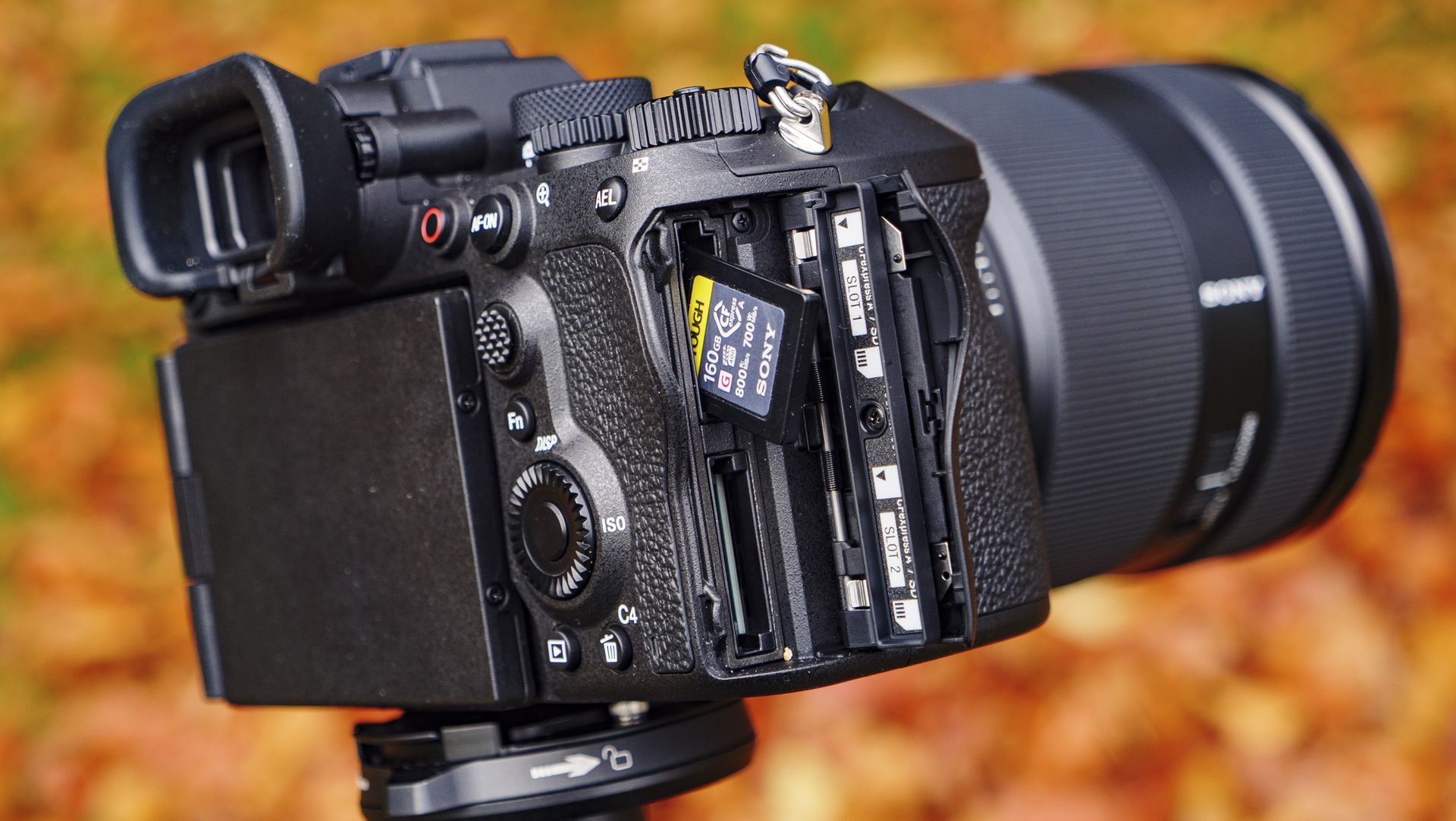
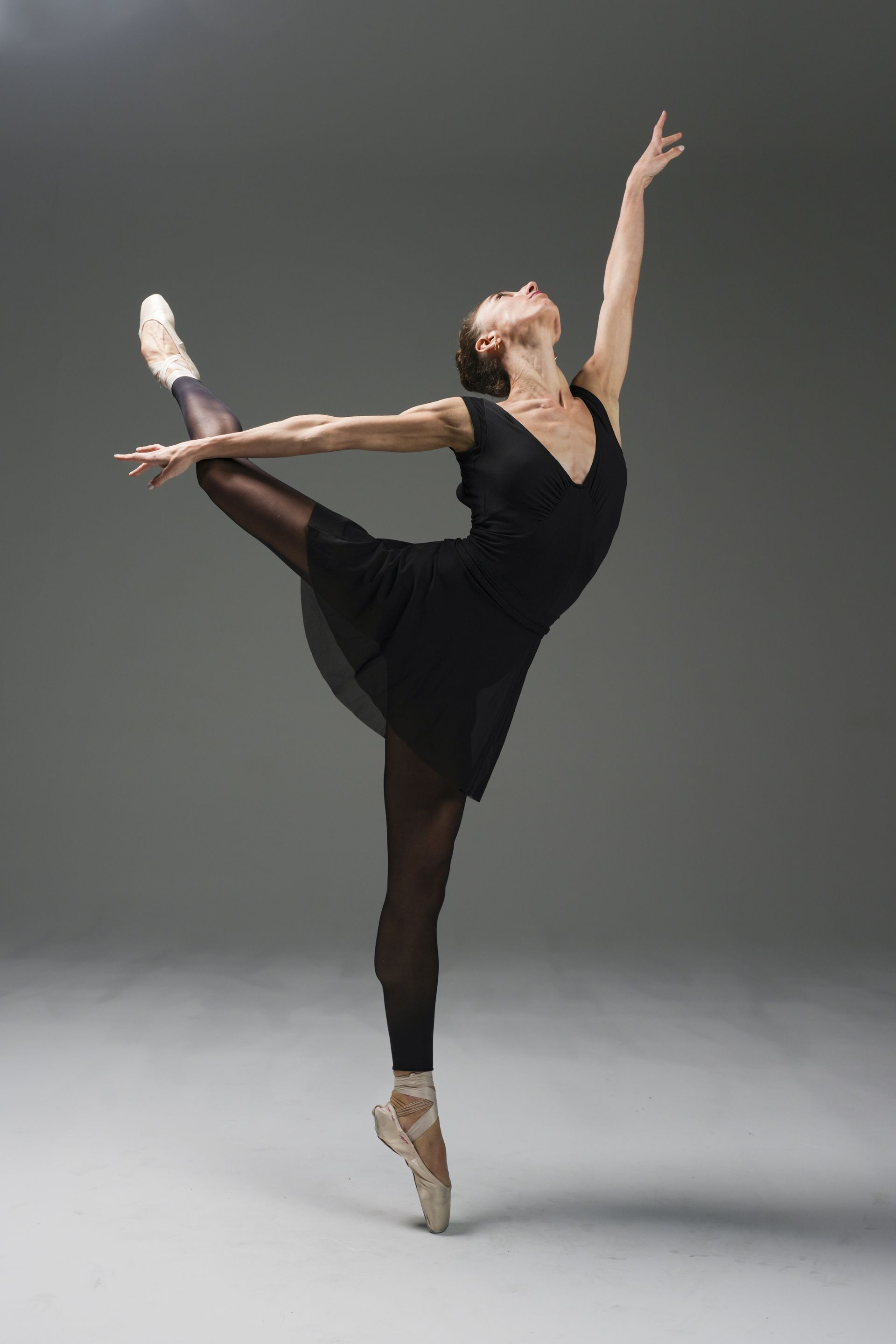
Sony A1 II sample images

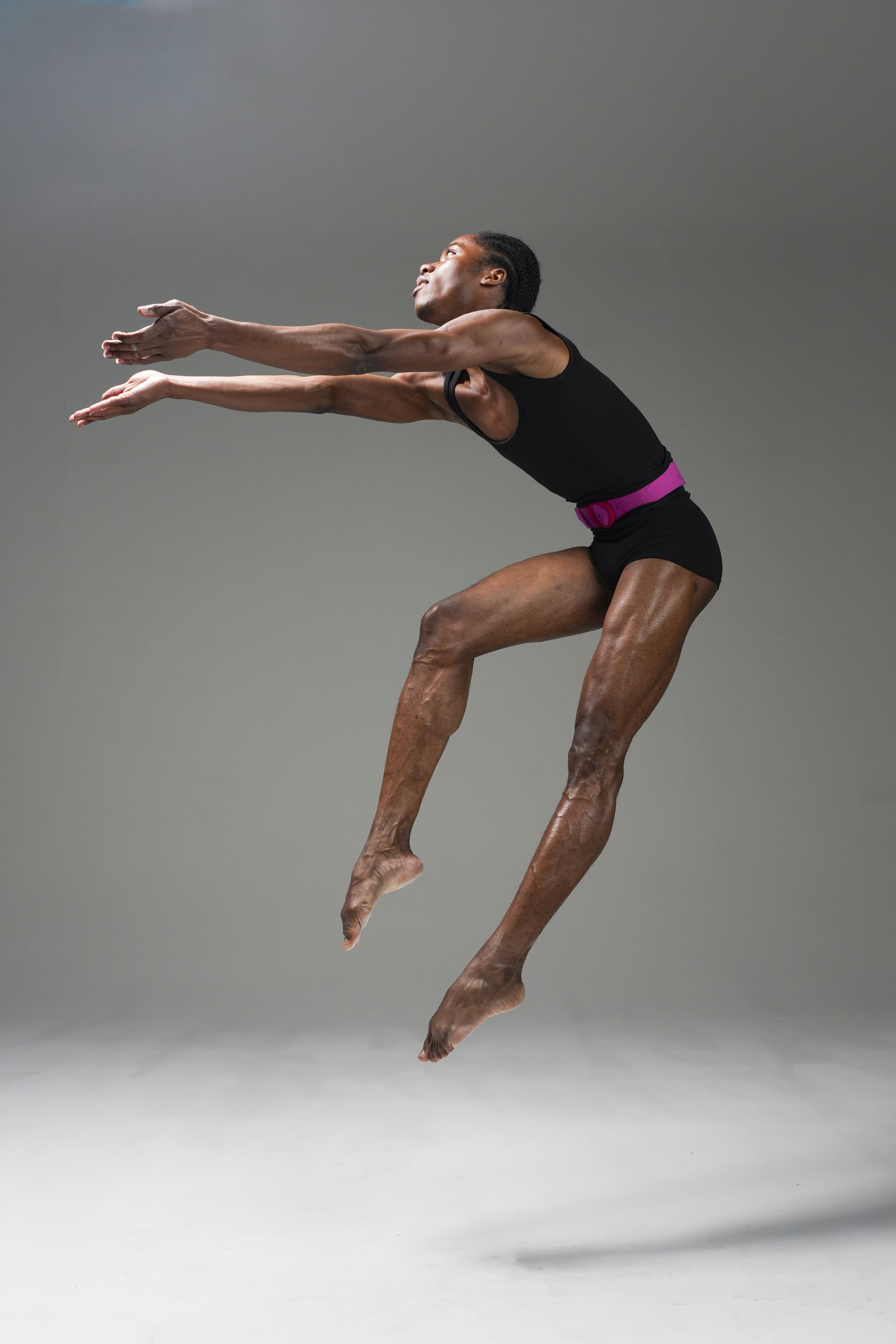


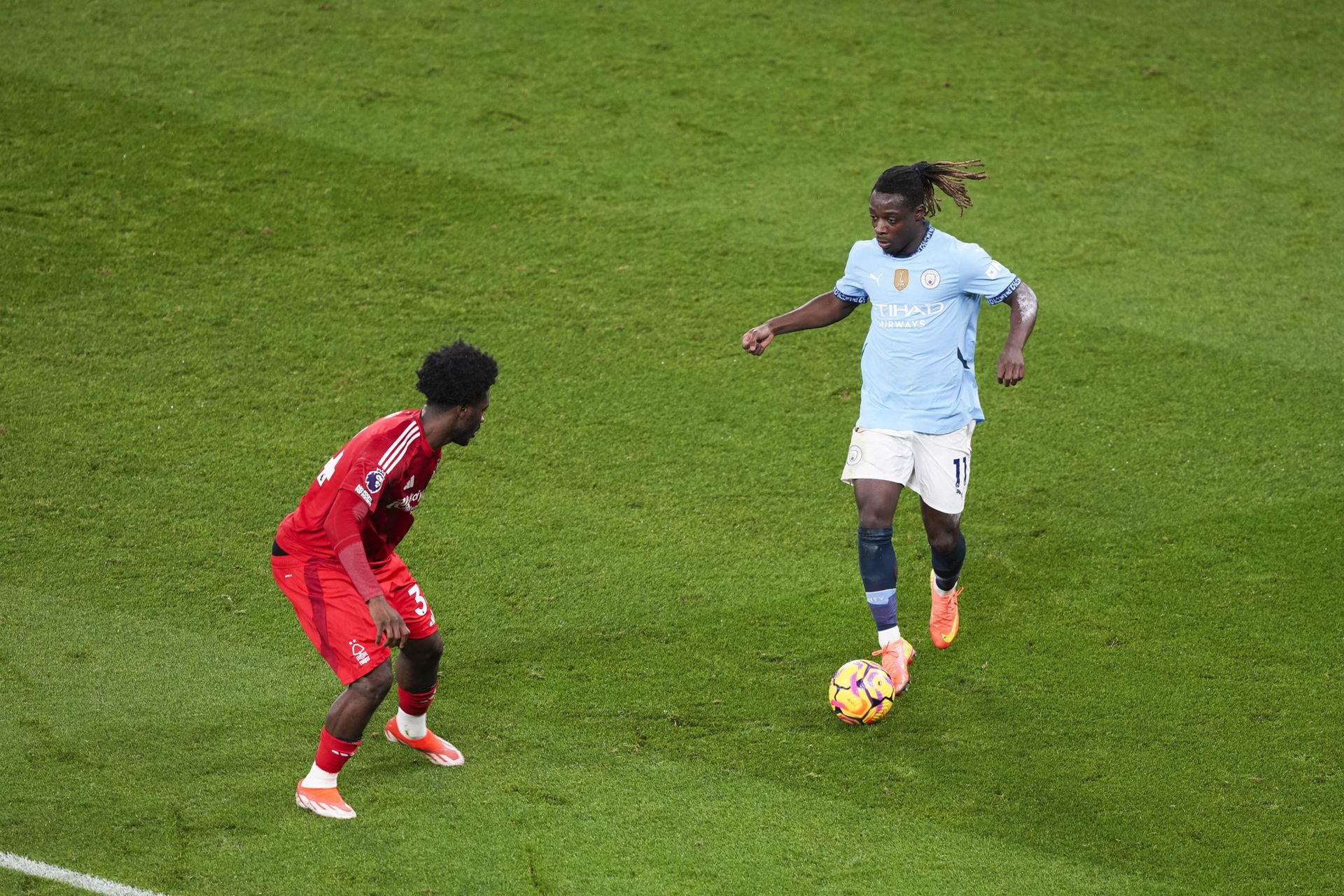
✅ You want Sony's best-ever mirrorless camera: It's a modest update of the flagship A1, but there's enough in here for certain photographers to merit the upgrade.
✅ You need speed and quality: The A9 III is quicker, the A7R V has a higher resolution 61MP sensor, but the A1 II offers a compelling mix of speed and quality in one camera.
❌ You want the best bang for your buck: New Nikon and Canon rivals offer almost everything the A1 II does, but for much less money.
❌ You don’t need a do-it-all camera: Portrait and landscape photography specialists can save by opting for the 61MP A7R V, while sports-only shooters can look to the A9 II.
We found the A1 II to be Sony's most capable Alpha yet, and a camera that truly excels at almost any type of photography. What makes it special is how it combines the proven 50MP stacked sensor from the original A1 with design improvements borrowed from the A9 III, including a larger handgrip, improved 8.5EV image stabilization, and a new Auto subject-detection AF mode.
The compelling mix of speed and quality is what sets this camera apart. It delivers 30fps burst shooting with that high-resolution 50MP sensor, giving you exceptional detail for cropping while maintaining the speed needed for fast action. The AI processing unit ensures reliable autofocus across diverse subjects, from portraits to fast-moving sports, performing equally well whether you're shooting people, animals, or vehicles.
Image quality is superb, with sharp stills offering up to 15EV of dynamic range, while the enhanced stabilization delivers noticeably sharper handheld shots. Whether you're shooting portraits, sports, wildlife, or landscapes, the A1 II adapts effortlessly. It's this ability to turn its hand to virtually any photographic discipline with professional-level results that makes it such a formidable tool.
Read our in-depth Sony A1 II review
Top alternatives...
- Canon EOS R5 Mark II – The R5 II is a speedy all-rounder and is available at a lower price than the A1 II.
- Nikon Z8 – Another quick and versatile model, the 45MP Z8 is arguably Nikon's best camera ever.
The best APS C camera for enthusiasts
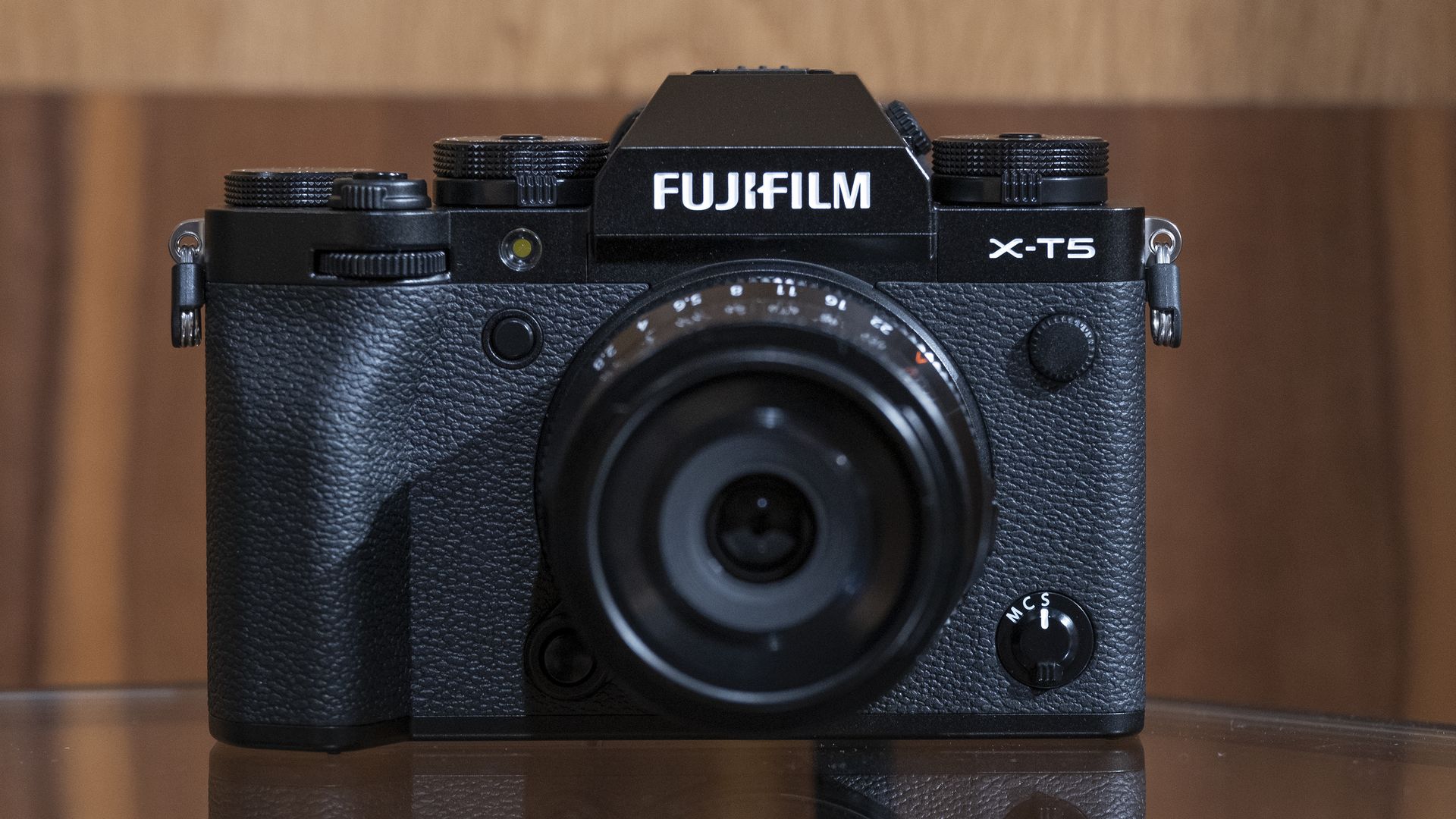
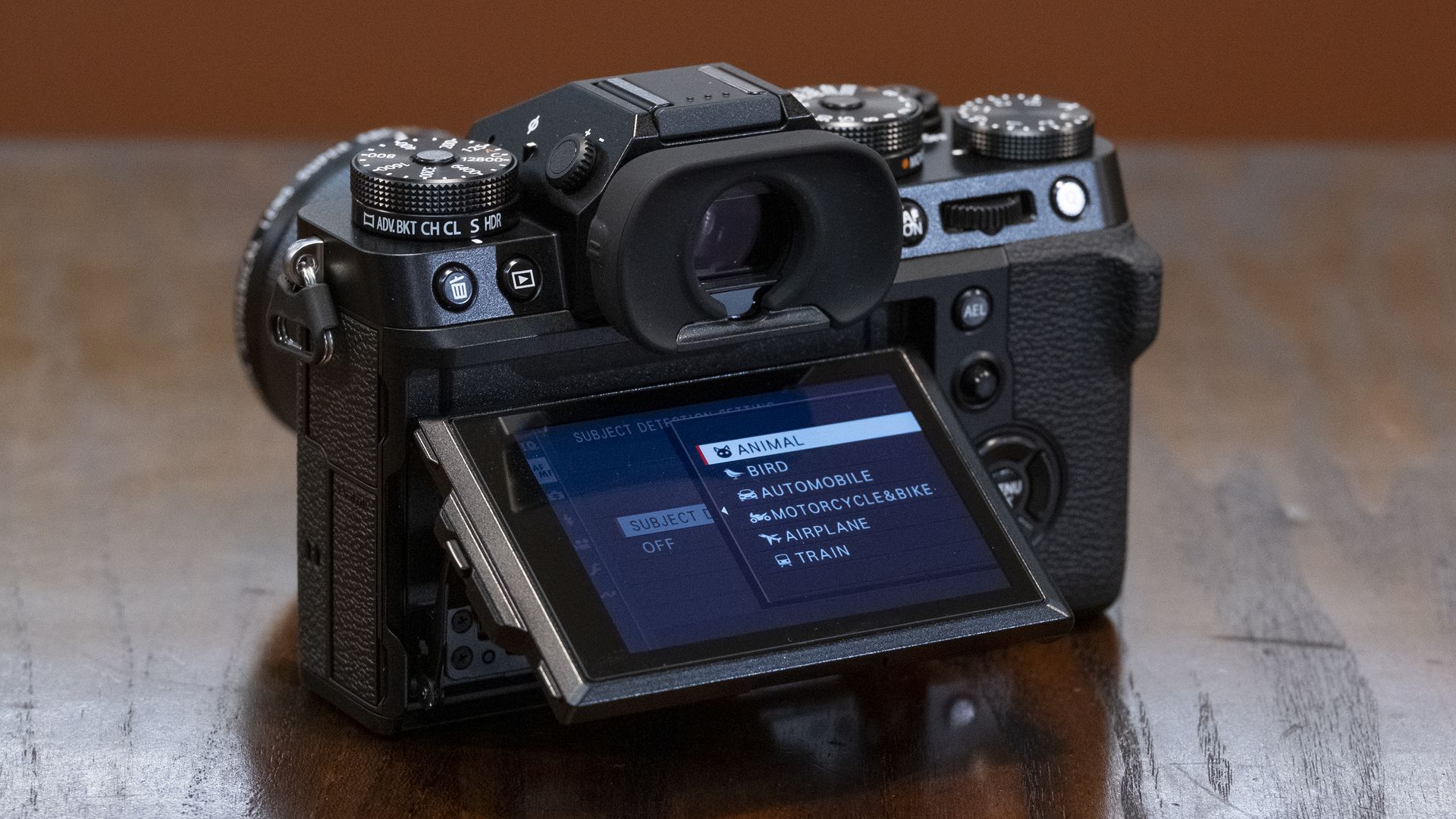
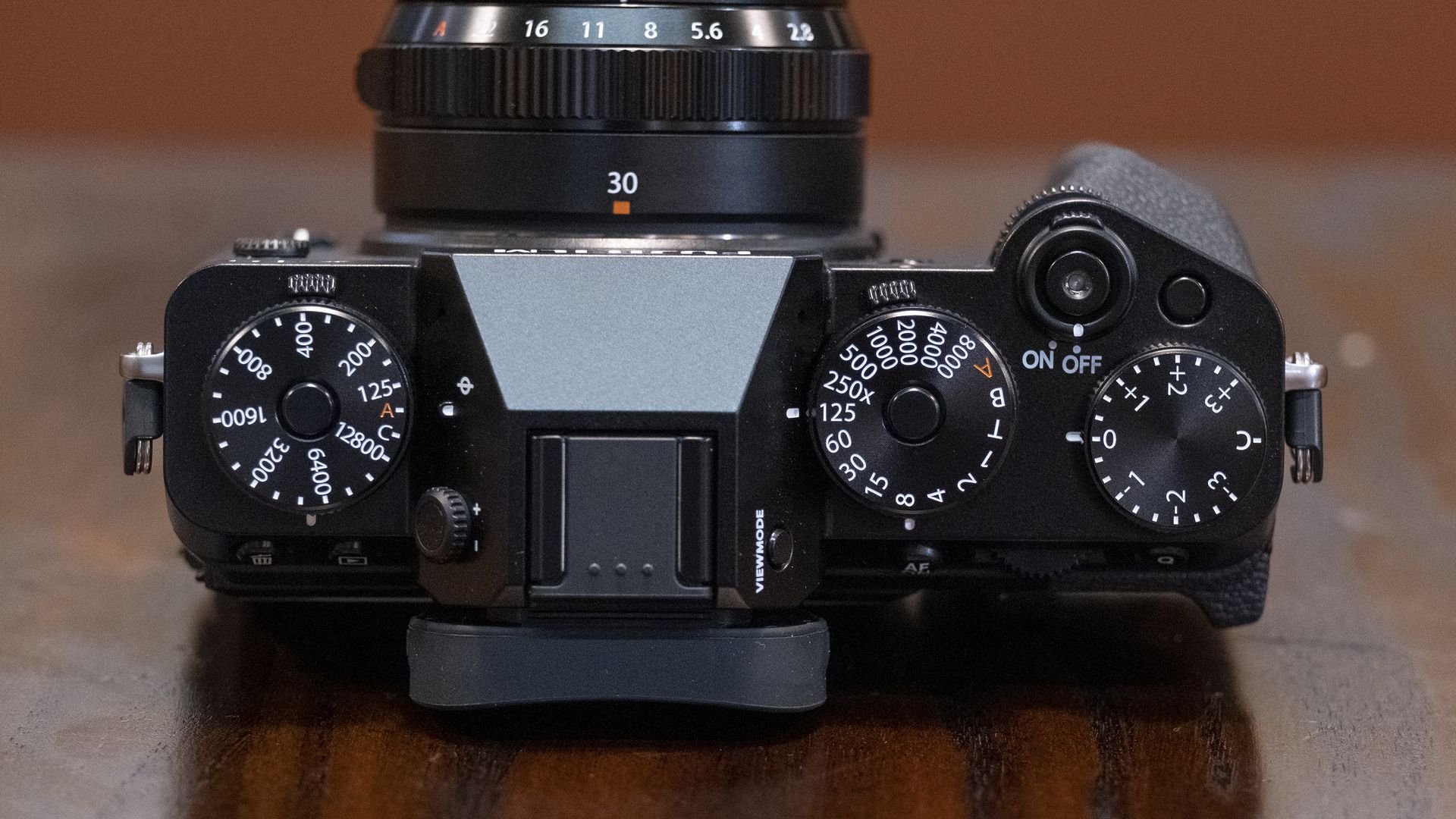
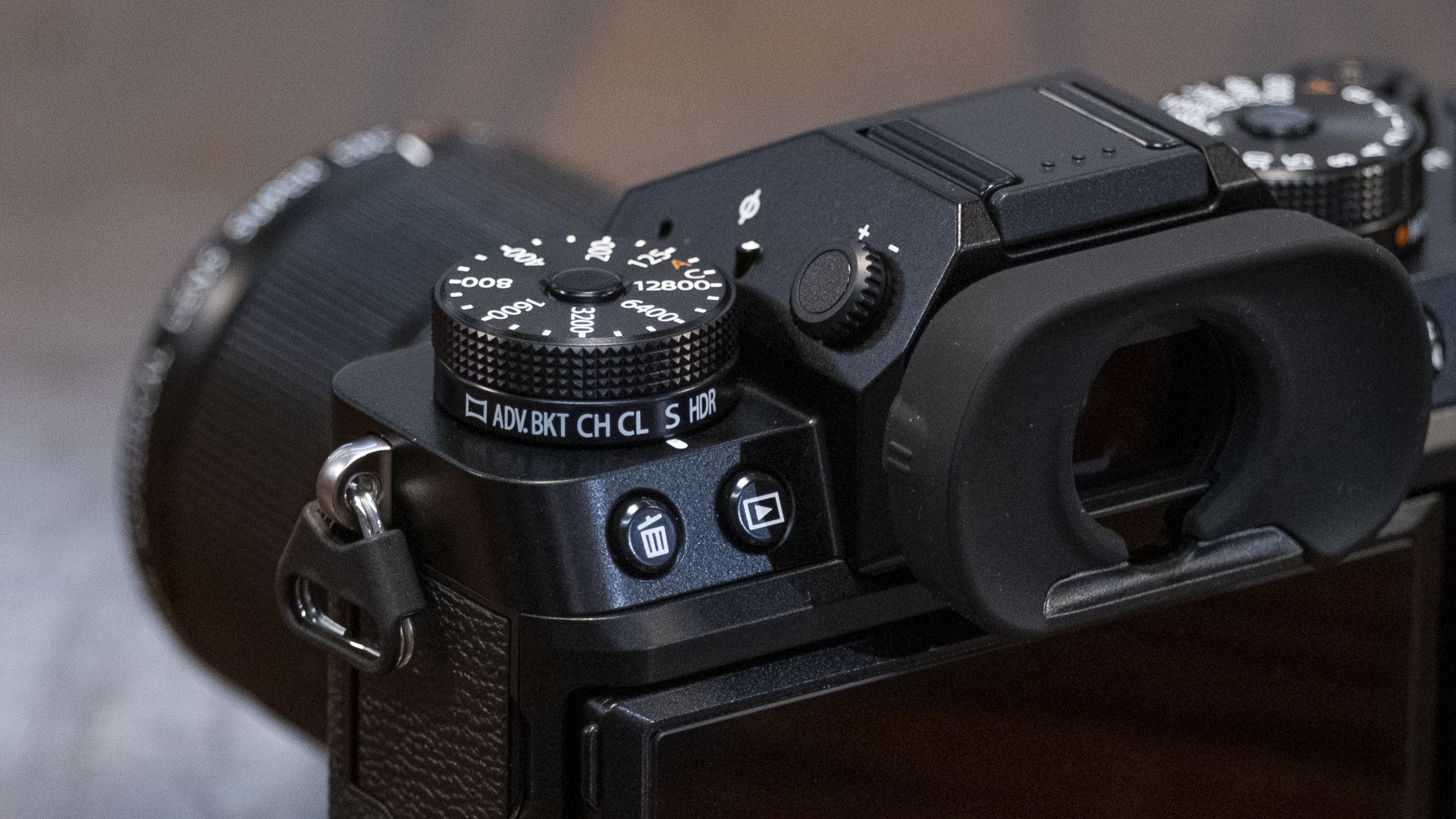
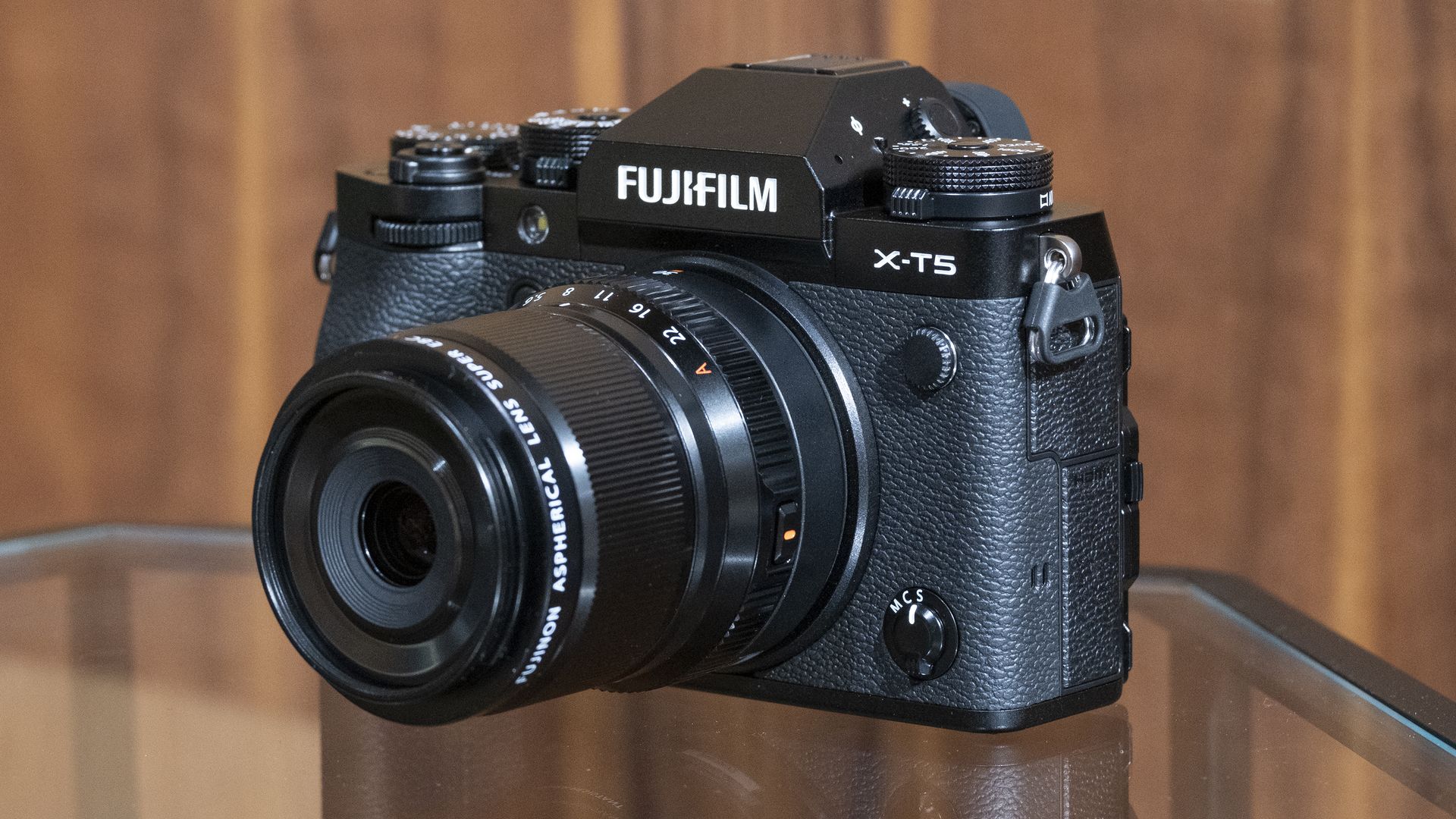
Fujifilm X-T5 sample images

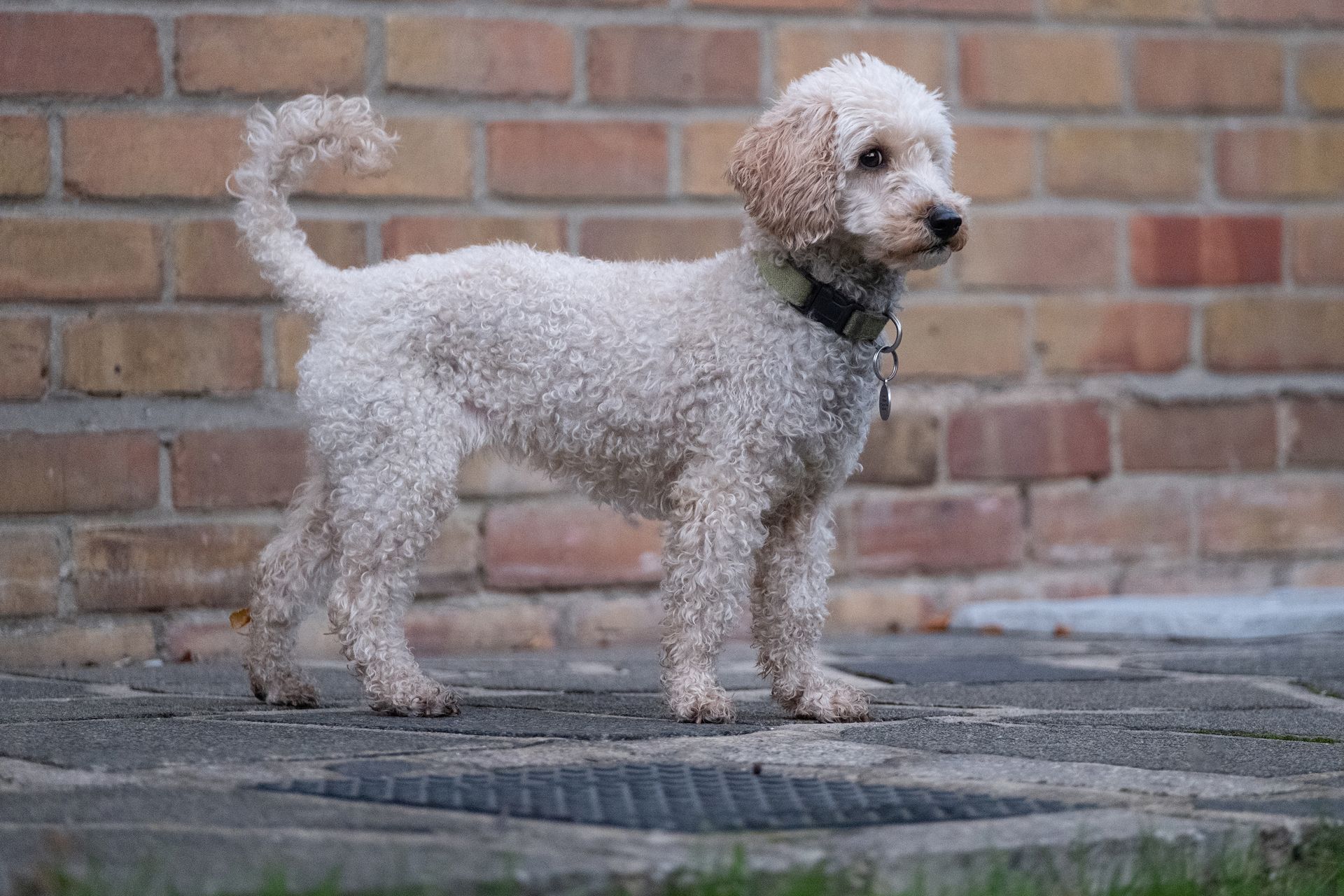



✅ You want class-leading detail: Fujifilm's 40MP sensor delivers the most detailed pictures of any camera with an APS-C sensor.
✅ You don't need full-frame: Full-frame is the most popular sensor format with camera lovers, but a lot is going for APS-C; the format is smaller and more affordable.
❌ You shot a lot of action: If you need value, speed, and focusing skills over outright detail, the Canon EOS R7, Sony A6700, and even Fujifilm's own X-H2S are better APS-C rivals.
❌ You need the best subject tracking autofocus: The X-T5's autofocus is fine, but if you want the best, those Canon and Sony options mentioned above are more reliable.
If photo quality, portability, and retro handling float your boat, there's no better mirrorless camera with an APS-C sensor than Fujifilm's X-T5. It squeezes the powerful specs of Fujifilm's X-H2 into a relatively compact body, complete with a vari-angle screen and DSLR-style controls and dials – we found it a true pleasure to shoot with, even if there are better EVFs elsewhere.
It's the photo quality of the X-T5 that truly stands out; the stabilized (IBIS) 40MP sensor and Fujifilm's gorgeous Film Simulation color profiles combine for excellent results. This is no slouch for video, either; there's pleasant 6.2K/30p footage, even if there’s a 1.23x crop and no easy way to monitor audio, given there's no headphone jack.
The X-T5 is our favorite APS-C mirrorless camera, but if your main focus is action photography, for which you need quick and sustained burst shooting speeds and top-notch autofocus, then the Canon EOS R7 and Sony A6700 rival cameras are arguably better.
Read our in-depth Fujifilm X-T5 review
Top alternatives...
- Sony A6700 – Sony's best APS-C camera, the A6700 can't match the raw quality of the X-T5, but its autofocus is better, as is its battery life.
- Canon EOS R7 – A stellar performer, the R7 combines 33MP stills with blazing fast burst shooting and autofocus. The lack of native lenses is an issue, though.
The best Micro Four Thirds camera for enthusiasts
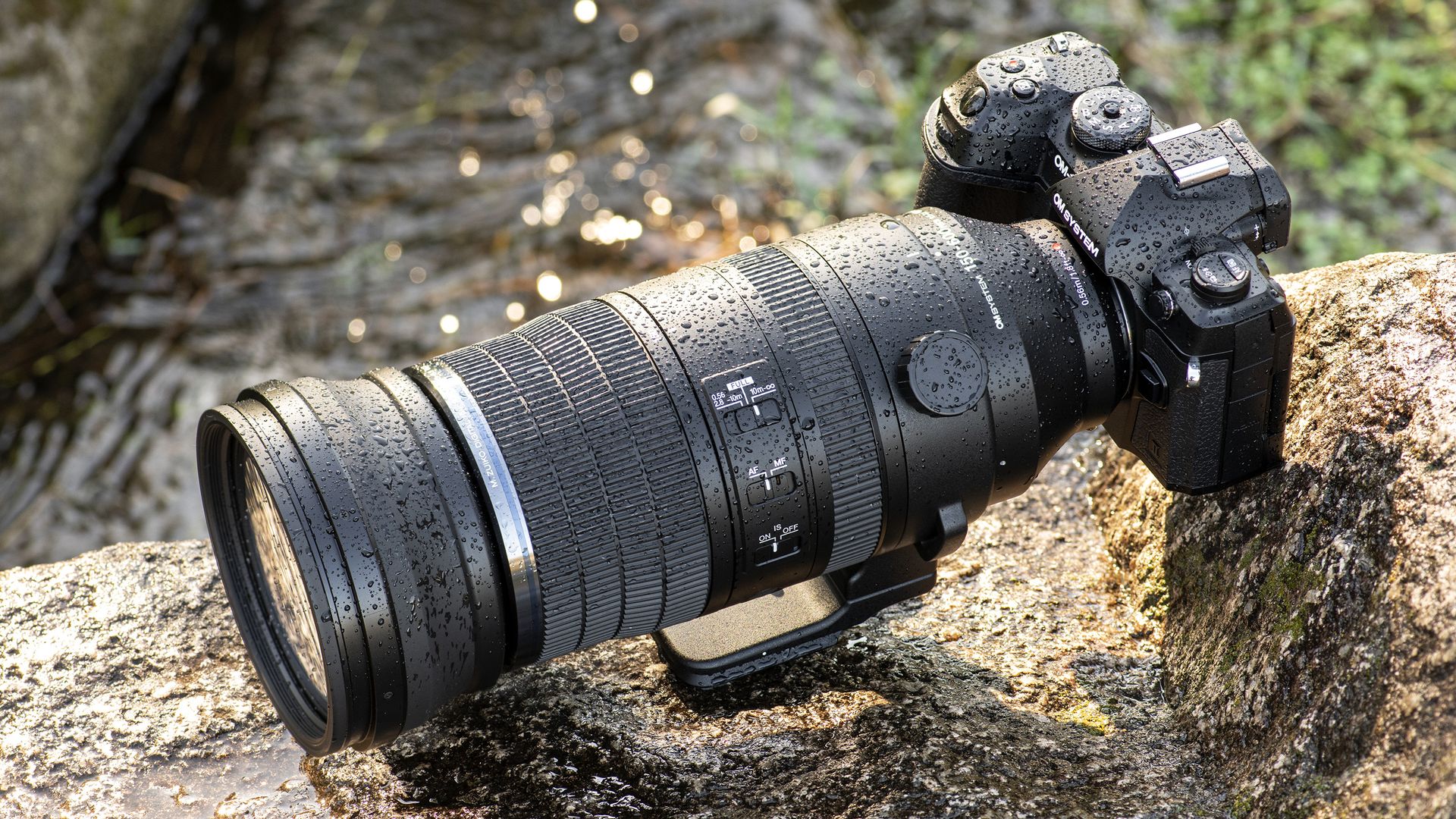
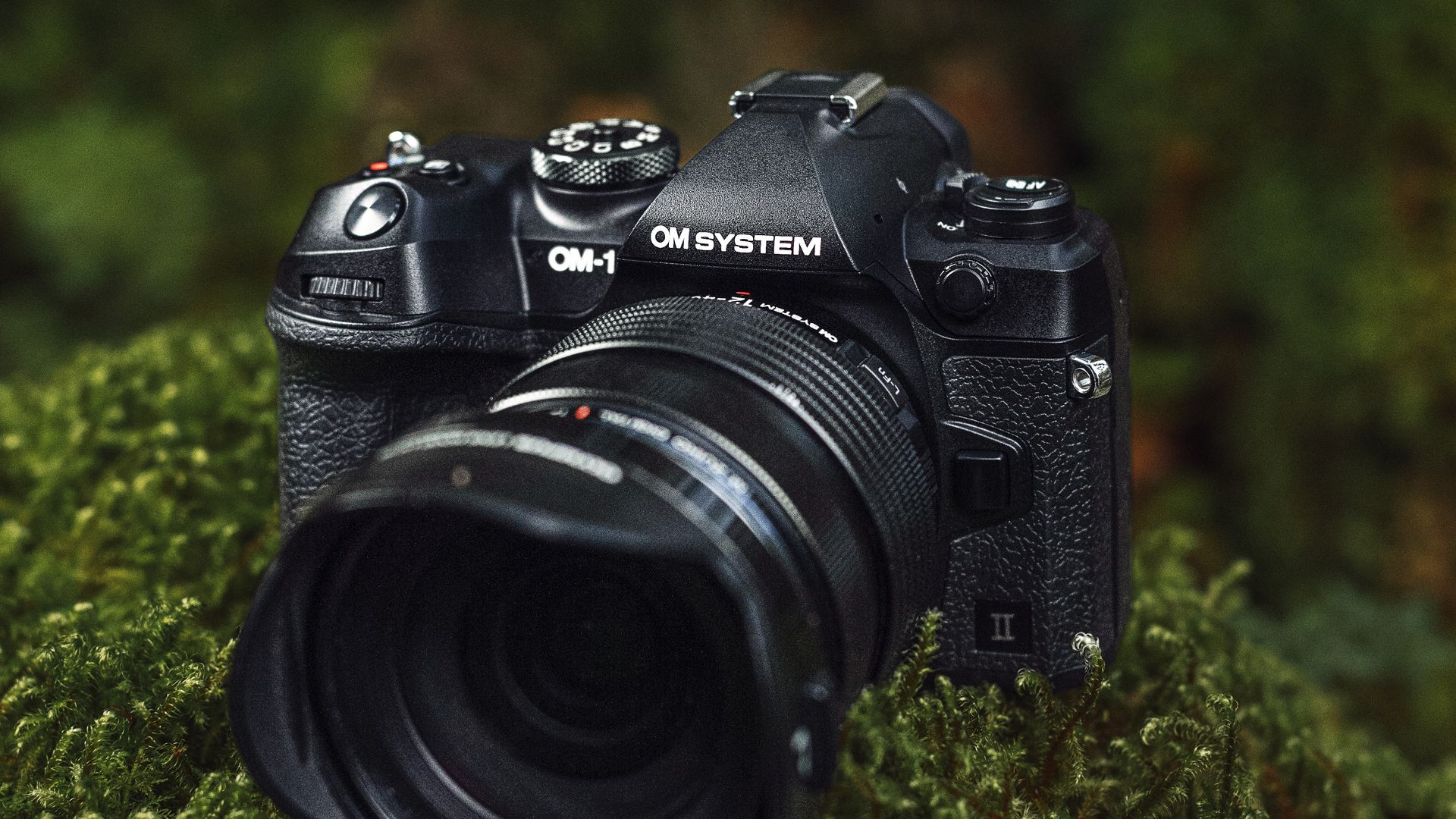
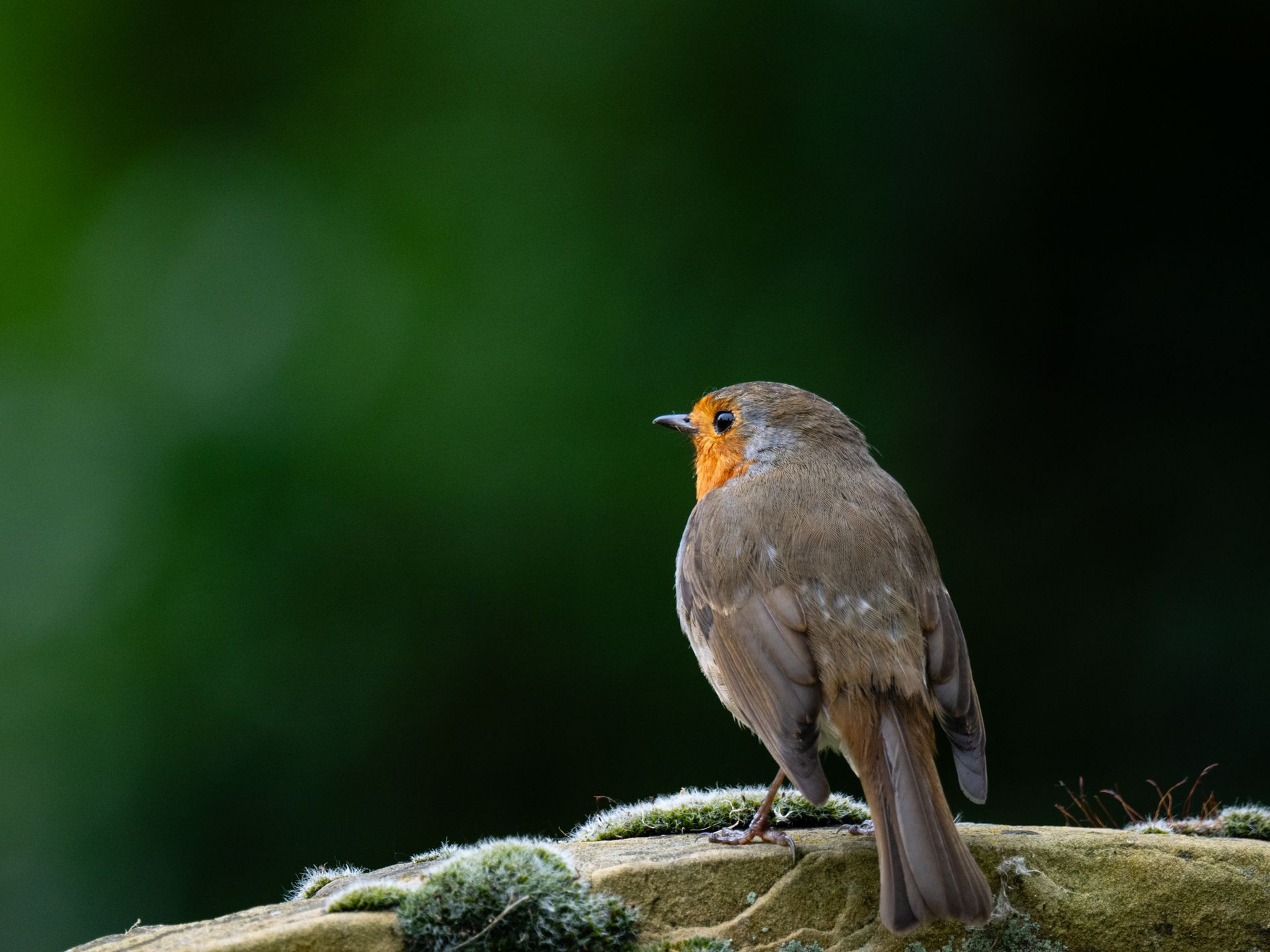
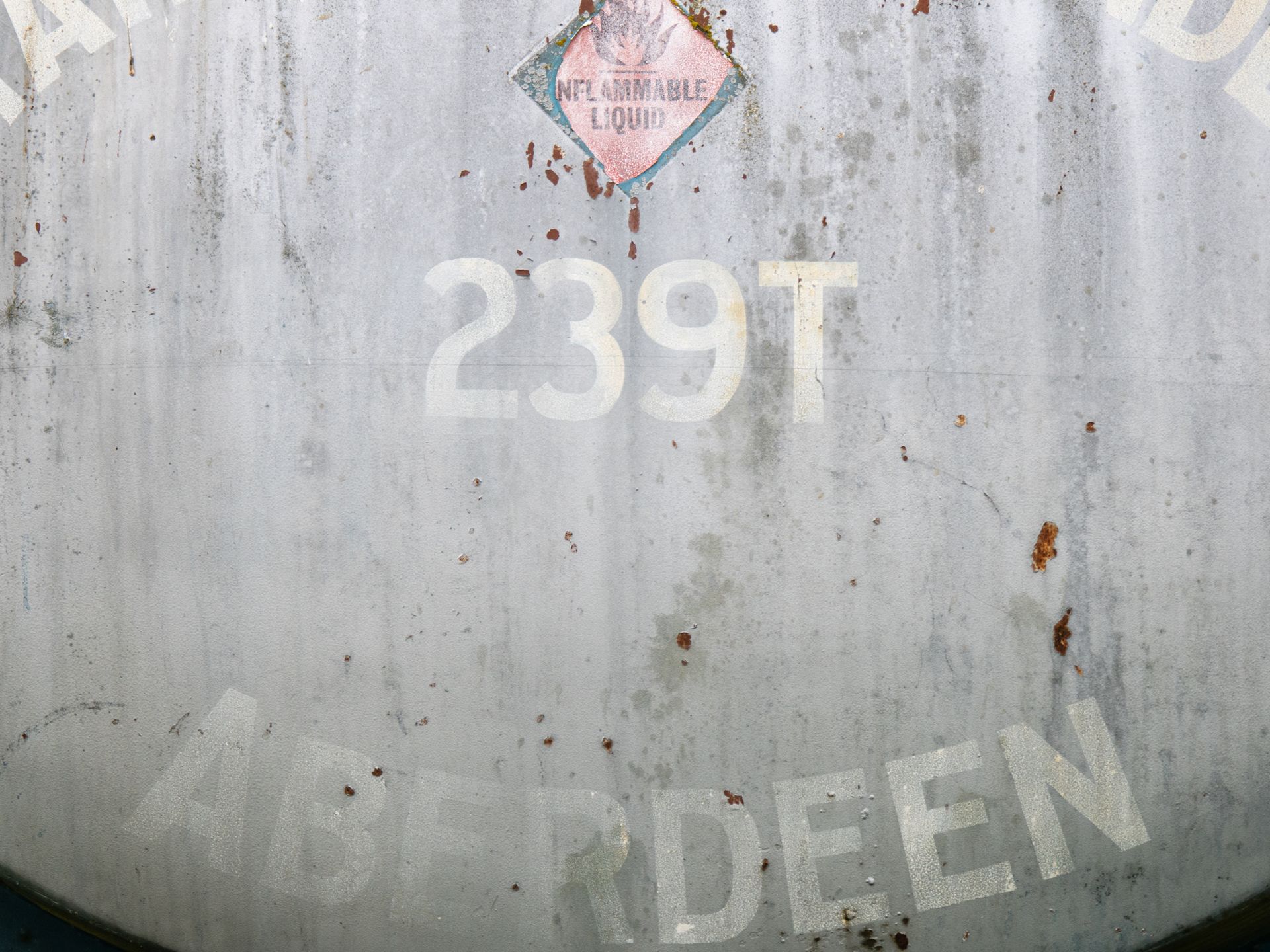
OM System OM-1 II sample images


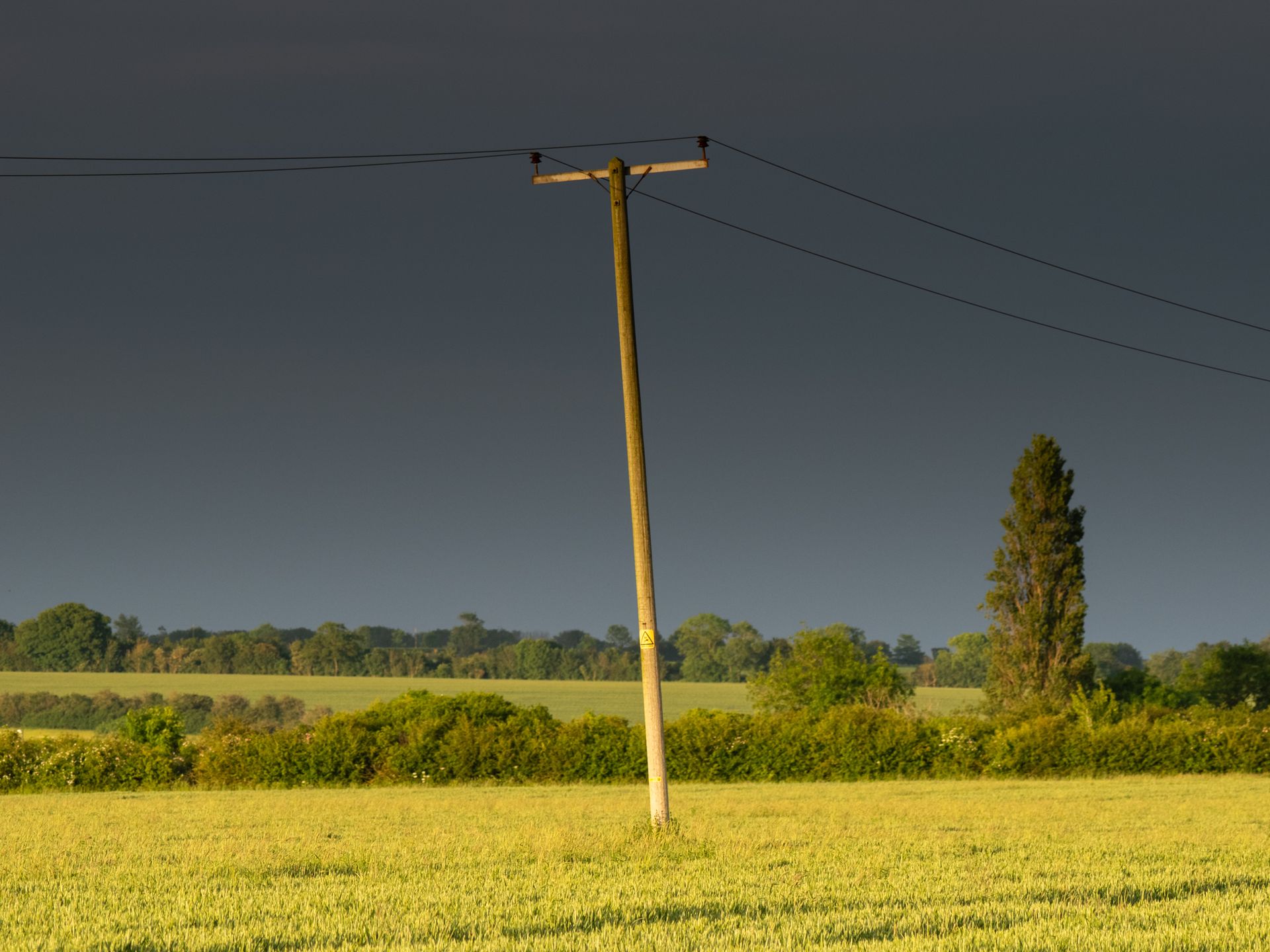
✅ You want value for action photography: A stacked sensor, subject detection AF, and wildlife photography-friendly MFT format make this an outright action camera.
✅ You don't want to be weighed down with kit: A like-for-like full-frame system will likely be twice the size, weight, and price.
❌ You want high-resolution images: These days, 20MP in a photography-centric flagship camera with this price tag is modest.
❌ You want the best single-shot image quality: The OM-1 II's multi-shot computational workarounds are good for specific scenarios, but they can’t be used for everything.
Rugged and lightweight, the OM System OM-1 II is a compelling alternative for photographers who prioritize size, versatility, and a fun handheld experience. Thanks to its stacked Micro Four Thirds sensor and a speedy TruePix X processor, the OM-1 II performed superbly in most of our tests, especially in wildlife photography. It has a swathe of subject detection modes, and you'd struggle to find a more capable autofocus system for bird photography. It also benefits from unique computational photography modes that are the best you'll find outside a smartphone, which go some way to compensating for its smaller sensor.
It's not all good news, though. This second-gen model is but a mere refresh of the now cheaper OM-1; we think its updates could have been added to the OM-1 by a firmware update rather than making a new, pricier model. The MFT sensor and 20MP resolution are modest for a camera at this price, with low-light image quality not quite up to the level of full-frame rivals.
If you can overlook those drawbacks, then the OM-1 II (and its huge range of Micro Four Thirds lenses) will make a fine companion. Quite simply, it's one of the most enjoyable cameras you can buy.
Read our in-depth OM System OM-1 II review
Top alternatives...
- Panasonic Lumix G9 II – The underrated G9 II packs more pixels than the OM-1 II, has stellar stabilization and autofocus, plus better video skills.
- OM System OM-3 – one for the style-conscious, the OM-3 has much of the same specs as the OM-1 II, but with a few cutbacks.
The best premium compact

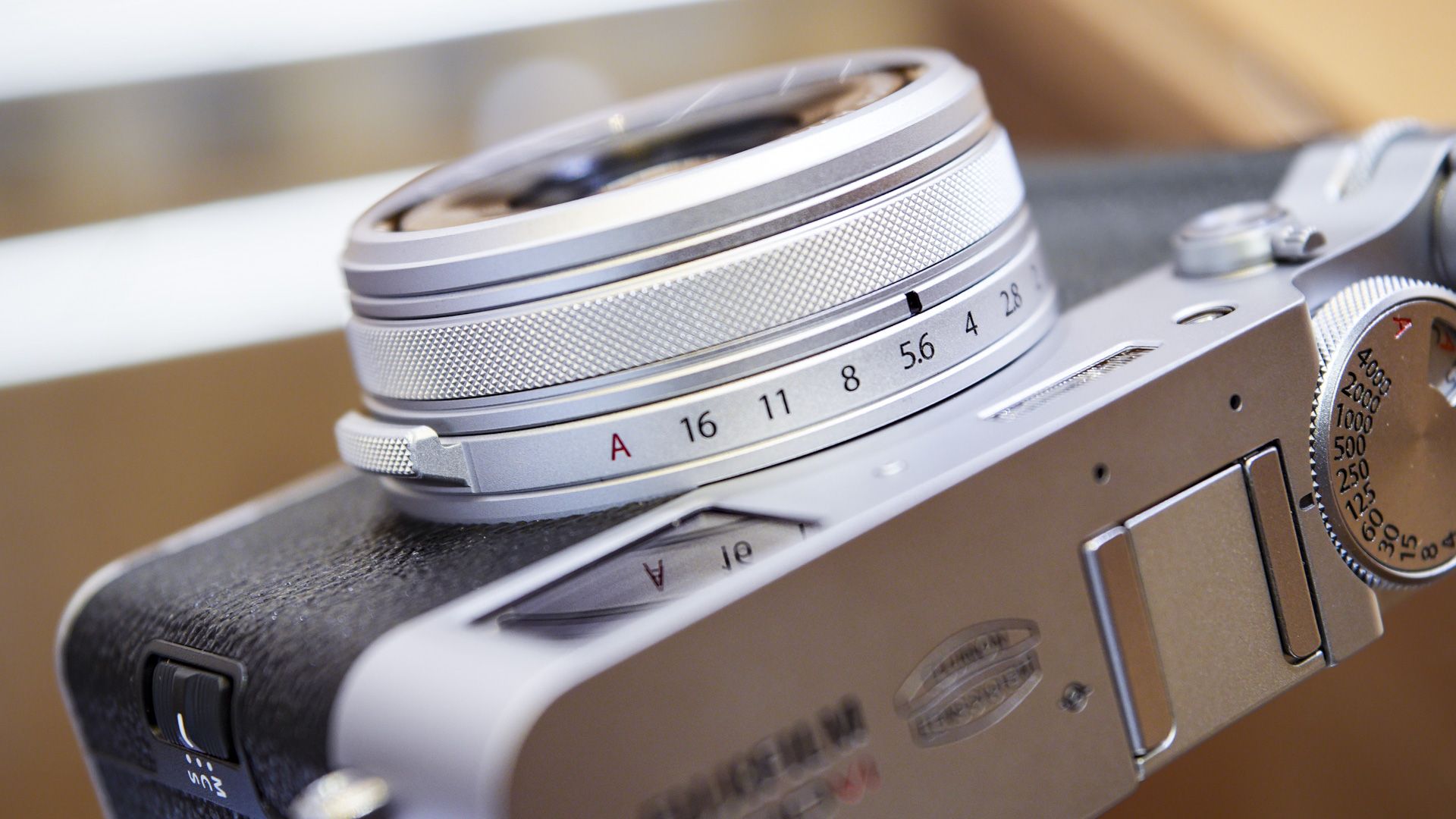
Fujifilm X100VI sample images





✅ You want a stylish snapper: From its body design to its exposure dials, the X100VI is packed with retro appeal.
✅ You want a unique shooting experience: If you haven't used the X100VI's hybrid viewfinder, try it and thank us later.
❌ You want a wide perspective: The fixed 35mm lens is slightly tighter than your smartphone's camera. If you want to fit more in the shot, you'll have to take a few steps back.
❌ You want flexibility: As a fixed-lens compact, you can't zoom in or out for a different field of view from its 23mm focal length, although with more pixels you can crop in.
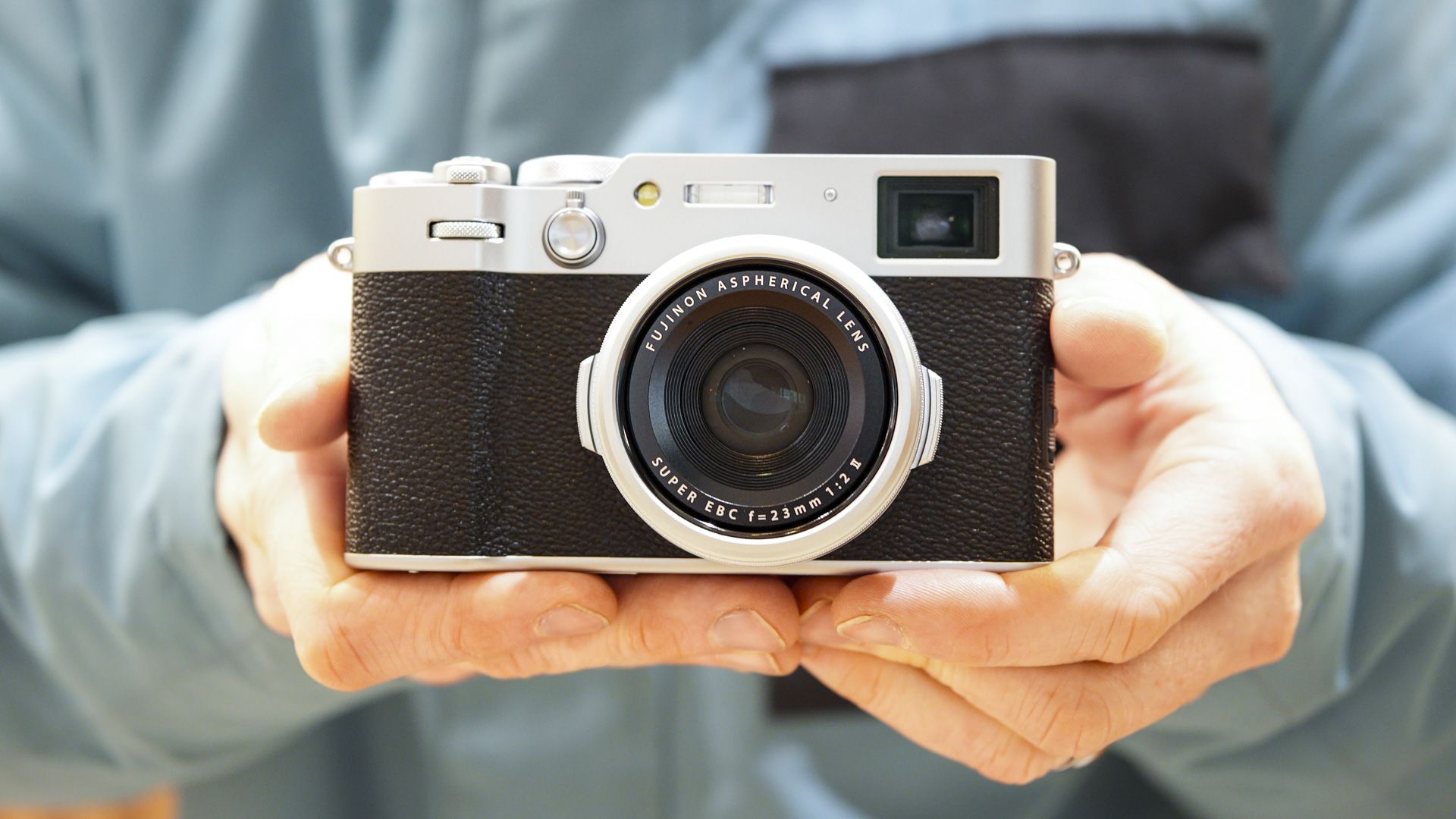
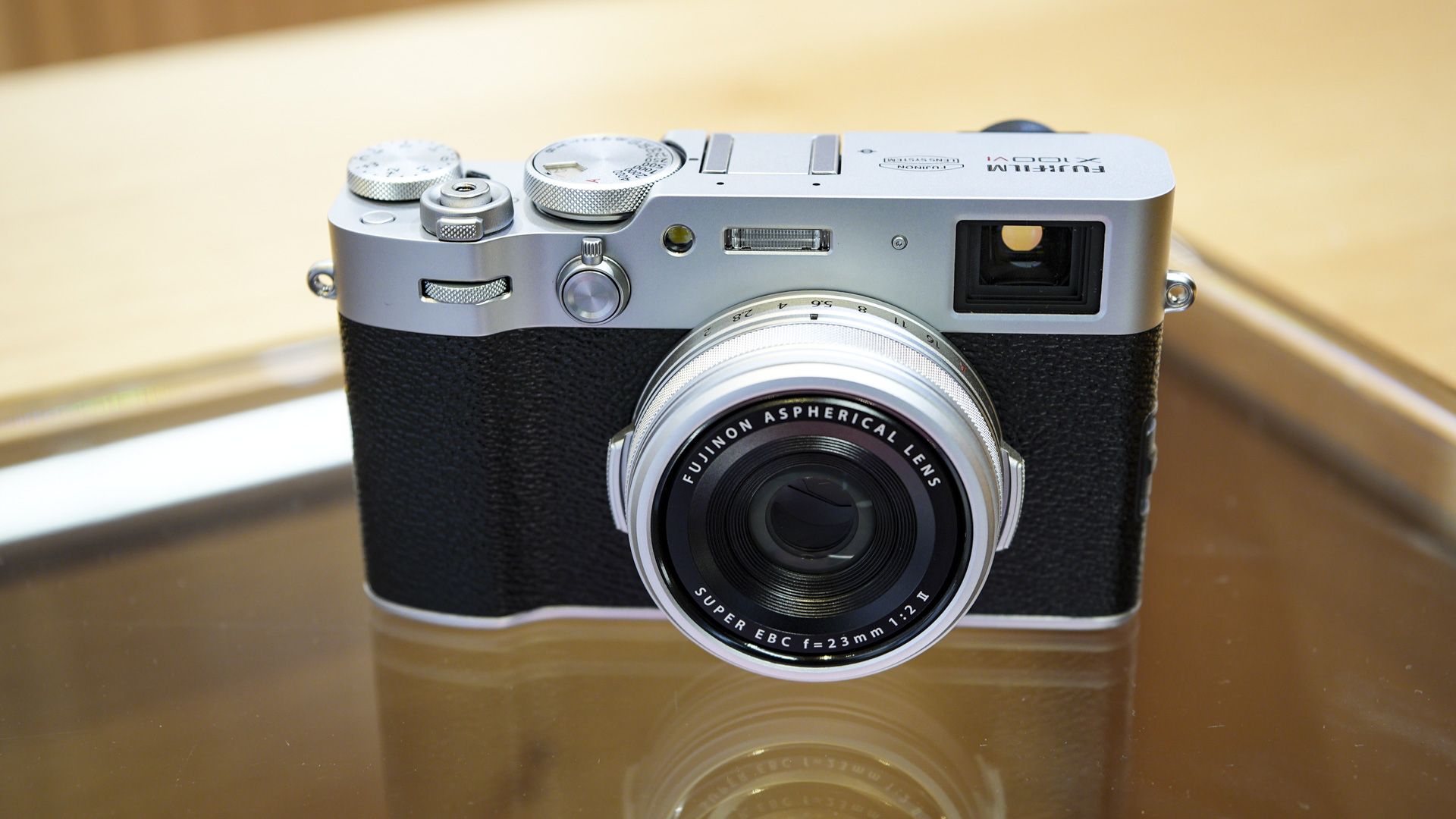
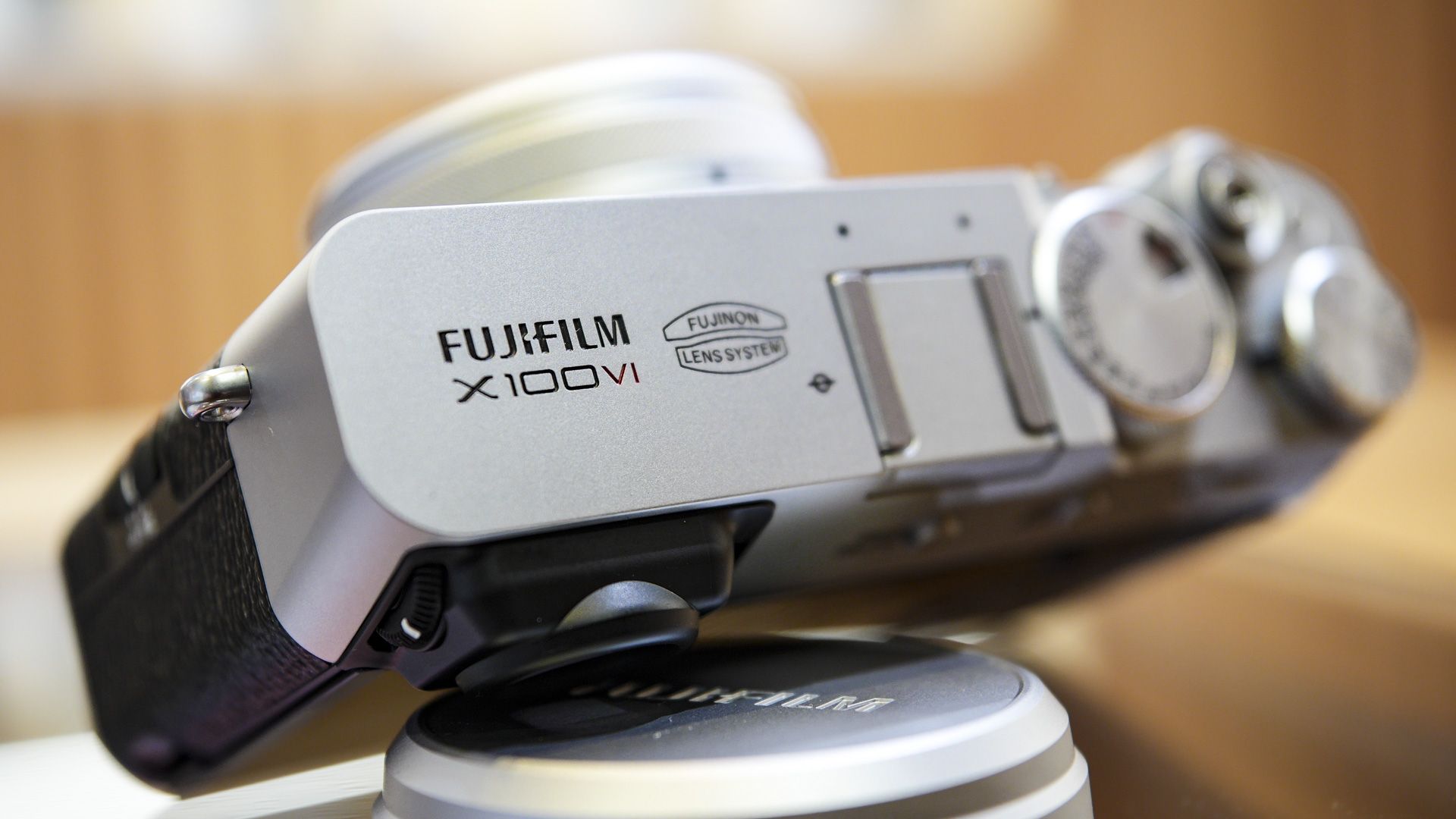
If you want the best compact camera for photography, we think the Fujifilm X100VI is the top choice for most people. The latest model is nearly identical to the Fujifilm X100V, with its retro style, fixed 23mm f/2 lens, and pocket-friendly design, while its hybrid viewfinder remains, and we absolutely love it – you have to give it a spin. It's the inside where the big improvements have been made: the X100VI boosts resolution to 40MP, plus it adds in-body image stabilization for the first time in the X100 series – arguably the most needed feature for this street photography camera. You also get Fujifilm's best autofocus, borrowed from the Fujifilm X-T5.
You might not need the increased pixel count because the X100V's 26MP is plenty enough for most people. However, the extra resolution offers greater flexibility for cropping into your pictures. The X100VI is also a more capable filmmaking tool, armed with 6.2K 10-bit video. It's not a perfect camera: we think Fujifilm should have implemented a new 28mm lens, while there's only one UHS-I SD card slot, and you still need an adaptor for full weather-proofing. It's also a pricier camera than the X100V. However, we think the X100VI is Fujifilm's most compelling camera and the best premium compact for everyday use.
Read our in-depth Fujifilm X100VI review
Top alternatives...
- Panasonic Lumix L10 – The Lumix L10 is versatile and stylish, with a sharp zoom lens, reliable autofocus, and a bigger and better battery life.
- Ricoh GR IV – The GR IV can't match the same outright quality or performance as the X100VI, but the body is genuinely pocketable.
The best value camera for photography
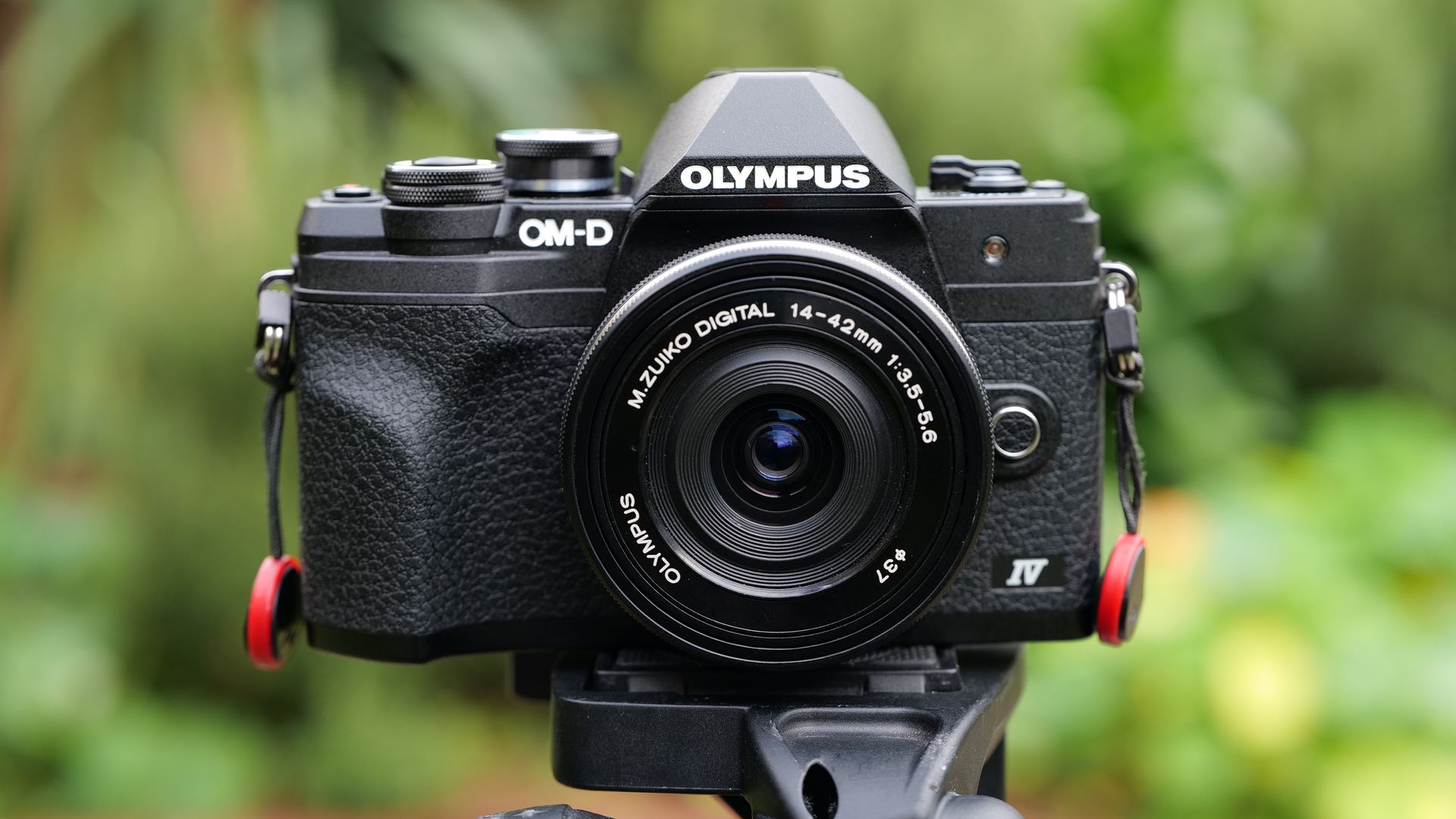
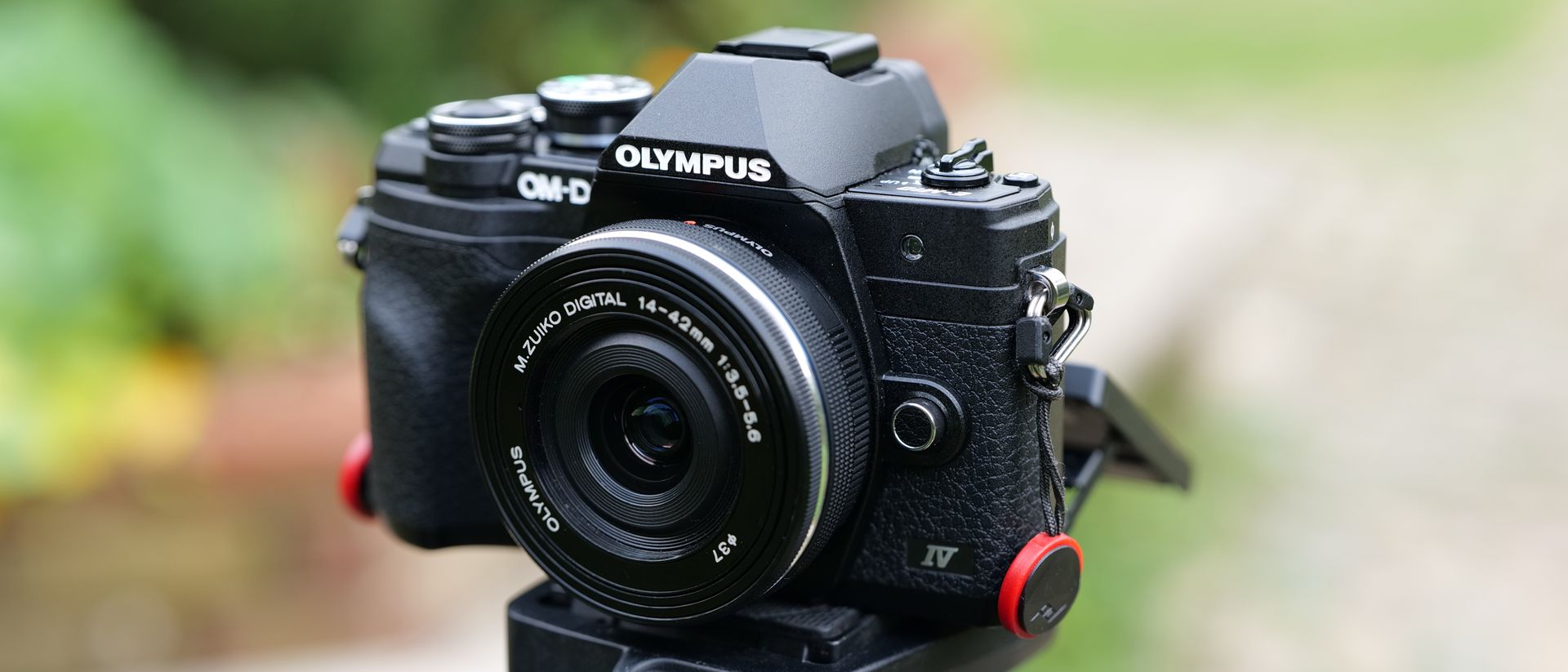
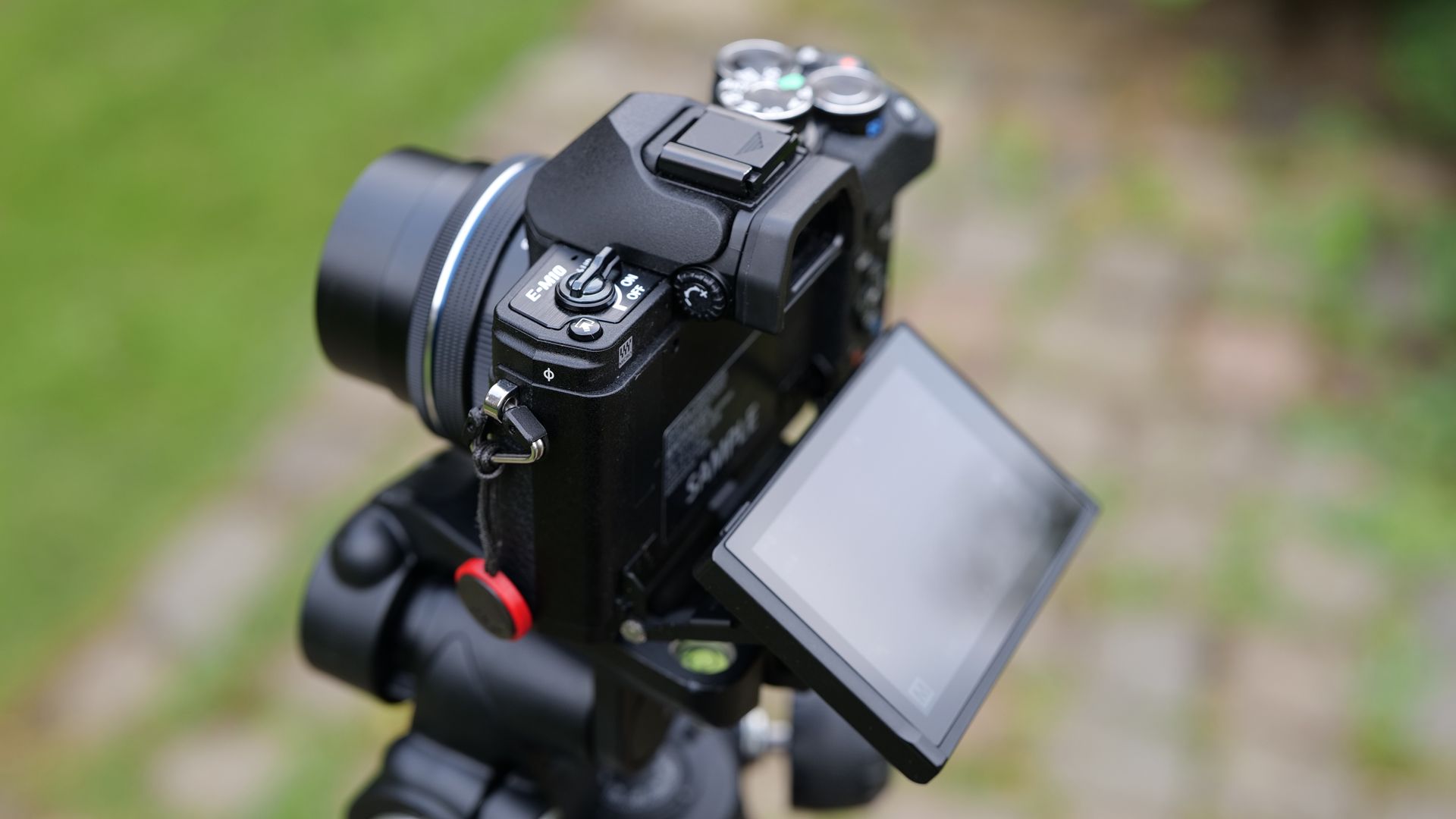
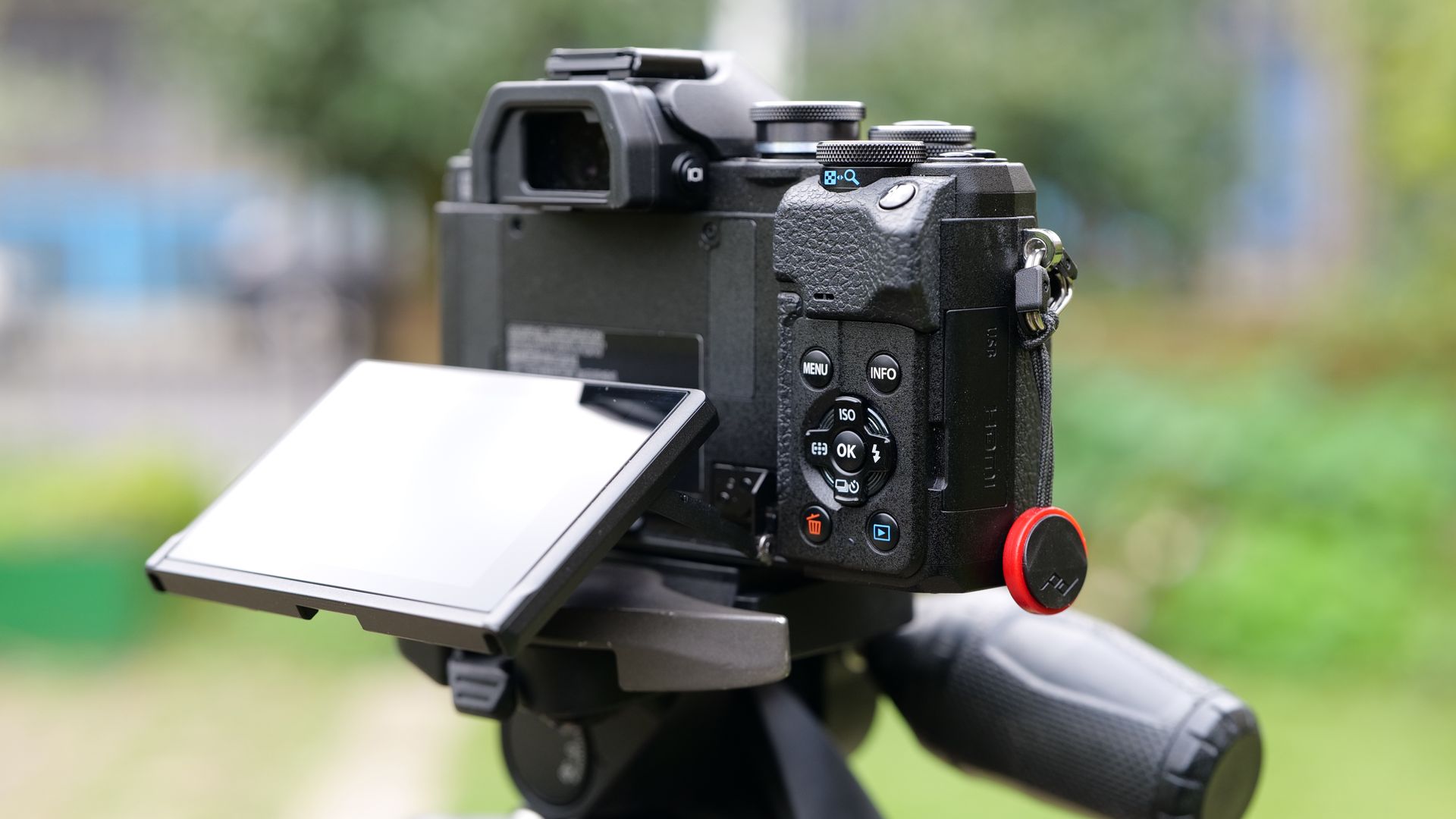
Olympus OM-D E-M10 Mark IV sample images





✅ You want a compact, capable camera: Small but mighty, the E-M10 Mark IV offers a lot of features in compact packaging.
✅ You like to shoot handheld: Impressive in-body image stabilization helps to keep images sharp even when shooting at 1/8th of a second.
❌ You’re a videographer: While the E-M10 Mark IV can produce impressive video, its feature set isn’t geared towards vlogging.
❌ You want a cutting-edge camera: Missing features such as phase detection autofocus, the E-M10 Mark IV is a step behind its rivals.
It isn’t the latest Micro Four Thirds model on the market, but if you want a travel-friendly option for shooting impressive stills, we think the Olympus OM-D E-M10 Mark IV represents fantastic value. The result of careful refinement over several generations, the Mark IV offers a generous feature set and works with hundreds of affordable lenses. In our review, we noted that its 20MP sensor enables the Mark IV to capture greater dynamic range than smartphones and compact cameras.
We were also very impressed in testing with its five-axis in-body image stabilization, which gives it the edge over rivals like the Fujifilm X-T200 when shooting handheld. Its button layout makes it an approachable camera for beginners, as does the 3-inch touchscreen. Video limitations – such as t...


