For all the doom and gloom surrounding the RAM crisis and rising product prices, 2026 has been a year of genuine innovation in the smartphone industry.
Honor put a mechanical gimbal in the Honor Robot Phone; Apple finally embraced the foldable form factor with the iPhone Duo; and now, Xiaomi has plonked a 2.9-inch OLED display onto the back of the Xiaomi 18 Pro Max.
This rear touchscreen might seem like the year’s biggest gimmick (and I won’t pretend it’s totally devoid of gimmickry), but Xiaomi has made sure to give the feature — which made its debut on the China-only Xiaomi 17 Pro in 2025 — real utility straight out of the box.
Officially called the Back Display, the Xiaomi 18 Pro’s rear screen can double as a viewfinder for the main camera, show app notifications and messages, and display live activities from supported apps, including Google Maps, YouTube Music, and Spotify.
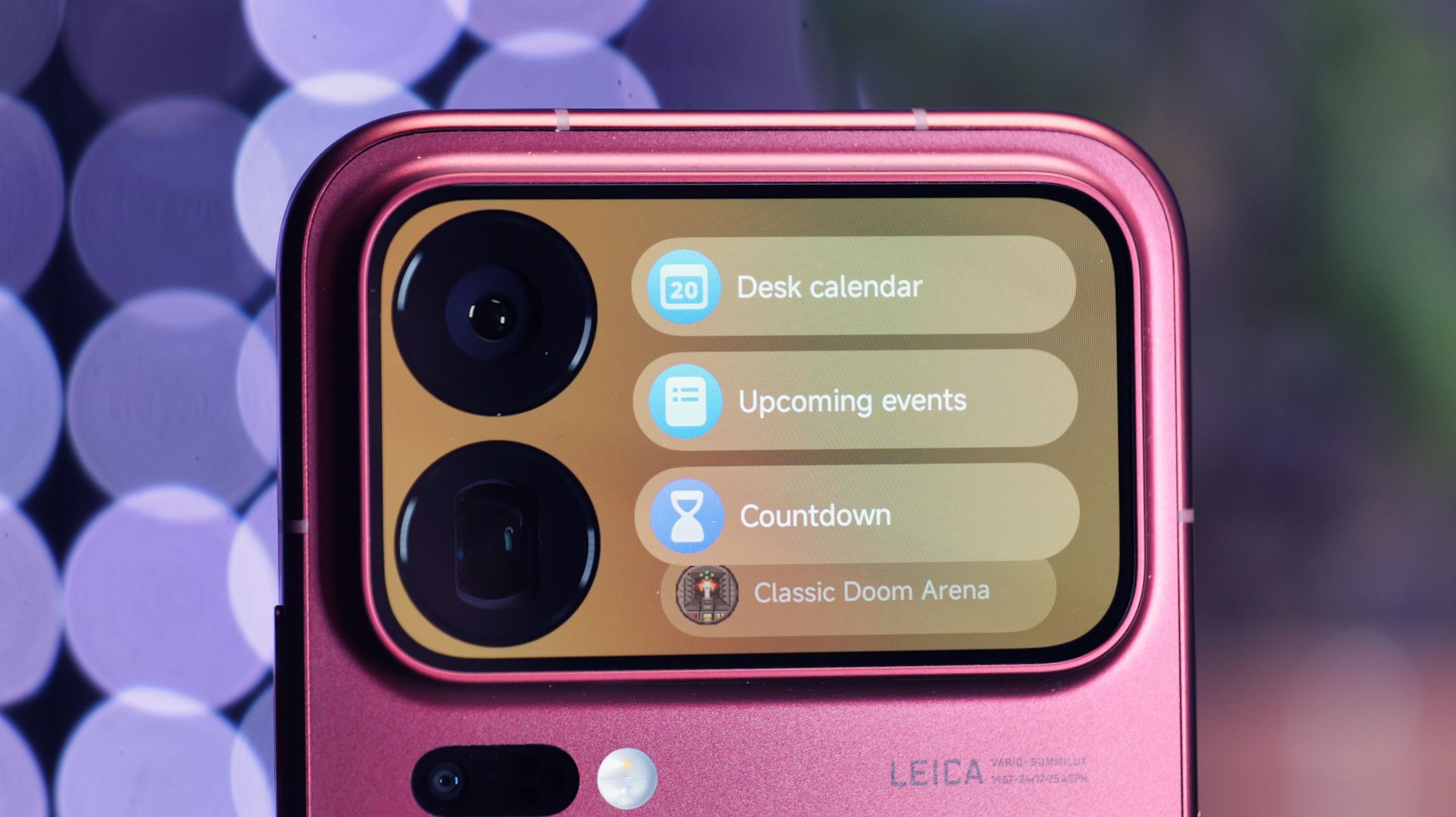
It’s built with the same screen technology as the Xiaomi 18 Pro’s main display, meaning it boasts a 4,000-nit peak brightness and a dynamic 1-120Hz refresh rate. And it’s topped with Corning Gorilla Glass Victus 2 for protection against reasonable drops and scratches.
But the Back Display doesn’t behave exactly like the main display; as we noted in our review, it’s more like a smartwatch interface when not in use. By default, you’ll see the time and notifications when your phone is face-down, or, as mentioned, live activities from the likes of Spotify and YouTube Music if you’re using your Xiaomi 18 Pro Max as a speaker.
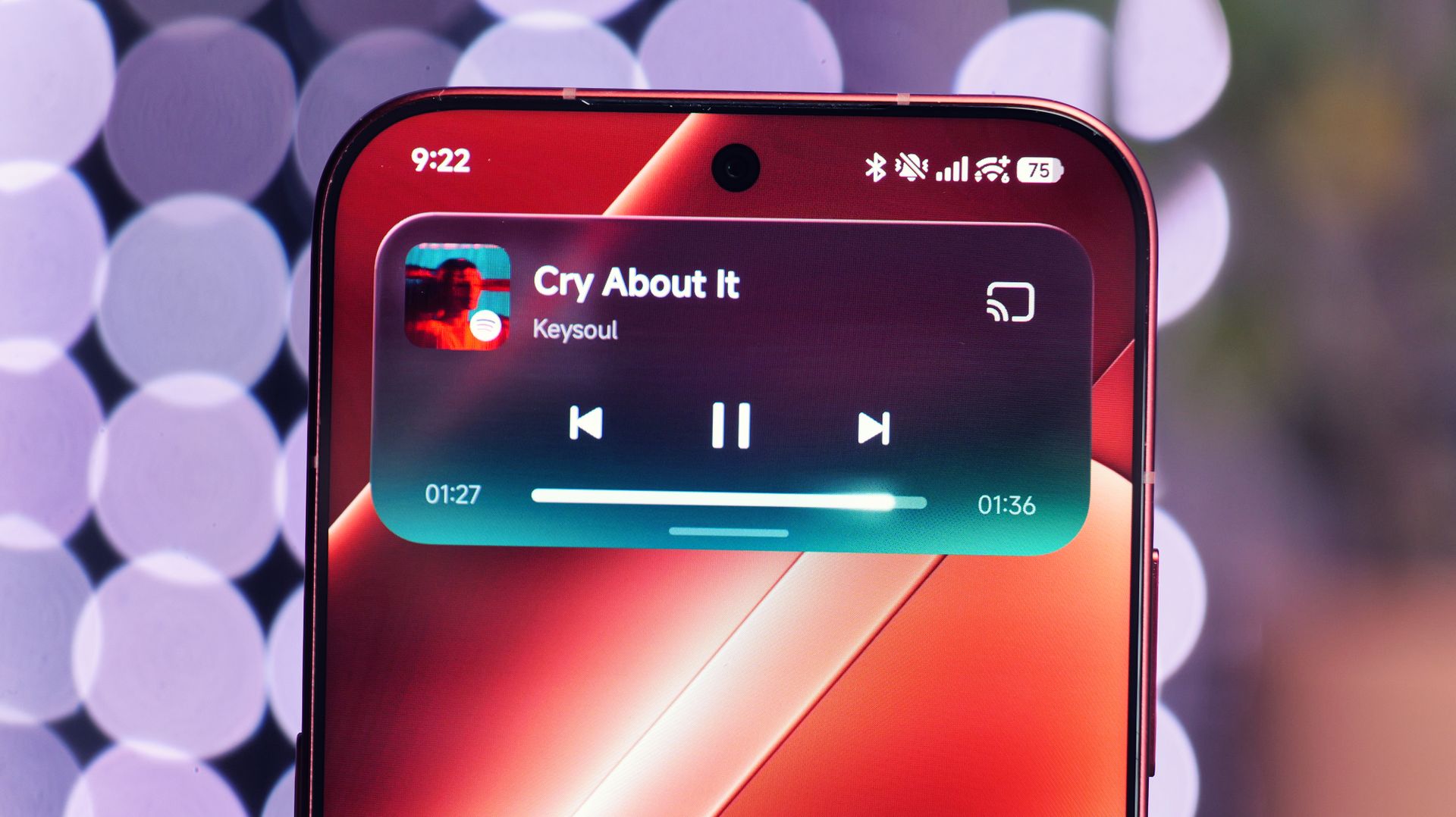
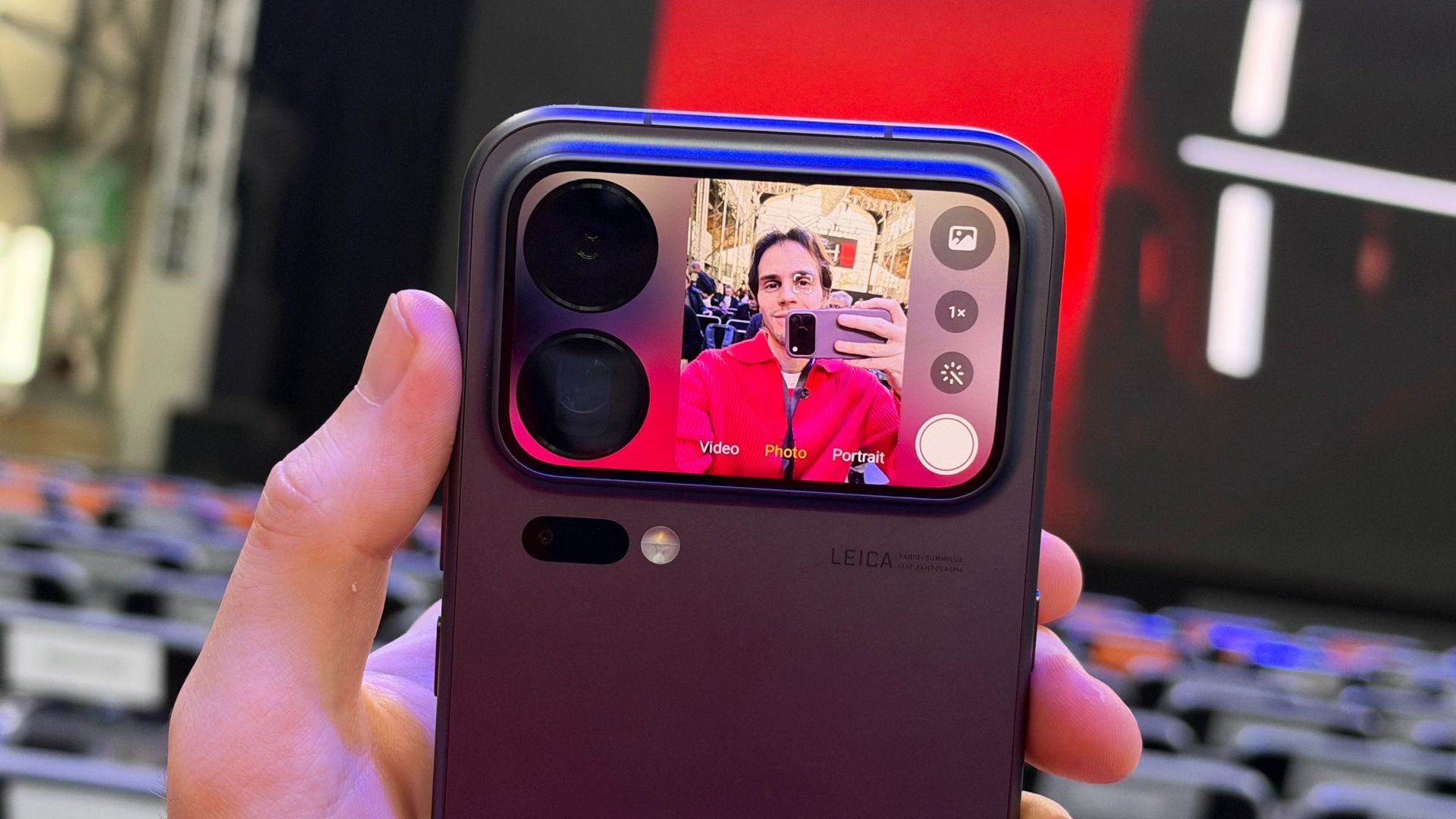
These aspects of the Back Display aren’t particularly exciting to me — on the rare occasions I do leave my phone face down, I’m content with turning it over to see my notifications or pause my music. But the Back Display’s viewfinder functionality is genuinely useful.
Having a screen on the back of the Xiaomi 18 Pro Max lets you frame up selfies using its 200MP main, 200MP telephoto, or 50MP ultra-wide camera instead of its 50MP front-facing camera. This seems like a small thing, but it’s a genuine boon for snapping higher-quality selfies — as anyone who owns one of the best foldable phones will appreciate — and it’s also useful for giving your portrait subjects a real-time idea of what they look like on camera.
Then there’s the new GenAI Apps feature, which essentially brings vibe coding functionality to the Xiaomi 18 Pro and 18 Pro Max. Powered by Gemini 4 Argon, it lets you type in whatever app or mini-game you want using natural language, and the AI takes its best shot at making that request a reality.
I’ll admit it: I didn’t care much for this feature when hearing about it for the first time. I expected GenAI Apps to either not work at all, or generate apps with little to no value. But to my surprise, I’ve been able to create some genuinely cool apps and mini-games for my Xiaomi 18 Pro Max’s Back Display.
In addition to the Fruit Slice, Colourful Piano, and Retro Bowling games I downloaded for the Back Display at Xiaomi’s suggestion, I used GenAI Apps to generate my own coin-flipping game and even a Doom- and Wolfenstein-inspired first-person shooter.
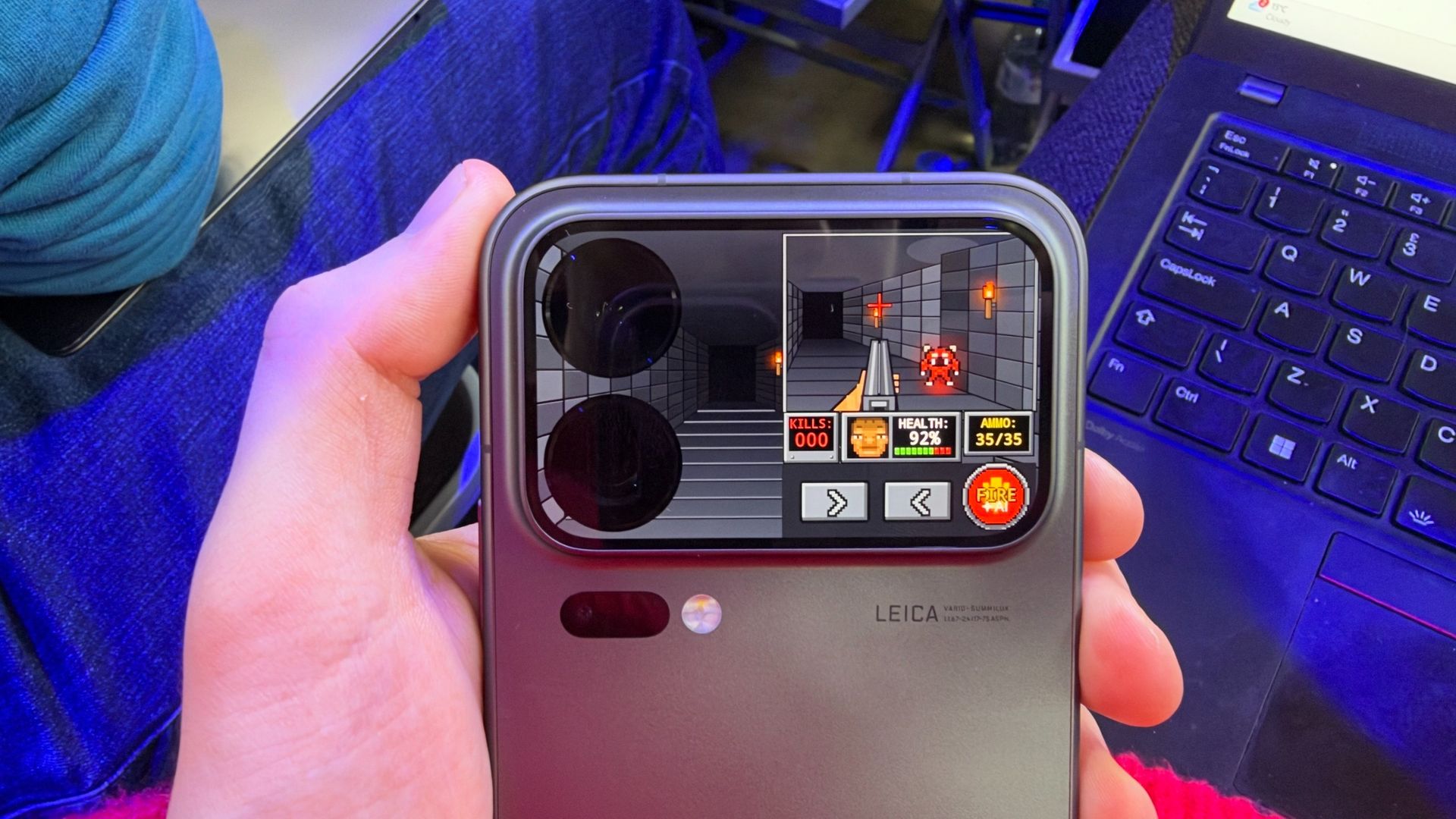
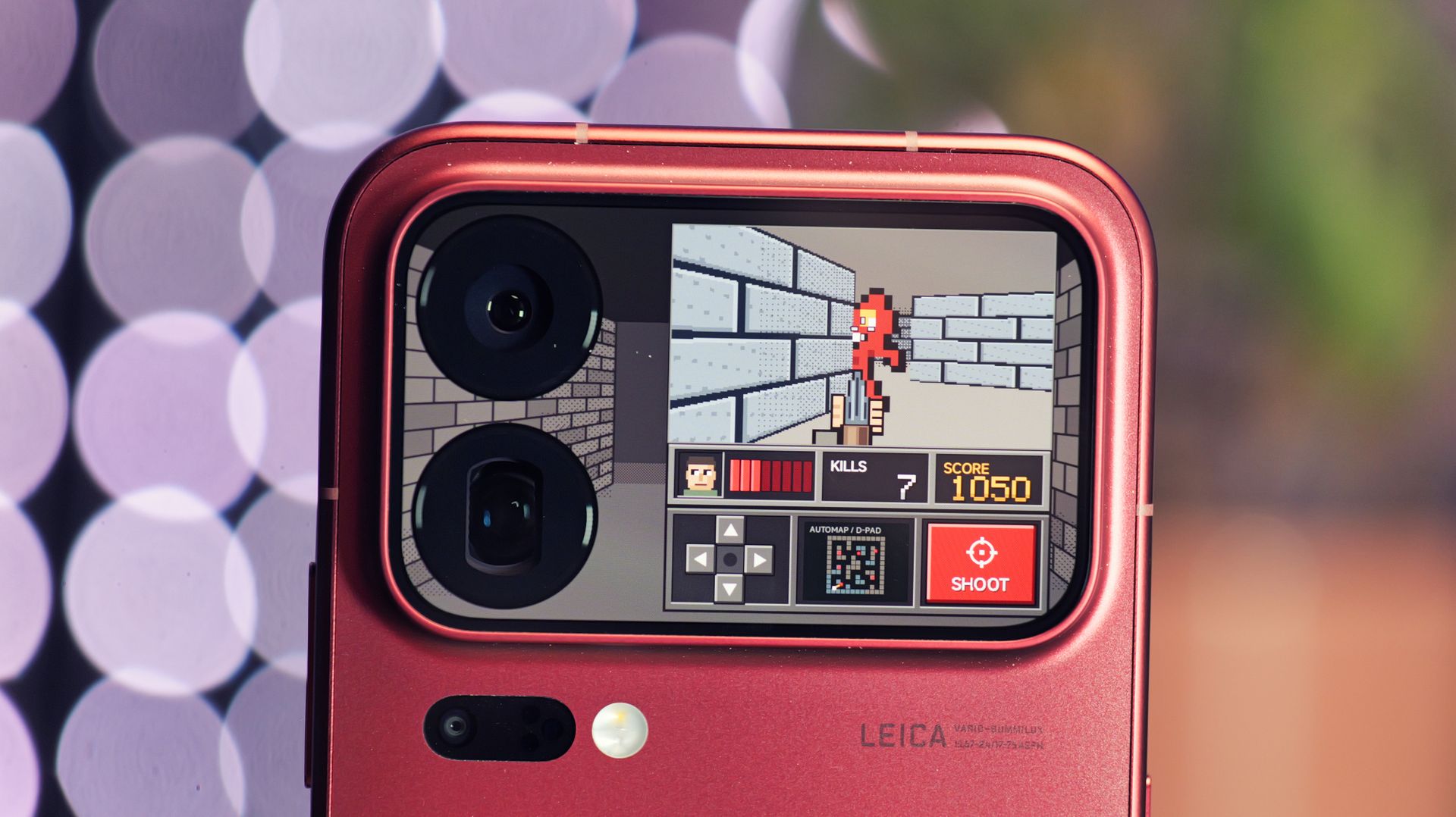
My colleague, Luke, generated a similar game for his Xiaomi 18 Pro Max review (as well as a dice roller for D&D), and his version is a little better than mine — you can actually move through the game, whereas my version has me stuck in one position, moving left and right as enemies come towards me. It’s quite cool, though, that the AI serves up different results with each prompt, even if the prompts are similar.
Again, I’m not sure how practical this GenAI Apps feature is, or indeed how much I’d use it once the initial novelty wears off. But it is downright amazing that you can play retro mini-games on the back of your smartphone in 2026.
As for the security of GenAI Apps, Xiaomi's Senior Product Marketing Manager, Terrence Xiao, told me: “We’re going with a very limited amount of accessibility options in terms of what the Back Display apps can get into on the [main] phone. Right now, they're not capable of, for example, accessing the internet, and they also cannot access third-party apps, as well as most first-party apps.
“This is something we’re monitoring very closely as we roll out and develop the feature — it may change in the future — but that is the current situation for GenAI Apps, specifically for [data protection] reasons.”
The Xiaomi 18 Pro starts at £1,199 / AU$1,799, while the Xiaomi 18 Pro Max starts at £1,399 / AU$1,999. Both models come with 12GB of RAM and 256GB of storage, and are available to order now in the UK. Neither model is available in the US.