AI & ML
Two stage GNSS outlier detection for factor graph optimization based GNSS-RTK/INS/odometer fusion
arXiv cs.RO0 views
arXiv:2510.00524v2 Announce Type: replace Abstract: GNSS pseudorange outliers severely disturb carrier-phase ambiguity resolution and positioning, particularly during signal blockages and recovery. Temporal Doppler consistency provides a reliable short-term range-change reference, but requires valid measurements at both endpoints and becomes unavailable upon signal re-acquisition. This paper presents a two-stage pseudorange screening framework that complements Doppler consistency with joint IMU-odometer motion prediction. The second stage compares predicted and measured temporal changes of double-differenced pseudoranges against an accepted anchor epoch without using current GNSS observations in the motion reference. A first-order error model separates anchor, relative-motion, and measurement uncertainties to propagate factor-graph covariance into the chi-square detection gate, and both stages adjust code weights through a closed-form minimum-inflation rule. Under continuous tracking, Doppler screening reduces RTK 3D RMSE by 96.18% and outperforms the a-contrario baseline by 58.56%. When Doppler checks are unavailable, joint IMU-odometer prediction detects a 10-m outlier change in 99.58% of trials after 30 s and 73.72% after 60 s, reducing RIO 3D RMSE by up to 78.51% after outages while RI screening outperforms an inertial-aided baseline by 70.42% in simulation and 39.11% in deep urban canyons.
Source:https://arxiv.org/abs/2510.00524PreviousAgriChrono: A Longitudinal Dataset and Benchmark for Novel-View Synthesis of Field-Grown CropsNextLearning Latent Volumetric Dynamics for Multimodal Goal-Conditioned Robot Manipulation of Hair
Related posts

Mobile Manipulation Software and Operations — Ch.09: MLOps [EN]
0dev.to Programming

Mobile Manipulation Software and Operations — Ch.02: MoveIt2 [EN]
0dev.to Programming

Five of my most-read catalog pages 404 because of a hyphen I never chose
0dev.to Database
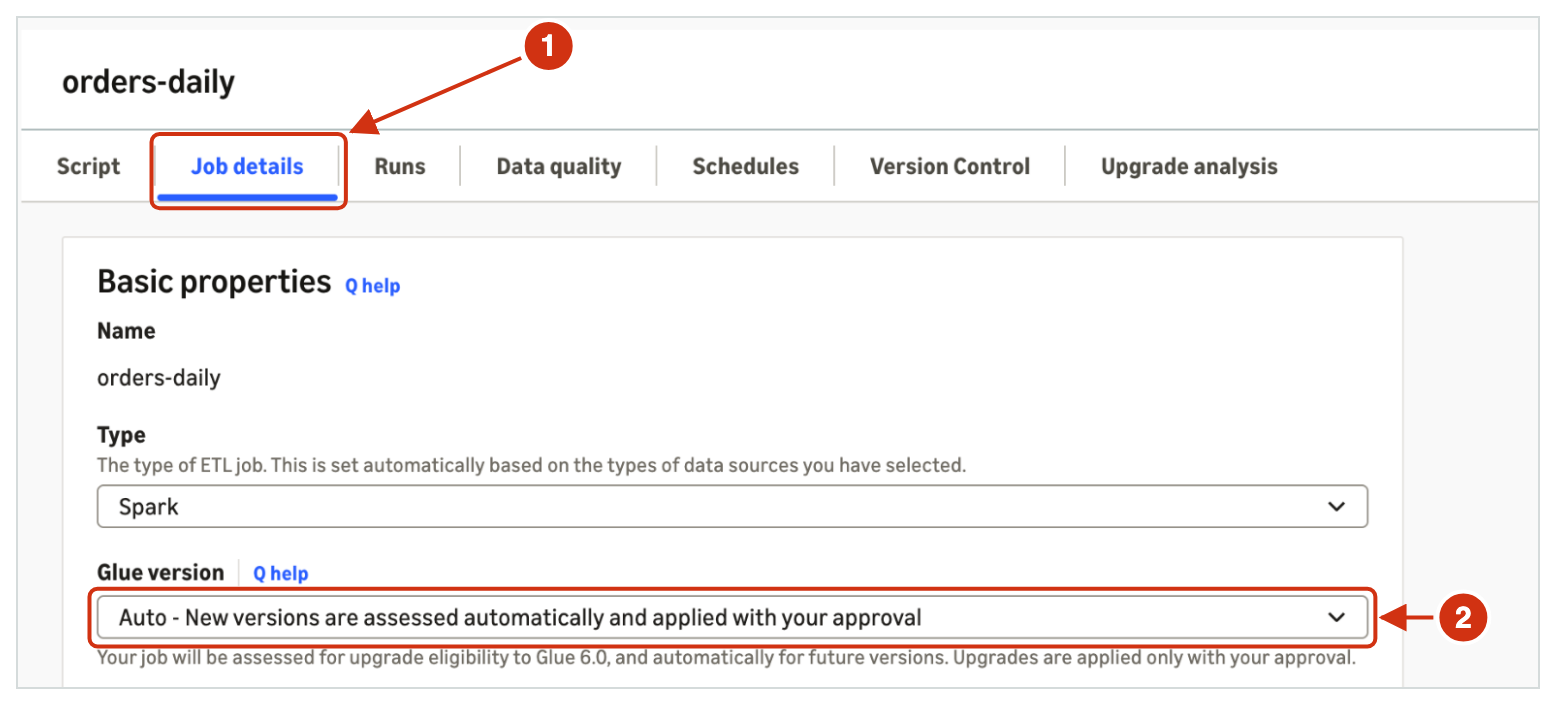
Introducing automatic version upgrades for AWS Glue jobs
0AWS Big Data Blog
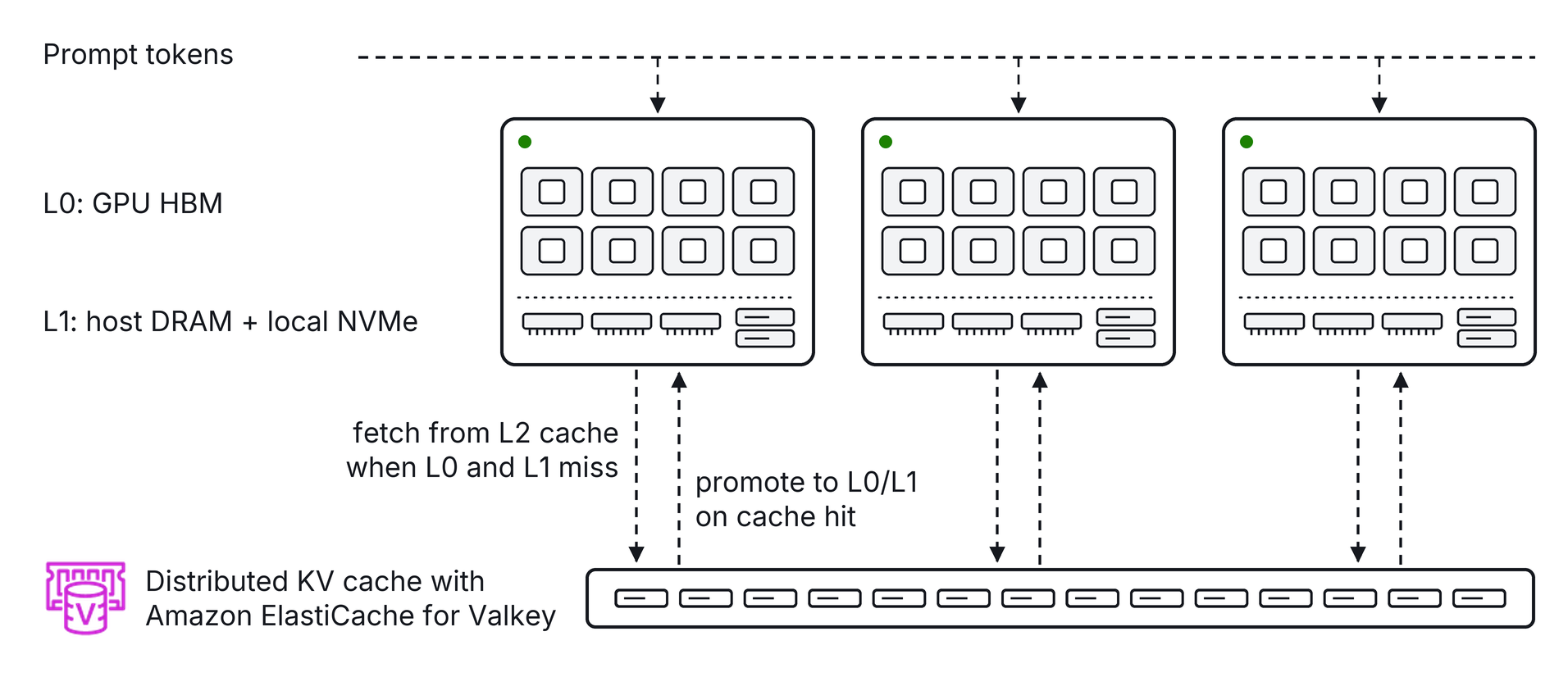
Announcing distributed KV caching for self-hosted LLMs with Amazon ElastiCache
0AWS Database Blog

Exa boosts embedding throughput by 50% to index billions of documents on AWS AI chips
0AWS Machine Learning Blog