
- Texas Governor-elect wants more protections against AI expansion
- Gina Hinojosa says AI firms are ‘taking advantage of Texas’
- Communities must ‘have a seat at the table’ in AI discussions, Hinojosa says
Texas has long been one of the most data center-friendly locations in the US, with new facilities springing up at a tremendous rate of knots over the last few years. But with mounting public opposition and a so-called “blue tsunami” in the US mid-term elections, that could be about to change, with the state’s incoming Governor-elect warning that there will be a new game in town for the massive AI firms that have outsourced operations to Texas.
Speaking during an interview with CNN’s Jake Tapper, Texas Governor-elect Gina Hinojosa said that any work with AI companies “has to be a partnership that benefits Texans. And right now, what has happened is that data centers have moved into mostly rural communities and there are no rules and laws to protect Texans. And Texans are being taken advantage of.”
Hinojosa promised to introduce laws to reverse that situation in the state’s dealings with AI outfits, adding that “we need to stop what we are doing with data centers until we have those protections.” One of those changes, Hinojosa suggested, was to ensure that “communities have a seat at the table to decide if and how these data centers come into their communities.”
“We need to make sure they are partners in this effort,” she continued. “ It is not that I hate data centers. I hate the way they are taking advantage of Texas, and that stops when I’m Governor.”
Data center free-for-all
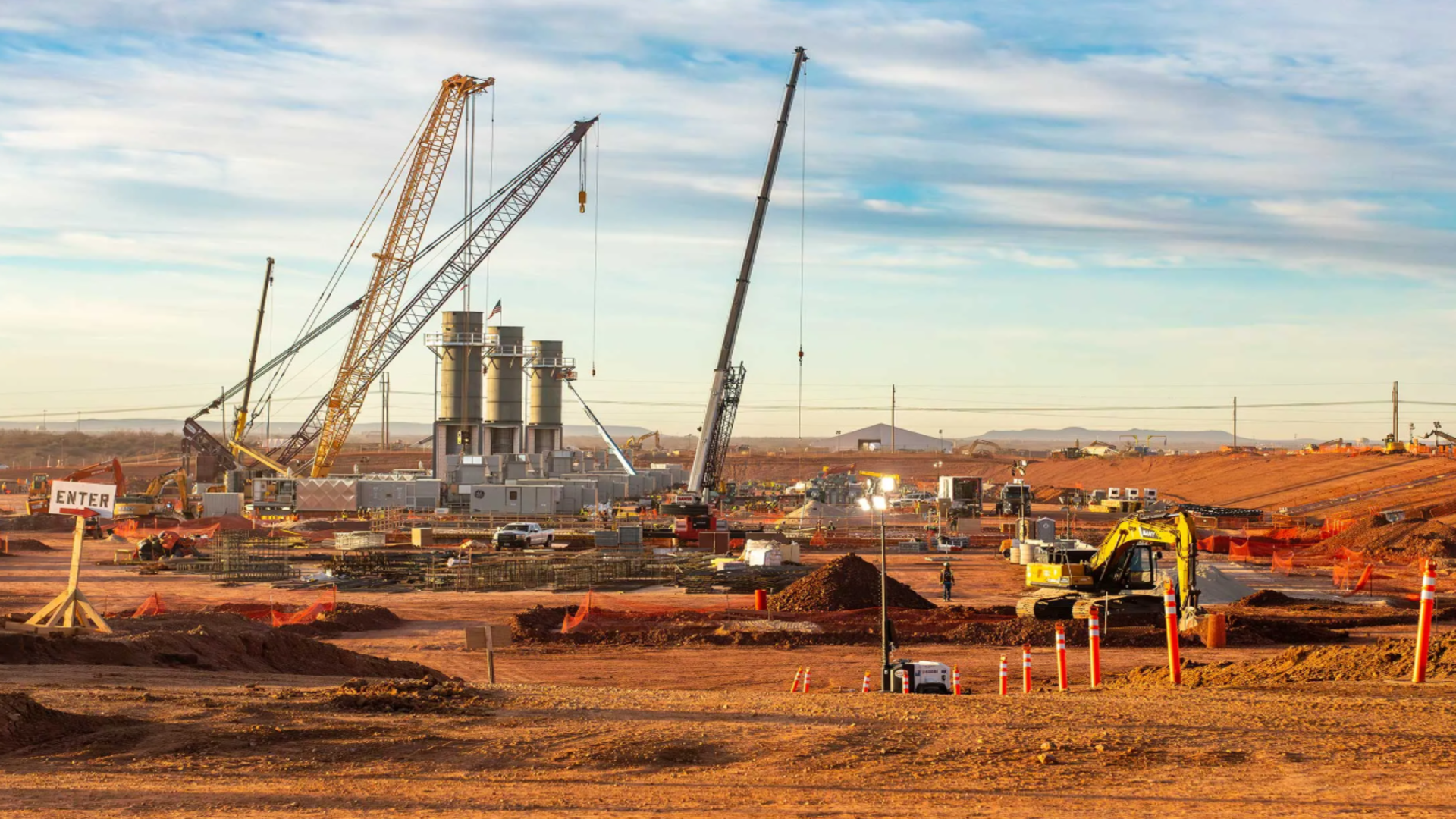
Hinojosa campaigned on the promise of a temporary data center moratorium in Texas. Her stance seems popular with residents of the Lone Star State, with a CNN poll showing that 75% of respondents in Texas opposed building data centers near where they lived.
Hinojosa is far from alone in her opposition to the expansion of data centers throughout the US, and many Democratic candidates who were victorious in the US mid-term elections campaigned on similar opposition to the facilities — as did some Republicans.
This could raise questions about AI companies’ future plans, with several of the biggest names previously planning to build data centers that could face stiff opposition from elected officials. For example, Anthropic noted in its recent IPO filings that the supply chain for its data center infrastructure is highly complex and any “delays or failures” along the way could significantly impact the company.
It’s not entirely clear what shape Hinojosa’s new approach to data centers could take. But from her statements so far, it looks like the expansion free-for-all that has affected Texas — and many other communities across the US — could be coming to an end.


